
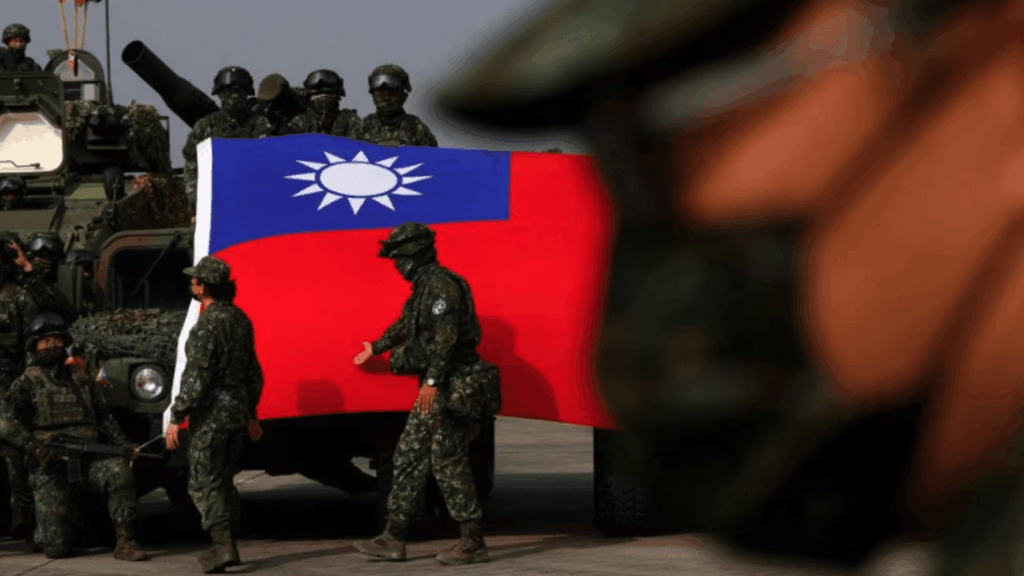
Taiwan defense spending is set for a major boost, as the Taiwanese government plans to propose an additional $40 billion to strengthen its military capabilities over the next eight years. Taiwanese President Lai Ching-te aims to fortify the nation’s defenses against a potential Chinese invasion, which has become increasingly pertinent given the ongoing military pressure from Beijing. This strategic move aligns with the United States’ encouragement for Taiwan to bolster its self-defense mechanisms, particularly by 2027. A key feature of this expanded Taiwan military budget is the development of the advanced “T-Dome” air defense system, designed to shield the island from possible missile threats. With these initiatives, Taiwan is taking significant steps to ensure national security and safeguard its democratic values amid rising geopolitical tensions in the region.
The proposed increase in military funding, often referred to as Taiwan’s military budget, signals a pivotal shift in the island’s approach to defense and security. As the threat of a Chinese invasion looms larger, Taiwan’s leadership, spearheaded by Lai Ching-te, is prioritizing the establishment of robust deterrence mechanisms like the T-Dome air defense system. This initiative is part of a broader strategy to enhance Taiwan’s self-defense capabilities and maintain regional stability. Amid rising tensions and the dynamics of international diplomacy, particularly with the United States and Japan, Taiwan’s focus on its defensive posture reflects a serious commitment to national security. Addressing these challenges effectively requires not only financial investment but also political consensus within the legislature.
Strengthening Taiwan’s Defense Spendings
Taiwan’s proposed increase in defense spending by an additional $40 billion marks a significant shift in military strategy, reflecting the growing concern over regional security threats. As President Lai Ching-te articulated, this initiative is part of a comprehensive ‘Action Plan for the Safeguarding of Taiwanese Democracy and National Security.’ The focus on enhancing Taiwan’s military capabilities is directly tied to the desire to deter any potential Chinese invasion, which has become a pressing issue as Beijing exhibits increased aggressiveness in the Taiwan Strait.
Investing heavily in the military not only aims to boost Taiwan’s self-defense capabilities but also serves as a crucial message to both domestic and international audiences regarding Taiwan’s commitment to its sovereignty. The proposed financial allocation will allow for advancements in technology and military infrastructure, including the establishment of the T-Dome air defense system, which is essential for intercepting and neutralizing aerial threats from Chinese missile systems. This strategic enhancement of the Taiwan military budget underscores the urgency of addressing potential aggressions and fortifying national defense.
The Role of T-Dome Air Defense System in Taiwan’s Strategy
One of the cornerstone components of Taiwan’s defense strategy is the anticipated implementation of the T-Dome air defense system. This multi-layered defense framework is designed to provide an effective deterrent against the increasing threat posed by Chinese missile capabilities. As President Lai emphasized, the evolution of Taiwan’s defense mechanisms must keep pace with advancements in regional military technology to ensure operational readiness by 2027. The T-Dome system represents a significant technological leap, aiming for comprehensive coverage that can engage various aerial threats effectively.
The integration of the T-Dome air defense system into Taiwan’s military budget reflects a broader strategic aim not just to counter potential military aggression but to reassure the Taiwanese populace of their government’s commitment to protecting national security. Furthermore, its development comes at a time when external diplomatic pressures are intensifying, particularly in light of Japan’s interest in potentially intervening in Taiwan’s defense scenarios as voiced by Prime Minister Sanae Takaichi. This heightened focus on multi-tiered defense systems could prove crucial in fostering stability in a volatile regional environment.
Challenges in Parliamentary Approval for Defense Budget
While the proposed increase in Taiwan’s defense spending is ambitious, garnering parliamentary approval presents a significant hurdle for President Lai Ching-te. The Taiwanese legislative environment is known for its divisive political climate, where opposition parties exert considerable influence over budget decisions. As discussions unfold regarding the allocation of an additional $40 billion, the necessity of bipartisan support becomes evident. It’s crucial for Lai to articulate the importance of these measures not just from a military perspective but also in terms of safeguarding democratic values that are increasingly being threatened.
Opposition parties are likely to scrutinize the budget closely, questioning its long-term implications and effectiveness against potential Chinese aggression. Ensuring that the public understands the urgency of enhancing Taiwan’s defense capabilities is essential for Lai’s leadership. Engaging in open dialogues and addressing public concerns regarding national security can help bridge the gap across party lines, ultimately leading to greater support for the military budget aimed at strengthening Taiwan’s defense posture.
Taiwan’s Defense Budget and US Relations
Taiwan’s increased defense spending is not occurring in a vacuum; it has significant implications for the island’s relationship with the United States. Washington has consistently urged Taiwan to bolster its self-defense mechanisms in light of the current geopolitical realities. The proposed $40 billion increase is aligned with US interests in maintaining a balance of power in the Asia-Pacific region, especially in the context of a rising China. Strengthening Taiwan’s military capabilities also serves to enhance the credibility of US commitments in the area.
Moreover, engaging with US defense technology and strategies may provide Taiwan with not only resources but also strategic frameworks that can enhance its military effectiveness. As President Lai asserts the need for higher combat readiness, the collaboration with US forces and defense contractors could pave the way for more advanced military systems and ensure that Taiwan remains a critical ally in counterbalancing the influence of China in the region.
Implications for Regional Security Dynamics
Taiwan’s decision to ramp up its defense spending inevitably affects the broader regional security dynamics within East Asia. As Taiwan strengthens its military capabilities, neighboring countries, particularly China, may respond with heightened military posturing. The strategic arms race initiated by this budget increase will compel all involved parties to reassess their military strategies and defense policies. Taiwan’s focus on developing defense systems like the T-Dome represents a crucial development in balancing power equations in the region.
Furthermore, Taiwan’s enhanced military budget echoes the sentiments of countries in the region that feel threatened by China’s assertive military expansion. Countries like Japan and South Korea are likely to revisit their own defense strategies as Taiwan seeks to establish itself as a formidable deterrent against potential aggression. This interconnected web of regional defense spending could accelerate military modernization across East Asia, leading to increased tensions but also a shared commitment to mutual security in the face of common threats.
Taiwan’s Military Budget: A Time of Transition
The ambitious $40 billion expansion of Taiwan’s military budget reflects a critical moment of transition for national defense policies amid shifting geopolitical landscapes. President Lai Ching-te’s commitment to enhancing Taiwan’s defense reflects not only the urgency of the situation regarding a potential Chinese invasion but also a proactive approach to adapting Taiwan’s military doctrine to meet contemporary threats. As military pressures rise, particularly from China, this budget proposal indicates a transformative approach to Taiwan’s security.
A well-structured defense budget is essential for ensuring that military resources are allocated efficiently and appropriately. This transition period requires reallocating funds towards modernization and creating innovative defense mechanisms that will bolster Taiwan’s military capabilities in the years to come. By emphasizing a strategic increase in defense spending, including projects like the T-Dome air defense system, Taiwan is signaling its resolve to uphold the sovereignty and democratic values vital to its national identity.
Taiwan and the Growing Challenge of Chinese Military Power
The growing challenge posed by Chinese military power necessitates a strong and resilient national defense strategy for Taiwan. The proposed increase in Taiwan’s defense spending underscores the urgent need to counteract the assertive military buildup by China, which has intensified its operations around Taiwan. The Taiwanese government recognizes that a robust military not only acts as a deterrent against possible invasions but also maintains stability and peace in the region.
With President Lai Ching-te leading the charge on increased military funding, the acknowledgment of China’s growing assertiveness is evident in this proactive defense strategy. Taiwan’s approach includes strengthening not only conventional capabilities but also enhancing asymmetrical warfare strategies to deter potential aggressor moves. The significance of crafting a resilient military budget speaks to the need for Taiwan to remain vigilant and capable in the face of mounting challenges.
Public Support for Taiwan’s Increased Military Spending
Gaining public support for the proposed increase in Taiwan’s military spending will be crucial for its successful implementation. The initiative to allocate an additional $40 billion is not purely a military strategy; it is fundamentally about preserving national democracy and sovereignty. Engaging the public through transparent discussions and explaining the rationale behind these defense measures can help build understanding and solidarity among the citizenry regarding the necessity of a stronger military front.
Moreover, fostering a sense of unity regarding national security can empower the Taiwanese populace, allowing them to feel directly involved in discussions about their defense. Increased public awareness of global political dynamics and the implications of Chinese aggression will be vital in shaping a collective attitude towards military spending. As the government navigates the complexities of increasing defense budgets, cultivating informed citizen support will be essential in ensuring that Taiwan’s national security measures receive the backing they require.
Frequently Asked Questions
What is Taiwan’s military budget for 2025 and its planned increase?
In 2025, Taiwan plans to propose an additional $40 billion in defense spending over the next eight years, significantly increasing its military budget to deter potential threats from China.
How does Taiwan plan to use its defense spending to deter a Chinese invasion?
Taiwan’s defense spending aims to enhance its military capabilities, particularly through improved combat readiness and the establishment of the T-Dome air defense system, designed to protect against Chinese missile attacks.
Who is Lai Ching-te and what is his role in Taiwan’s defense spending strategy?
Lai Ching-te is the President of Taiwan who announced the ‘Action Plan for the Safeguarding of Taiwanese Democracy and National Security,’ which includes the ambitious proposal to increase the defense budget to better prepare Taiwan against potential Chinese invasions.
What components of Taiwan’s military strategy are included in the proposed increase in defense spending?
The proposed increase in Taiwan’s military budget focuses on enhancing combat readiness and developing a multi-layered T-Dome air defense system to defend against threats from Chinese aerial and missile capabilities.
What challenges does Lai Ching-te face regarding Taiwan’s increased military budget?
Lai Ching-te faces significant challenges in obtaining parliamentary approval for the proposed increase in Taiwan’s defense spending, as opposition parties hold considerable sway over budget decisions.
How does Taiwan’s defense spending relate to its national security strategy?
Taiwan’s defense spending is integral to its national security strategy, aimed at strengthening its self-defense capabilities against increasing military pressure from China and ensuring the protection of Taiwanese democracy.
What international context surrounds Taiwan’s defense spending initiatives?
Taiwan’s increased defense spending comes amidst heightened tensions with China and supportive statements from Western allies, including the U.S., urging Taiwan to enhance its military readiness in the face of possible aggression.
How will the new T-Dome air defense system impact Taiwan’s defense capabilities?
The T-Dome air defense system is expected to significantly bolster Taiwan’s defense capabilities by providing multi-layered protection against potential missile attacks from China, enhancing overall air defense effectiveness.
| Key Points |
|---|
| Taiwan proposes an additional $40 billion for defense spending over the next 8 years. |
| President Lai Ching-te emphasizes increased readiness against potential Chinese military actions by 2027. |
| The plan aims to develop a multi-layered “T-Dome” air defense system. |
| Lai’s strategy is in response to China’s military pressure and U.S. calls for improved Taiwan self-defense. |
| Lai faces challenges in getting approval from opposition-controlled parliament. |
Summary
Taiwan defense spending is set to increase significantly as President Lai Ching-te unveils an ambitious plan to bolster the nation’s military capabilities. With a budget proposal of $40 billion aimed at enhancing defense against possible threats from China, Taiwan is taking proactive measures to secure its sovereignty. As geopolitical tensions rise in Asia, this increased investment in military readiness is crucial for safeguarding Taiwan’s security and democracy.