
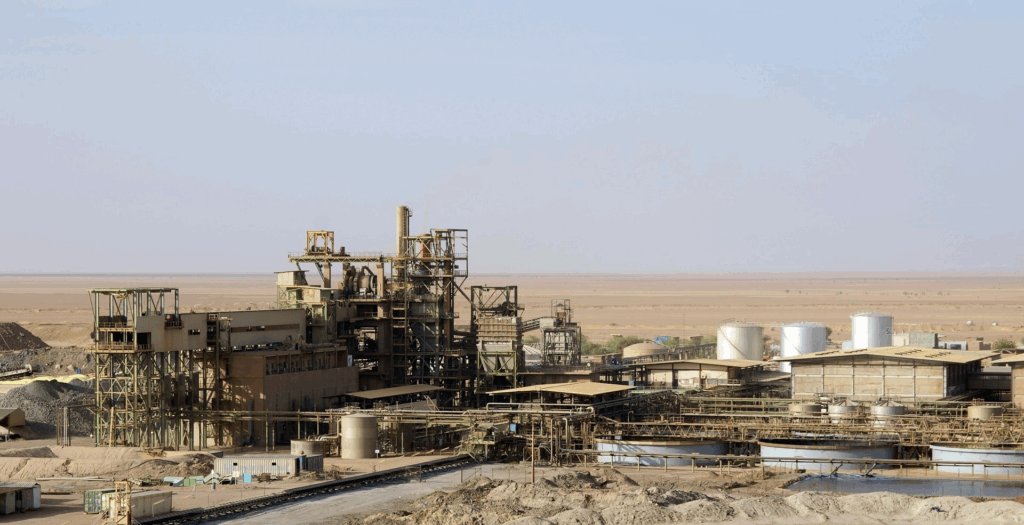
Niger uranium mining has become a focal point of geopolitical tension amid the country’s recent military regime changes. Following the nationalization of Orano’s operations in June 2023, the junta announced its plans to sell uranium produced by Somair on the international market, asserting its right to manage Niger’s natural resources independently. This move not only aligns with Niger’s energy policy but also marks a significant shift in the uranium market dynamics, especially with increasing interest from global powers like Russia. The conflict with Orano, which has historically dominated Niger’s uranium sector, highlights the intricate balance between national interests and foreign investment. As Niger asserts its authority, the implications for both domestic and international stakeholders continue to unfold, reshaping the future of uranium mining in the region.
The extraction of uranium in Niger represents a complex interplay of resource management and international relations. In light of the recent military government’s decision to take control over crucial uranium projects previously operated by foreign firms, the dynamics within the mining sector are evolving rapidly. Nationalization efforts emphasize Niger’s strategic energy ambitions and reflect broader trends in the global uranium marketplace. While the military regime focuses on leveraging these valuable natural resources for national benefit, questions remain regarding the impact on foreign partnerships and investment. This situation encapsulates the growing interest in Niger’s mining potential, particularly amidst a backdrop of shifting alliances and regional security concerns.
Niger’s Military Regime and Uranium Mining
The military regime of Niger has taken decisive steps regarding uranium mining, especially following the nationalization of Orano’s operations. By placing uranium produced at Somair on the international market, the junta is asserting its control over one of the nation’s most valuable natural resources. General Abdourahamane Tiani’s statement reflects a commitment to manage these resources independently, indicating a shift from the traditional partnerships Niger had with foreign companies, especially those from France.
This newfound independence in uranium mining is seen as a strategic move to redefine Niger’s energy policy and its role in the global uranium market. As Niger operates some of the largest uranium deposits, such as Imouraren, which is crucial for future energy needs, the military regime’s focus suggests a potential pivot towards diversifying its economic partnerships, possibly looking towards nations like Russia for support.
Orano’s Nationalization and Its Impacts
The nationalization of Orano’s uranium mining operations has led to significant implications for both the company and the Nigerien economy. Orano, historically a dominant force in Niger’s uranium sector, now finds itself in a legal battle to regain control over its mines. This struggle is not only a reflection of the ongoing geopolitical tensions but also highlights Niger’s ambitions to retain a greater share of its natural resource wealth.
As Orano initiates arbitration proceedings, the backdrop of Niger’s nationalization drive echoes sentiments around resource sovereignty. The military regime’s decision is likely to impact foreign investor confidence, which could alter future investments in the uranium market. Moreover, as Niger embarks on a path of greater self-determination, it also signifies a shift in energy policies aimed at leveraging its rich uranium deposits for national benefit.
The Geopolitical Landscape of Uranium Mining
Niger’s strategic position as a major uranium producer has drawn international attention, particularly post-coup. The junta’s inclination to court foreign investment from non-Western nations, notably Russia, indicates a broader geopolitical realignment. By engaging with Russia, Niger aims not only to bolster its energy sector but also to find allies against domestic insurgencies.
In this context, uranium mining serves as both an economic asset and a tool for political leverage. As Niger navigates its complex relationship with Western countries and explores new partnerships, it highlights the increasing importance of uranium within global energy strategies. The move towards internationalizing uranium sales could further entrench Niger’s role in the global energy market amid evolving geopolitical dynamics.
Niger’s Natural Resources and Economic Independence
Niger’s natural resources, especially uranium, represent a significant potential for fostering economic independence. With about a quarter of Europe’s uranium supply coming from Niger, the country possesses a unique position to negotiate more favorable trade terms. The military regime’s emphasis on nationalize operations is a clear demonstration of an effort to maximize benefits from these resources for the local economy.
Harnessing its natural resources could propel Niger towards sustainable growth and improved public services. By redirecting profits from uranium mining back into local infrastructures, the regime has a chance to transform its socio-economic landscape, moving away from reliance on foreign aid and support.
The Future of the Uranium Market Post-2023
As Niger redefines its role within the uranium market, the implications for international energy dynamics are profound. The stripping of operational control from Orano and the intention to market uranium independently may lead to fluctuations in uranium prices globally. This represents both a challenge and an opportunity for Niger to influence market dynamics.
Navigating the future of the uranium market involves strategic partnerships and negotiations that align with Niger’s energy policy goals. As this tumultuous period unfolds, observing how Niger engages with both traditional and emerging partners will provide insights into its long-term ambitions and the evolving landscape of global energy.
International Responses to Niger’s Uranium Strategy
The international community is closely monitoring Niger’s approach to uranium mining, especially following the military coup and the nationalization of Orano. Countries that rely on Niger’s uranium for their nuclear energy supplies are concerned about stability and continuity. As Niger asserts its independence, ensuring consistent supplies will be crucial for industries dependent on uranium.
Responses from Western nations, particularly France, reflect apprehension regarding Niger’s shift in foreign policy. The prospect of increased dealings with Russia has raised eyebrows and led to discussions about potential shifts in alliances within the broader context of energy security and geopolitical alignments.
Russia’s Interest in Niger’s Uranium Resources
Moscow’s interest in Niger’s uranium resources underscores the strategic competition in the global energy sector. Following the military regime’s rise to power, discussions have surged around potential Russian investments in Niger’s mining sectors, presenting an alternative to Western influence, particularly that of France.
This interest could reshape not only Niger’s energy landscape but its alliances and regional relationships. As Niger looks to bolster its military capabilities against insurgent threats, partnerships with countries like Russia may offer both economic and tactical support in navigating contemporary challenges.
Niger’s Energy Policy and Foreign Partnerships
The trajectory of Niger’s energy policy is inextricably linked to its natural resources, particularly uranium. The military regime’s push to manage production and sales independently signals a transformative phase in the country’s approach to foreign partnerships. By controlling outputs, Niger intends to negotiate from a position of strength, ensuring that its resources are not exploited unfairly.
Navigating foreign partnerships will require careful diplomacy and strategic foresight. As Niger explores potential agreements with Russia and other nations, balancing its historical ties with France against new relations will be critical to ensuring both economic viability and national security.
The Role of Euratom in Niger’s Uranium Supply
Euratom has played a significant role in monitoring and regulating the uranium supply from Niger to European nuclear power plants. In 2022, Niger accounted for about a quarter of Europe’s natural uranium supply, indicating the importance of maintaining stable relations for energy security. As the military regime reorients its strategy around uranium marketing, the implications for Euratom’s oversight and regulations become increasingly vital.
With Niger’s increased independence, Euratom may need to adapt its frameworks to ensure compliance with international standards while accommodating Niger’s newfound approach to managing its natural resources. This evolving relationship will undoubtedly shape the future dynamics of uranium supply and demand within Europe.
Frequently Asked Questions
What is the current status of Niger uranium mining under the military regime?
Under the Niger military regime, uranium mining has seen significant changes, particularly with Somair, a subsidiary of Orano, being nationalized in June 2023. The military junta has announced plans to sell uranium on the international market, asserting Niger’s right to manage its natural resources independently.
How has the nationalization of Orano affected uranium mining in Niger?
The nationalization of Orano by Niger’s military regime has led to the government taking control of uranium extraction activities. Orano, which historically held operational control over mines in Niger, has challenged this by initiating arbitration proceedings to regain its position.
What impact does Niger’s energy policy have on the uranium market?
Niger’s energy policy emphasizes the country’s control over its natural resources, such as uranium, which significantly impacts the international uranium market. By deciding to sell uranium independently, Niger is making strategic moves that could alter pricing and supply dynamics globally.
Which countries are interested in Niger’s uranium resources?
Following the coup in 2023, Niger has garnered interest from several countries for its uranium resources. Notably, Russia has expressed a desire to mine uranium in Niger, particularly as the regime seeks assistance to strengthen its position against internal threats.
How much uranium does Niger contribute to the European nuclear power market?
In 2022, Niger supplied approximately a quarter of the natural uranium utilized by European nuclear power plants. This significant contribution highlights Niger’s importance in the uranium market, especially amidst changing political dynamics.
What are the implications of uranium mining for Niger’s national interests?
Uranium mining is a crucial aspect of Niger’s national interests, as it represents a significant source of revenue and energy independence. The military regime’s focus on self-management of these resources aims to enhance Niger’s economic stability and reduce reliance on foreign entities.
| Key Events | Details |
|---|---|
| Announcement of Uranium Sale | The Niger military regime announced the sale of uranium produced by Somair on international markets. |
| Nationalization of Orano | Somair, a subsidiary of Orano, was nationalized by the military junta in June 2023. |
| General Tiani’s Remarks | General Abdourahamane Tiani emphasized Niger’s right to manage and sell its natural resources independently. |
| Russian Interests | Russia expressed interest in mining uranium in Niger after the junta came to power. |
| Stripping Control from Orano | In 2024, Niger removed Orano’s operational control over three major mines. |
| Euratom Data | Niger supplied about 25% of the uranium used by European nuclear power plants in 2022. |
Summary
Niger uranium mining has become a pivotal issue following the military regime’s announcement to place uranium from Somair on the global market. The recent nationalization of Orano, a major player in uranium mining in the region, has sparked tensions between the junta and the French government, highlighting Niger’s evolving stance on its natural resources. With ongoing interests from Russia in the wake of the junta’s rise to power, the future of Niger’s uranium mining sector remains a critical topic in international relations and energy politics.