
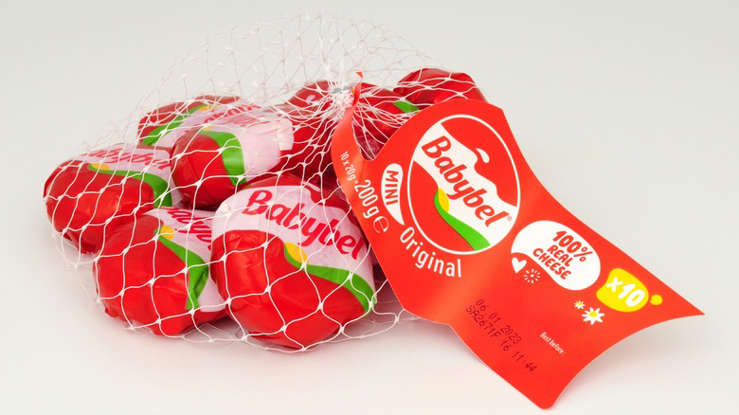
Mini Babybel success in the US has been remarkable, riding the wave of growing health consciousness among consumers. Characterized as a “healthy snack,” this cheese brand has captured the attention of American consumers, especially amid anti-obesity trends sweeping the nation. With Mini Babybel sales accounting for one third of global consumption, it has become a staple in many households, reflecting its strong appeal in the healthy snacks USA category. The Bel Group’s growth can be attributed to this phenomenon, as the demand for convenient and nutritious snacking options continues to rise. In light of this success, the company is expanding its Babybel production line in France and contemplating enhancements to its existing facilities in the US.
The phenomenal rise of Mini Babybel in the American market signifies a shift in consumer preferences toward healthier snack options. As obesity rates climb, many are turning to beneficial eating habits, resulting in an uptick in the popularity of products like Mini Babybel. This iconic cheese, often recognized by its vibrant red wax covering, has positioned itself as a go-to snack for those seeking both convenience and nutrition. The increasing focus on wholesome eating in the USA is enabling brands such as the Bel Group to flourish significantly. Consequently, an expansion of Babybel’s production capabilities reflects the brand’s commitment to meeting the burgeoning demand for healthier food choices amidst evolving market dynamics.
Mini Babybel’s Surge in the US Market
The anticipated investment of €60 million by Bel into a new Babybel production line at their Sablé-sur-Sarthe facility is a strategic move to enhance its production capabilities. The significance of this expansion is magnified by the increasing demand for Mini Babybel, particularly in the United States. As the American consumer increasingly gravitates towards healthier snack options, this small but mighty cheese has successfully positioned itself as a go-to choice. This growth is not merely anecdotal; statistics show that Mini Babybel sales in the US account for one-third of its global distribution, which underscores the product’s substantial market appeal.
Additionally, the US market has witnessed a sharp uptick in Babybel consumption, with a reported increase of 12% in recent sales. This growth trend aligns seamlessly with broader anti-obesity initiatives gaining traction across the country, which promote healthier eating habits. Consequently, Mini Babybel is not just perceived as a tasty snack but as an integral part of the solution to obesity issues. The alignment between Mini Babybel’s appeal and national health trends highlights its potential for continued success in America.
The Role of Anti-Obesity Trends in Babybel’s Popularity
As anti-obesity drugs gain popularity, they have inadvertently boosted the appeal of healthy snacks like Mini Babybel. The perception of this product as a ‘healthy snack’ complements the efforts of many American consumers to adopt better dietary practices. Mini Babybel’s convenience, portion control, and nutritional profile make it an attractive option for those seeking flavorful yet health-conscious snacks. It fits seamlessly into the rising trend of healthier eating, fueled by both medical advancements and consumer education.
Moreover, the cultural shift towards prioritizing health has made consumers more vigilant about their dietary choices. Products that can deliver taste without compromising health are in high demand, and Mini Babybel’s unique production process ensures a cheese that is enjoyed without guilt. This synergy between consumer health desires and Mini Babybel’s offerings will likely sustain its rapid growth, allowing Bel to confidently forecast an expanding market share in the coming years.
Future Investments in Mini Babybel Production
Bel’s commitment to expanding its Babybel production capabilities indicates a confidence in sustained consumer demand for healthy snack options. The planned investment in a second production line in France aims to address the surging need for Mini Babybel in the US market. This move not only enhances production efficiency but also prepares the company to better meet the projected growth in sales. As production capacity increases, consumers can expect consistent availability of their favorite cheese snacks.
Looking ahead, Bel is also contemplating an expansion of its US factory located in Brookings, South Dakota. This facility currently operates at an impressive 11,000-ton annual capacity but with Mini Babybel’s sales continuing to soar, a significant increase in production capabilities is being considered. This foresight helps counterbalance pressures like tariffs imposed on European products, as more local production can mitigate costs while meeting the soaring demand for healthy snacks in the US.
How Babybel Contributes to Healthy Snack Initiatives
Mini Babybel has effectively carved out a niche for itself as a staple in the landscape of healthy snacks in the USA. The convergence of its delightful taste and nutritional value aligns perfectly with initiatives targeting obesity. As consumers become more health-conscious, they are seeking products that empower them to make better food choices. Mini Babybel, with its carefully crafted profile, meets these demands beautifully as it is rich in protein while being individually wrapped for convenience.
The strategic branding of Mini Babybel as a healthy snack option reinforces its connection to broader healthy eating trends. Awareness campaigns that highlight the benefits of incorporating nutritious snacks into daily diets resonate with consumers looking for solutions to help combat obesity. This solid alignment with consumer needs reinforces Mini Babybel’s place as a key player in the healthy snack category, enabling Bel to capture an ever-increasing slice of the market.
Bel Group’s Growth Strategy Amidst Market Challenges
Bel Group’s impressive growth trajectory underscores the company’s effective strategic planning in a competitive market environment. Despite the challenges posed by high tariffs on European exports, the company has managed to navigate these obstacles with innovation and targeted investments. By focusing on markets like the USA, Bel is leveraging the boom in demand for healthy snacks to bolster its market presence, particularly through prominent products like Mini Babybel.
Bel’s leadership, including insights from its deputy director general Béatrice de Noray, reflects a forward-thinking approach to overcoming market pressures. Plans to expand production capacity in both European and American establishments showcase an aggressive growth strategy aimed at harnessing the skyrocketing demand for Mini Babybel. This strategic diversification not only enhances operational efficiency but also fortifies the brand’s positioning amidst fluctuating market dynamics.
The Impact of Consumer Trends on Mini Babybel Success
The trajectory of Mini Babybel’s success can be closely linked to evolving consumer trends toward healthier eating. As consumers become more informed about the nutritional aspects of their diet, the appeal of Mini Babybel has strengthened. Its brand identity as a fun and healthy snack caters to families wanting healthier options that are still appealing to children. This successful merger of taste and nutrition taps directly into the market’s current emphasis on healthy snacks in the USA.
Moreover, as people increasingly look to reduce their weight or maintain healthy habits, the demand for snack options that can support these goals rises sharply. Mini Babybel not only fulfills this demand with its functional benefits but also competes well against other snack products that may not possess the same nutritional punch. This alignment of product offerings with consumer priorities is likely to ensure its popularity and sales growth continue uninterrupted.
Mini Babybel and the Shift Towards Healthier Diets
As societal awareness of health issues grows, so too does the inclination toward dietary investments that prioritize wellness over mere indulgence. Mini Babybel epitomizes this shift; it provides a satisfying snack that mitigates the guilt often associated with snacking by offering a lower-calorie and nutritious option. This approach not only addresses the growing obesity epidemic but also adds to the allure of Babybel products among consumers eager to embrace a more health-conscious lifestyle.
Incorporating Babybel as a staple item in healthy snack options reflects a consumer base that is evolving and prioritizing nutrition alongside flavor. The cheese’s packaging and portion-controlled servings fit perfectly into busy lifestyles, allowing individuals to enjoy convenient snacking while staying aligned with their health objectives. The cheese thus elevates any meal or snack experience, encouraging people to seek out healthier alternatives without sacrificing enjoyment.
Production Capacity and Future Growth of Mini Babybel
Investing in expanded production facilities highlights Bel’s commitment to meeting the growing demand for its products, with Mini Babybel leading the charge. The anticipated €60 million investment in the Sablé-sur-Sarthe factory is indicative of the company’s proactive strategy in amplifying output in response to a booming consumer base. This facility will become instrumental in increasing the availability of Mini Babybel in key markets, particularly the rapidly growing US segment.
As Americans increasingly embrace healthier snack choices, the investment in production capabilities not only serves to meet current demand but also anticipates future consumption patterns. The decision to expand reflects a confidence in Mini Babybel’s continued success and a belief that consumers will maintain a strong inclination toward nutritious snacks in the years to come. By ensuring that production can keep pace with growth, Bel is well-positioned to capture greater market share.
Mini Babybel’s Positioning in the Snack Food Industry
In the vast landscape of snack foods, Mini Babybel maintains a unique positioning that appeals to a diverse demographic. As health consciousness grows in the United States, this cheese product stands out not only for its flavor but also for its nutritional benefits. The carefully developed branding of Mini Babybel as a healthy snack resonates strongly with consumers seeking alternatives to traditionally unhealthy snacks, showcasing how effective marketing can catalyze a product’s success in the health-oriented segment.
Furthermore, with its playful packaging and concept, Mini Babybel engages younger audiences, making it an attractive choice for parents compelled to select snacks for their children. This blend of health and fun significantly contributes to its appeal, tapping into the core desires of many modern families. As health trends shape consumption patterns, Mini Babybel’s ability to adapt to and lead in this market is a testament to its influential role in the healthy snack industry.
Frequently Asked Questions
How has Mini Babybel’s success in the US been impacted by anti-obesity trends?
Mini Babybel’s success in the US has been significantly bolstered by rising anti-obesity trends, as consumers increasingly seek healthier snack options. This iconic cheese snack is perceived as a convenient, low-calorie choice, aligning with healthier eating habits promoted by the growing availability of anti-obesity medications.
What measures is the Bel Group taking to enhance Mini Babybel production in the US?
To meet the increasing demand for Mini Babybel in the US, the Bel Group plans to invest €60 million in a new production line at their Sablé-sur-Sarthe factory in France and is also considering expanding their factory in Brookings, South Dakota, thereby boosting their capacity to cater to the American market.
Why is Mini Babybel considered a popular healthy snack in the USA?
Mini Babybel is regarded as a popular healthy snack in the USA due to its convenient packaging, appealing taste, and nutritional profile. With the increasing focus on health and wellness, particularly in light of anti-obesity trends, Babybel offers a satisfying portion of cheese that fits into many healthy snack lifestyles.
What percentage of global Mini Babybel sales come from the US market?
The US market accounts for approximately one-third of global Mini Babybel sales, which translates to about 20,000 tonnes annually, demonstrating the significant demand and popularity of this thoughtful snacking choice among American consumers.
How is the Bel Group’s growth strategy linked to Mini Babybel sales?
The Bel Group’s growth strategy is closely tied to the success of Mini Babybel sales, particularly in the US where sales increased by 12%. This growth not only reinforces the brand’s market position but also encourages further investments in production capacity to meet the expanding demand for healthy snacks.
| Key Point | Details |
|---|---|
| Mini Babybel Popularity | Ranking as a ‘healthy snack’ among Americans. |
| Sales Figures | US accounts for one third of global sales, approximately 20,000 tonnes per year. |
| Production Expansion | Investment of €60 million for a new production line in France to meet growing demand. |
| US Facility Plans | Potential expansion of the Brookings, SD factory for increased production capacity. |
| Market Growth | 12% sales increase in the US expected to continue in 2025. |
| Impact of Tariffs | 15% tariffs on European products affecting business model, but goals remain steadfast. |
Summary
Mini Babybel’s success in the US highlights the brand’s excellent positioning as a healthy snack alternative. The increasing popularity of anti-obesity medications has positively influenced sales, helping Babybel to thrive in the competitive snack market. With significant investments earmarked for production expansion in both France and the US, and an evident consumer preference for its unique product, Mini Babybel is set to sustain its growth momentum well into the near future.