
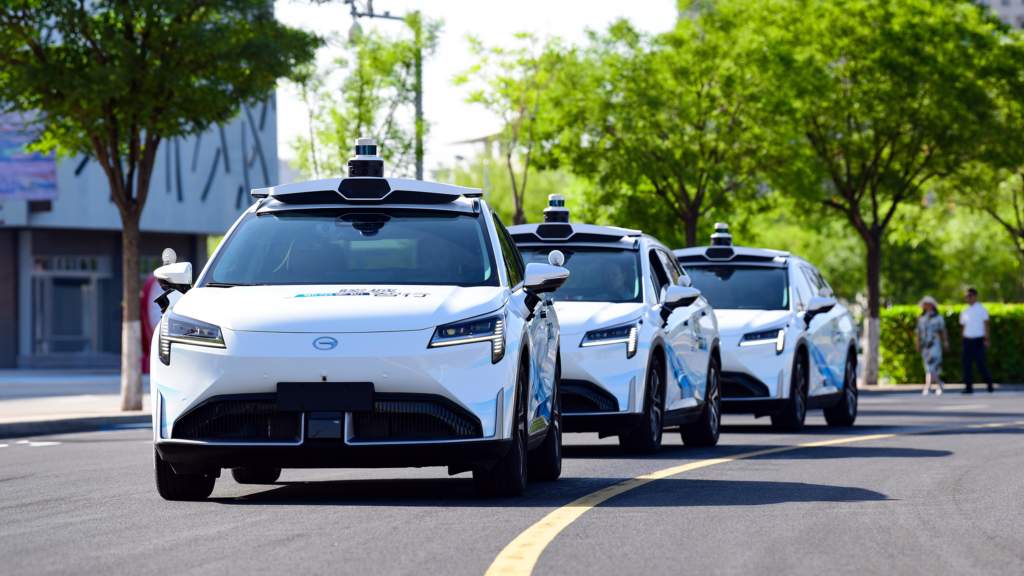
Robotaxis are at the forefront of a transportation revolution, bringing autonomous vehicles into urban life more than ever before. With major investments surpassing €100 billion over the last 15 years, we are witnessing a rapid expansion of self-driving cars in cities like San Francisco, Shanghai, and soon, London. This unprecedented growth, driven by American and Chinese tech giants such as Waymo and Baidu, is transforming how we think about mobility. As these driverless technologies become increasingly common, motorists and pedestrians alike are becoming accustomed to these fleets of vehicles gliding silently through the streets. The future of travel is here, and robotaxis promise to reshape our cities and change the way we get around them for good.
The emergence of autonomous ride-hailing services, often referred to as driverless taxis, marks a significant milestone in modern transportation. With companies like Waymo leading the charge, the global push towards robotaxi expansion is undeniable. These innovative self-driving solutions are increasingly being integrated into everyday commutes, improving mobility and efficiency across metropolitan areas. As cities become more reliant on autonomous vehicles, the potential for cleaner, safer, and more efficient transportation systems is expanding. The adoption of driverless technology is not just a trend; it represents a fundamental shift in how we interact with our urban environments.
The Rapid Rise of Robotaxis Worldwide
The proliferation of robotaxis is reshaping urban mobility in cities across the globe. From San Francisco to Shanghai, municipalities are witnessing a remarkable surge in autonomous vehicle deployments. Major technology companies, especially from the US and China, are leading this transformation, contributing to a substantial investment of over €100 billion over the past 15 years. This investment has not only accelerated the development of driverless technologies but also proved instrumental in establishing operational fleets that have become a common sight on city streets.
As cities adapt to the presence of these self-driving vehicles, the operational rhythm of urban life is undergoing a significant change. In cities like Austin and Las Vegas, residents now routinely see robotaxis navigating through traffic alongside traditional vehicles. With a presence firmly established, companies like Waymo and Baidu’s Apollo have begun to reshape public perceptions of safety and accessibility in transportation, making driverless cars an integral component of everyday mobility.
Waymo’s Expansion Strategy in Autonomous Vehicle Market
Waymo, a pioneer in the autonomous vehicle sector, continues to expand its footprint in the market with strategic rollouts. Initially focusing on select cities in the US, they are set to enter international markets, including London, as reported recently. This move signals a broader ambition to dominate the robotaxi segment not just in America but also in Europe, where they face minimal competition from local firms. Such expansion demonstrates Waymo’s confidence in the robustness of its autonomous technology, as well as the growing global demand for driverless solutions.
The challenges in the autonomous vehicle industry are significant, but Waymo is well-positioned to address them with years of driving data and continuous advancements in its self-driving algorithms. By consistently updating its fleet’s software and enhancing its vehicle’s sensors, Waymo is not just adapting to varying traffic conditions but is also fine-tuning its technology to meet regulatory expectations in foreign markets. This proactive approach is critical as it enables Waymo to build trust among potential users and local authorities alike, essential for the widespread acceptance of robotaxis.
The Competition Between American and Chinese Tech Giants
The robotaxi landscape is witnessing fierce competition between American and Chinese tech giants. Companies like Waymo and Tesla are notable players in the US, while China’s Apollo, Pony.ai, and WeRide are making significant strides in their home markets. Each of these entities is vying for technological supremacy, and their distinct strategies reflect variations in regulatory environments and consumer acceptance. With the Chinese government backing automated transport initiatives, the growth of robotaxis in cities such as Beijing and Shenzhen has been notably aggressive.
This competitive dynamic results in accelerated innovation within the self-driving car industry as companies push the boundaries of driverless technology. For instance, while Waymo focuses on safety and consumer trust, Chinese firms are often more willing to experiment with rapid rollouts. This difference in strategy reflects not only the varied regulatory landscapes they navigate but also the cultural perceptions of technology adoption among their respective populations.
How Robotaxis Transform Urban Transportation
Robotaxis are revolutionizing urban transportation by offering an efficient alternative to traditional ridesharing models. This transformation is marked by enhanced convenience, reduced traffic congestion, and lower emissions, contributing to more sustainable urban environments. Equipped with cutting-edge driverless technology, these autonomous vehicles can operate without human intervention, allowing cities to deploy them strategically to address peak demand and alleviate city gridlock.
Moreover, as robotaxis become commonplace, the implications for public transportation are profound. They not only serve as a complementary option to existing transit systems but also encourage the development of integrated mobility solutions. With their ability to integrate seamlessly into mobility-as-a-service platforms, these self-driving cars are paving the way for a more cohesive and user-friendly transportation ecosystem, where residents can enjoy safer and more predictable travel experiences.
The Economic Impact of Robotaxi Deployments
The introduction of robotaxis is expected to have a significant economic impact, notably in terms of job creation and urban development. As companies invest in the infrastructure required for widespread autonomous vehicle deployment, there is an accompanying surge in demand for skilled workers in engineering, AI programming, and vehicle maintenance. This development creates new employment opportunities that cater to a rapidly evolving industry, aimed at harnessing the potential of self-driving technology.
Furthermore, the emergence of robotaxis can stimulate local economies by reducing transportation costs and increasing accessibility. Enhanced mobility options encourage more residents to travel within their cities, supporting local businesses and potentially leading to job growth in retail and service sectors. As cities adapt to this new mobility paradigm, the overall economic landscape will likely undergo substantial transformation, spotlighting the critical role of autonomous vehicles in future urban planning.
Safety Concerns Surrounding Robotaxis
As excitement grows around the potential of robotaxis, so do safety concerns among the public. The operational performance of these vehicles under diverse traffic conditions remains a topic of scrutiny. While proponents argue that autonomous vehicles can significantly reduce accidents caused by human error, incidents involving driverless technology can lead to public skepticism. Companies like Waymo are tasked with not only proving their technology’s reliability but also gaining public trust through transparency and rigorous testing.
To address these concerns, multiple stakeholders, including governments and tech developers, must collaborate to establish comprehensive safety standards for autonomous vehicles. Regulatory frameworks must evolve to ensure that robotaxis meet high safety thresholds before they are allowed to fully operate in urban settings. By prioritizing safety and effectively communicating their protocols, companies can foster confidence in their technology and showcase the benefits of self-driving cars.
The Role of Regulation in Robotaxi Expansion
Regulation plays a crucial role in the expansion of robotaxis, influencing not only market entry but also the development of innovative technologies. Governments around the world are grappling with how to integrate autonomous vehicles into existing transportation frameworks. The regulatory landscape varies widely, with some regions embracing rapid innovation while others take a more cautious approach. This discrepancy can significantly impact the speed at which robotaxi services are rolled out and adopted by the public.
Moreover, effective regulation can facilitate collaboration between tech companies and local authorities, leading to the establishment of safety guidelines and operational standards. As cities like London prepare to welcome robotaxis, it’s imperative that a balanced regulatory approach is implemented to harness the benefits while minimizing risks associated with driverless technology. Striking this balance will be essential for fostering a conducive environment for the growth of autonomous vehicles.
How Robotaxis Affect Traditional Taxi Services
The introduction of robotaxis poses significant challenges to traditional taxi services. As autonomous vehicles begin to proliferate, conventional taxi operators may struggle to maintain market share, leading to increased competition that could disrupt established business models. The convenience, cost-effectiveness, and efficiency of robotaxi services are appealing to consumers, causing a shift in transport preferences that may threaten the survival of traditional taxi companies.
To adapt, traditional taxi services may need to innovate by incorporating technology that enhances customer engagement and efficiency. This could involve adding app-based booking systems, embracing partnerships with autonomous vehicle providers, or focusing on specialized services that robotaxis cannot adequately address. By being proactive in embracing these changes, traditional taxi services have the potential to coexist alongside robotaxis in the evolving transportation landscape.
Future Prospects of Robotaxi Deployment
The future of robotaxi deployment appears promising as technological advancements continue to progress. With substantial investments in autonomous vehicle research and development, companies are refining their technologies, enhancing vehicle safety protocols, and optimizing algorithms to handle complex traffic scenarios. As these improvements come to fruition, we can expect wider acceptance of robotaxis across more urban centers globally.
Moreover, the integration of machine learning and artificial intelligence will further accelerate this evolution, enabling robotaxis to learn and adapt to their environments continuously. As cities become more equipped to handle autonomous transport, the dream of seamless mobility—where users can rely on self-driving cars to navigate without human involvement—may soon become a reality, fundamentally altering the fabric of urban life.
Frequently Asked Questions
What are robotaxis and how do they relate to autonomous vehicles?
Robotaxis are a specific type of autonomous vehicle designed to operate without a human driver, providing taxi-like services. These self-driving cars utilize advanced driverless technology to navigate public roads safely, making them a crucial part of the growing autonomous vehicle landscape.
How is Waymo leading the way in robotaxi expansion?
Waymo, the autonomous vehicle division of Alphabet, has been at the forefront of robotaxi expansion by successfully deploying its driverless technology in multiple US cities. Recently, Waymo announced plans to extend its robotaxi services to new locations, including London, highlighting its commitment to global growth.
What cities are currently seeing robotaxi operations?
Robotaxis are now operating in various cities across the globe, including major US cities like San Francisco, Los Angeles, and Las Vegas, and in Chinese metropolises such as Wuhan, Beijing, and Shanghai. This global surge reflects the swift advancement in driverless technology and the increasing acceptance of autonomous vehicles.
What investments have been made in robotaxi development?
Over the past 15 years, more than €100 billion has been invested in the development of robotaxi technology and infrastructure. This significant financial commitment underscores the potential of autonomous vehicles to revolutionize urban transportation.
How do robotaxis impact traffic and urban mobility?
Robotaxis have the potential to transform traffic patterns and urban mobility by reducing the number of personally owned vehicles, increasing efficiency in transportation, and minimizing congestion. As more people choose autonomous vehicles for their travel needs, cities may see improved air quality and reduced traffic jams.
Which companies are competing in the robotaxi industry?
Leading companies in the robotaxi industry include Waymo in the United States, and several Chinese firms like Baidu’s Apollo, as well as startups Pony.ai and WeRide. These operators are recognized for their innovation and are rapidly scaling their autonomous vehicle fleets.
Are robotaxi services safe for pedestrians and drivers?
Yes, robotaxi services are designed with safety as a priority. The advanced driverless technology employed by these autonomous vehicles allows them to make real-time decisions based on their surroundings, aiming to minimize accidents and ensure the safety of both pedestrians and other drivers.
When will robotaxis be available in more cities globally?
The timeline for robotaxi availability in additional cities varies, but as seen with Waymo’s recent announcements, expansions are underway. As technology continues to mature and regulatory frameworks adapt, we can expect a broader rollout of autonomous vehicle services in urban areas worldwide.
| Key Point | Details |
|---|---|
| Global Expansion | Robotaxis are launching in major cities worldwide, including San Francisco, Shanghai, Abu Dhabi, and London. |
| Tech Leadership | US and Chinese companies dominate the robotaxi market, with significant investments. |
| Investment | Over €100 billion has been invested in robotaxi projects over the past 15 years. |
| Autonomous Vehicle Sightings | Driverless cars have become common sights in urban areas, indicating successful implementation. |
| Key Players | Notable operators include Waymo from Google and startups like Pony.ai and WeRide. |
Summary
Robotaxis are revolutionizing urban transportation across the globe as major tech firms from the US and China lead the charge into cities like San Francisco and London. With significant investments and innovative technology, robotaxis are becoming a common sight, changing the way people think about vehicle ownership and transportation efficiency. As these autonomous fleets expand into new regions, their impact on mobility, safety, and urban planning will only grow.