
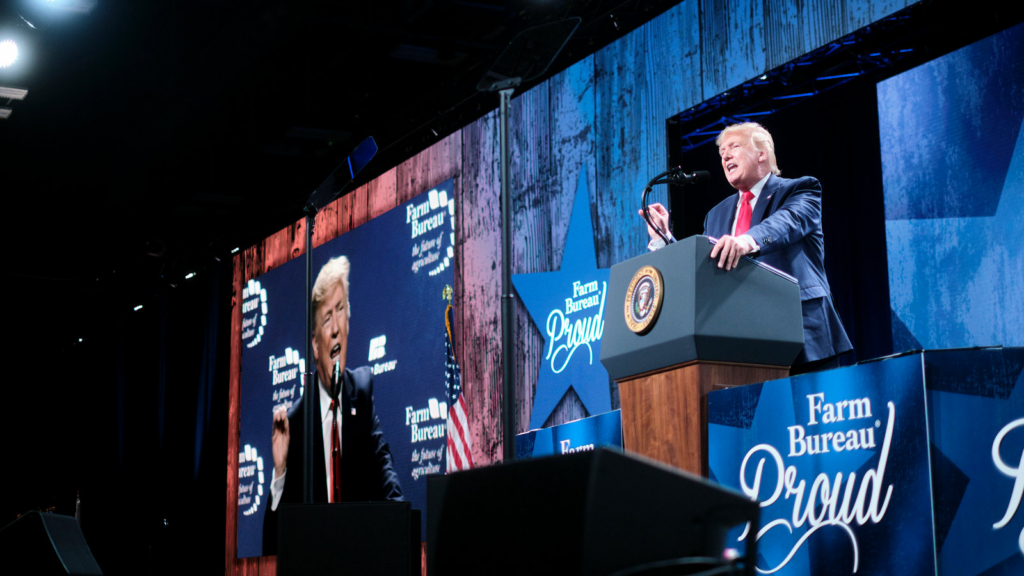
In a bid to bolster support from his key constituency, President Trump announced a $12 billion farm aid package designed to assist American farmers negatively impacted by his own agriculture policies. This initiative comes at a critical time as US farmers face hardships brought on by escalating tariffs and trade disputes that have recently hindered soybean exports. During a roundtable discussion at the White House, Trump emphasized his commitment to protecting American farmers, whom he credits with significant support in his political career. This financial relief is part of Trump’s broader economic agenda, responding to the challenges that have arisen from his administration’s trade strategies. As the agricultural sector grapples with these issues, the promise of American farmers aid aims to stabilize an essential part of the US economy while addressing the growing discontent over the impact of tariffs.
Amid ongoing challenges facing the agricultural community, President Trump’s administration has rolled out a substantial aid package for farmers, aimed at alleviating the pressures stemming from international trade disputes. This strategic support arrives in the wake of significant tariffs imposed on foreign goods, which have disproportionately affected American farmers, particularly those reliant on exporting crops like soybeans. Discussions about governmental assistance reflect a recognition of the vital role that agriculture plays in the national economy and highlight the political motivations behind agricultural aid. Additionally, the economic discourse surrounding these initiatives points to the intricate interdependence between trade policies and rural livelihoods in the United States. As the farming sector strives to adapt to fluctuating markets and political challenges, this wave of support is positioned as a critical lifeline for many American producers.
Trump’s Farm Aid: A Lifeline for American Farmers
On December 8, President Donald Trump announced a substantial $12 billion aid package aimed at supporting American farmers who have suffered due to his administration’s trade policies. This initiative acts as a crucial lifeline for farmers facing hardships caused by retaliatory tariffs imposed by trade partners, particularly in the wake of his aggressive stance against China. Trump’s commitment to safeguarding the agricultural sector underscores the importance of farmers in his political base, as he seeks to maintain their support heading into his next campaign.
The announcement of the $12 billion package came as a direct response to the significant decline in critical exports, such as soybeans, deeply affecting the livelihoods of many agricultural producers. By describing this move as “very vital action to protect and defend American farmers,” Trump attempts to reassure them that his administration recognizes and prioritizes their struggles. With crucial farming states being pivotal to his electoral success, Trump has made it clear that addressing the economic challenges faced by these farmers is essential to both his political agenda and the stability of American agriculture.
The Impact of Trump Agriculture Policies on US Farmers
Trump’s agriculture policies have significantly shaped the landscape of American farming amid rising tensions in global trade. The introduction of tariffs led to unexpected retaliatory measures from other countries, adversely impacting U.S. farmers who rely heavily on exports. The agricultural sector was left scrambling to adapt as important markets for products like soybeans faced significant restrictions, leading to decreased demand and lower prices. This situation created a precarious environment for farmers who had to navigate not only the tariffs themselves but also the fallout from diminished export opportunities.
Despite these challenges, Trump’s administration has attempted to mitigate the adverse effects through various support measures. The $12 billion aid package is among several resources made available to farmers struggling under the weight of tariffs. By providing financial assistance and emphasizing the government’s support, Trump aims to reinforce the agricultural sector’s resilience while also addressing the concerns of his agricultural constituency about trade and economic stability.
Understanding US Farmers Tariffs and their Consequences
The escalating trade tensions between the United States and its global partners have brought significant consequences for domestic agriculture, especially regarding tariffs imposed by the Trump administration. Tariffs directly impact the cost of goods and create additional challenges for farmers who rely on imported materials for production. Moreover, as retaliatory tariffs came into effect, key agricultural exports like soybeans were subjected to additional financial strain, leading to financial uncertainties among U.S. farmers.
As the agricultural community grapples with these ongoing tariffs, farmers are left to contend with falling prices while simultaneously being pressured to maintain productivity. These dynamics result in a complex and often detrimental environment for several farming operations. Understanding the implications of such tariffs is essential for gauging their effects on agricultural sustainability and farmers’ economic viability, highlighting the urgent necessity for robust support measures during times of heightened trade tensions.
The Shrinking Demand for Soybean Exports
Soybean exports have been at the forefront of American agricultural discussions in recent years, particularly in light of the tariffs implemented during Trump’s presidency. Following the start of the U.S.-China trade war, Chinese buyers significantly reduced their purchases of American soybeans, causing prices to plummet and leading to increased economic pressure on farmers. Such a downturn in the soybean market not only diminishes short-term profits but also threatens long-term viability for farmers reliant on this vital crop.
In response to these challenges, the Trump administration has shown some flexibility, engaging in dialogue to rekindle trade relations with China. Recent efforts to negotiate terms that would restore soybean trade have sparked cautious optimism among farmers. With promises of renewed buying from Chinese markets, farmers are hopeful that stabilization of the soybean market might occur, allowing them to recover from the past years’ struggles.
The Role of Trump’s Economic Agenda for Agriculture
Trump’s economic agenda has frequently emphasized a commitment to bolstering the American economy, capturing the attention of key voter demographics, including farmers. As the agricultural sector continues to face unprecedented pressures, Trump’s policies regarding trade, tariffs, and direct financial aid seek to consolidate farmer support. His administration’s focus on prioritizing American production and fostering economic growth is both a strategic move to shore up his base and a necessary response to current agricultural challenges.
The upcoming campaign trail will provide Trump an opportunity to reiterate his commitment to agriculture and address the specific concerns of farmers directly. By showcasing his administration’s efforts and pledging continued support through measures like the $12 billion aid package, Trump aims to restore confidence in his economic strategy. This focus on agriculture will be crucial as it serves not only to maintain the loyalty of his farming constituents but also to position himself favorably against competitors who claim to prioritize farmer welfare.
Trump’s Response to Affordability Issues in Agriculture
Amidst growing complaints regarding rising costs of living, Trump acknowledges the difficulties faced by American households, particularly in the agricultural sector. His recent statements reveal a shift in tone, as he admits to an affordability “problem” that many farmers and consumers have been vocal about. By recognizing these economic strains, Trump aims to garner sympathy from voters affected by escalating prices on essential goods, including food products derived from American farms.
This pragmatic approach is crucial as it aligns with his previous messaging that largely dismissed these concerns as politically motivated. By pivoting and beginning to address the affordable living issues, Trump not only seeks to create a more relatable narrative but also to position his administration as actively addressing the criticisms leveled by the Democrats. Moving forward, how he balances these affordability concerns with his broader economic agenda will be vital in his attempts to rally support for his policies.
Fostering Trust with Agricultural Producers
Engaging with agricultural producers has been a cornerstone of Trump’s approach to solidifying relations in the farming community. His ongoing interactions with farmers reveal a keen understanding of their needs and challenges, positioning his administration as a reliable partner during turbulent times. These relationships are critical, especially in light of the financial assistance being offered through various initiatives aimed at alleviating reservations that agricultural producers may have.
By continuously interacting with farmers, Trump fosters a sense of trust that is fundamental in politics. By showcasing a willingness to listen and respond to farmers’ concerns, he strives to create an environment where American farmers feel supported rather than abandoned. This trust becomes essential in securing the loyalty necessary to sustain his political ambitions while simultaneously working towards practical solutions that benefit the farming community.
Future Outlook for American Agricultural Policies
As the political landscape continues to evolve, the future of American agricultural policies remains a point of significant interest and concern. With Trump’s administration aiming to stabilize various sectors, including agriculture, strategic planning will be vital for future outcomes. Policymaking focused on enhancing trade relationships and addressing tariff implications can pave the way for recovery and growth within the agricultural community.
Furthermore, future agricultural policies should consider the importance of sustainability and innovation in farming practices. By encouraging research into efficient farming methods and long-term financial stability for farmers, these initiatives could play a crucial role in ensuring the resilience of American agriculture in the face of ongoing economic challenges. Emphasizing collaboration among farmers, policymakers, and the broader agricultural community will be key in shaping a more robust and adaptable farming sector.
Managing Economic Pressures within the Farming Community
The economic pressures faced by American farmers today derive from various sources, including global trade dynamics and domestic market fluctuations. As excess production meets dwindling global demand, farmers are tasked with finding ways to manage their financial viability. High input costs, exacerbated by tariffs, pose challenges that require attention and innovative solutions to improve profitability.
Addressing these economic pressures necessitates a collective approach, where both farmers and government officials are committed to finding sustainable solutions. Policies aimed at supporting farmers during downturns, coupled with initiatives to foster innovation and increase market access, can help to alleviate some of the economic burdens faced by agricultural producers. By navigating these complexities with creative strategies, there lies potential for revitalizing the farming industry and enhancing the prospects for American agriculture.
Frequently Asked Questions
What is Trump farm aid and who does it benefit?
Trump farm aid refers to a $12 billion support package aimed at providing financial assistance to American farmers affected by trade tariffs and economic challenges. It primarily benefits crop farmers struggling with reduced demand and declining prices, particularly in the soybean market due to retaliatory tariffs.
How do Trump agriculture policies impact American farmers?
Trump agriculture policies, including tariffs on imports, have created economic challenges for US farmers. These policies often lead to retaliatory measures from trading partners, reducing exports like soybeans, and necessitating farm aid to support those adversely affected.
What type of assistance is included in Trump’s farm aid package?
The Trump farm aid package primarily consists of one-time payments to crop farmers and initial funding of $11 billion for various crops. This financial aid is crucial for farmers who have suffered losses due to tariffs and the resulting trade disputes.
How have US farmers been affected by tariffs under Trump?
US farmers have faced significant challenges due to Trump’s tariffs, leading to a decline in soybean exports and a drop in prices. The trade disputes have resulted in over $27 billion in export losses from 2018 to 2019, prompting the need for agricultural aid.
What impact did the trade negotiations with China have on soybean exports under Trump?
Under Trump, trade negotiations with China initially led to a sharp decline in soybean exports as Chinese buyers delayed orders. However, recent trade truces aim to restore agricultural product purchases, including soybeans, which had hurt American farmers significantly.
What are the criticisms of Trump’s economic agenda in relation to farmers?
Critics argue that Trump’s economic agenda, particularly his tariff policies, has contributed to rising costs and financial distress for American farmers. The dissatisfaction among farmers signals concerns over the effectiveness of these aides amid ongoing affordability issues.
How is the $12 billion farm aid funded?
The $12 billion Trump farm aid package is funded by a portion of the revenue generated from tariffs imposed on imported goods, which has been utilized to support struggling American farmers in the wake of trade disputes.
What did Trump’s Agriculture Secretary say about the distribution of farm aid?
Trump’s Agriculture Secretary, Brooke Rollins, stated that an initial $11 billion would be released for crops, with an additional $1 billion retained for areas facing the greatest need, helping ensure that farmers receive essential support amid economic challenges.
| Key Points | Details |
|---|---|
| Announcement of $12 billion aid package | Targeted at American farmers affected by trade policies |
| Trump’s commitment to farmers | Stated he was taking actions to protect American farmers during a White House discussion |
| Impact of tariffs | Farmers faced retaliatory measures leading to financial strain and loss of exports |
| Aid Funding | Funded by a small portion of tariff revenue with one-time payments primarily for crop farmers |
| Decline in soybean exports | Chinese buyers have delayed orders, leading to drops in prices |
| Government’s previous support measures | In Trump’s previous term, the government provided $23 billion in aid due to earlier trade disputes |
| Drought and supply issues facing cattle farmers | Rising beef prices linked to herds affected by drought and pest issues |
| Trump’s shifting tone on economic issues | Acknowledged an affordability problem while campaigning ahead of the upcoming election |
Summary
Trump farm aid is a crucial initiative aimed at supporting American farmers who have been impacted by his administration’s trade and tariff policies. The $12 billion aid package announced by President Trump seeks to alleviate the financial strain on farmers, particularly in sectors like soybean production that experienced notable export declines due to retaliatory tariffs. With a history of previous assistance measures under his first term, this new aid underscores the administration’s continued commitment to bolstering the agricultural sector amidst ongoing economic challenges and trade negotiations.