
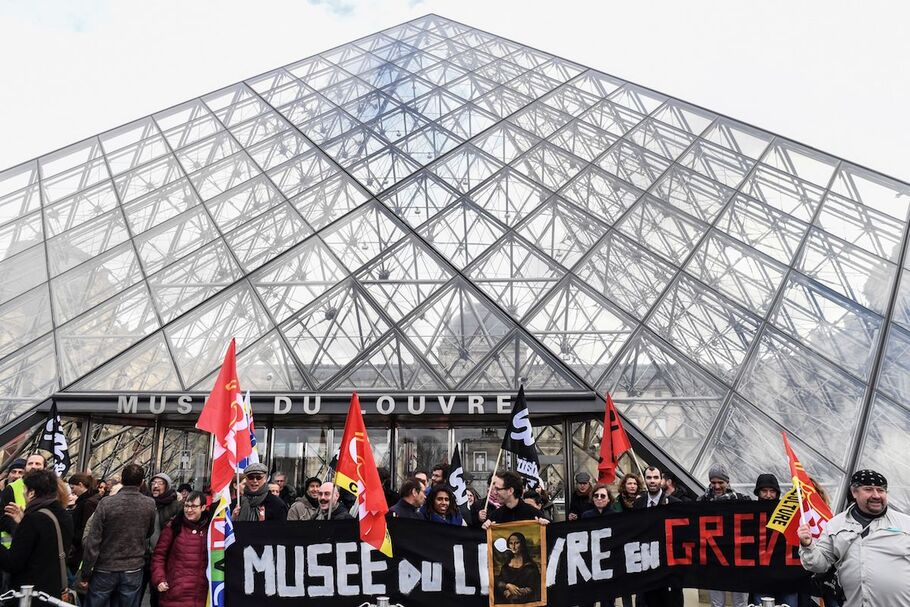
The Louvre Museum strike has captivated attention as staff at the iconic Paris landmark take a stand for better working conditions. On Monday, the world’s most visited museum closed its doors, leaving thousands of disappointed visitors yearning to see masterpieces like the Mona Lisa. With around 400 employees voting for a strike, the unrest stems not only from recent security lapses highlighted by a shocking burglary but also from chronic understaffing and overcrowding issues. As the holiday season approaches, workers demand significant changes to enhance the Louvre visitor experience, emphasizing a need for additional personnel amid fears of over-tourism. In light of these conditions, the Louvre strike illustrates the urgent call for attention to both employee welfare and museum security, marking a critical moment in recent Paris museum news.
In recent months, the Louvre has become a focal point for discussions surrounding labor rights and museum management, reflecting broader trends in cultural institutions facing similar challenges. Approximately 400 workers initiated a walk-out, revealing their dissatisfaction with working conditions at one of the most renowned museums in the world. This protest follows a distressing incident involving a theft that exposed significant security gaps within the museum’s infrastructure. As employees rally to voice their concerns about understaffing and visitor safety, alternative narratives around museum curation and maintenance come to the forefront, highlighting the delicate balance between preserving cultural heritage and ensuring a quality experience for both staff and visitors. Amid this turmoil, attention turns to the urgent need for reforms that address both the operational struggles of the Louvre and the overall enhancement of the visitor experience.
Louvre Museum Strike: A Response to Working Conditions
The recent strike at the Louvre Museum has drawn widespread attention, not only from those visiting Paris but also from the media and cultural observers. Employees at this world-renowned museum have expressed their frustration over working conditions, citing issues such as understaffing and overcrowding as key grievances. In a unanimous vote, around 400 employees decided to continue their strike, emphasizing the urgency of their demands for better support and reinforced security measures to cater to the millions of visitors flooding the museum every year.
This action highlights significant concerns about the Louvre’s capacity to handle tourist traffic efficiently while ensuring workers are not overwhelmed. The clash between visitor expectations and employee experiences has intensified, especially after the recent burglary that exposed glaring flaws in the museum’s security protocol. As staff rally together, they are not just fighting for their own working conditions but also for an improved visitor experience.
Impact of the Strike on the Louvre Visitor Experience
The ongoing strike at the Louvre Museum has left thousands of tourists disappointed and disheartened, particularly those who journeyed to see iconic artworks like the Mona Lisa. Tourists from around the globe have expressed their frustration over the closure, which coincides with one of the busiest tourist seasons in Paris. This event showcases the delicate balance between maintaining operational efficiency in such a high-traffic location and ensuring that staff concerns are adequately addressed.
Visitors witnessing the impact of the strike have voiced empathy towards museum employees. The upheaval at the Louvre underscores the broader topic of ‘overtourism’, which affects visitor experiences across the city’s landmarks. Long queues, inadequate amenities, and pressure on security personnel create an obstacle course for visitors, which could lead to a decline in the overall quality of their cultural experience.
Security Challenges Highlighted by the Recent Burglary
The robbery at the Louvre Museum has brought serious concerns regarding security measures into sharp focus. Thieves managed to evade the limited security presence and bypass measures designed to protect some of the world’s most valuable artifacts. Reports have shown that only a single camera was operational during the heist, raising questions about the adequacy of the Louvre Museum’s security protocols and emergency response systems.
This incident is not just a wake-up call for the Louvre but also for cultural institutions worldwide. It highlights the necessity of revising security strategies and allocating proper funding to safeguard national treasures such as those housed within the Louvre. The echoes of this burglary continue to resonate, leaving staff and patrons alike questioning the museum’s commitment to protecting its extensive collection.
The Tourism Strain on Louvre Museum Staff
As one of the most visited museums in the world, the Louvre often finds itself engulfed in waves of tourists, averaging around 30,000 visitors daily. This massive influx puts tremendous strain on museum staff, who are tasked with managing the flow, ensuring safety, and providing quality service. Employees have reported feeling overwhelmed, which has contributed to their demands for better working conditions and additional staffing to enhance the visitor experience.
The labor dispute serves as a crucial reminder of the challenges faced by cultural institutions caught in the trap of overtourism. While the museum serves as a vital educational and cultural venue, the logistical difficulties of accommodating such high numbers of visitors—especially during peak seasons—play a significant role in staff dissatisfaction. Until changes are made, the conflict between the needs of employees and tourists remains precarious.
Louvre Museum’s Poor Infrastructure Issues
Beneath the allure of its famed artwork, the Louvre Museum grapples with infrastructural challenges that have led to significant operational hurdles. Reports indicate that the museum’s facilities are struggling under the weight of heavy visitor traffic, with issues like leaking roofs and inadequate visitor amenities coming to light. This state of disrepair affects the visitor experience directly, evidenced by complaints about long waits and subpar facilities.
The museum’s leadership has acknowledged these shortcomings, and the French government has proposed a substantial renovation plan to improve infrastructure, with estimated costs reaching up to €800 million. However, the urgency for repairs grows as current conditions seem to deteriorate further, further exacerbating the issues faced by both staff and museum-goers.
Calls for Increased Security Measures Post-Burglary
In the wake of the recent burglary, there are increasing calls for enhanced security measures at the Louvre Museum. The shocking nature of the theft—where thieves managed to steal valuable crown jewels in plain sight of visitors—has raised alarms about the effectiveness of current security protocols. Critics, including museum employees and patrons, are urging management to invest in more comprehensive security systems and staff training.
Furthermore, the aftermath of this incident has sparked discussions about the responsibility of cultural institutions in ensuring the safety of both their collections and their visitors. As demands for accountability rise, it’s imperative for the Louvre to address these concerns to restore public confidence and ensure a secure environment.
The Role of Unions in Louvre Employees’ Strike Actions
Unions such as CGT and CFDT have played a pivotal role in organizing the strike at the Louvre Museum, channeling the voices of the disenfranchised staff. By mobilizing the workforce and facilitating collective bargaining, unions aim to address longstanding grievances related to work conditions and museum policies. Their leadership is vital in advocating for tangible improvements within this iconic institution.
The support from diverse staff categories—from front-line workers to curators—reflects a broader discontent that transcends departmental lines. This solidarity is crucial for meaningful change and highlights the collective struggle against inadequate working conditions amid increasing visitor numbers. The role of the unions emphasizes the importance of collaboration between workers and management to foster a better work environment at cultural heritage sites.
Visitor Reactions to the Louvre Museum Strike
Various visitors from around the world have reacted with frustration to the Louvre Museum’s unexpected closure due to the strike. Many had planned their trips around visiting the museum, particularly to see iconic works of art like the Mona Lisa. Statements from disappointed tourists have reflected both an understanding of the reasons behind the strike and a sense of urgency to see the museum thrive, which has been compromised by ongoing labor disputes.
This mixed reaction underscores the dilemma between the operational needs of one of the world’s foremost cultural institutions and the expectations of countless visitors who see the Louvre as a must-visit destination. The balancing act between ensuring employee satisfaction and providing exceptional visitor experiences is more crucial than ever, especially as the museum continues to attract millions each year.
Future of the Louvre Museum Amid Ongoing Challenges
Looking ahead, the Louvre Museum faces numerous challenges that could shape its future. The ongoing strike reflects growing discontent among staff about working conditions, while the aftermath of the recent burglary has called for a reevaluation of security measures. Addressing these issues is critical not only for the well-being of employees but also for maintaining the museum’s reputation in the competitive global cultural landscape.
Plans for renovation and improvements to both security and infrastructure must be swiftly put into action. As the world moves towards recovery from the pandemic, the Louvre must adapt to meet the evolving needs of visitors while ensuring a sustainable and supportive environment for its workforce. The future of the museum may depend on how effectively it can navigate these complex challenges and emerge stronger.
Frequently Asked Questions
What led to the Louvre Museum strike in Paris?
The Louvre Museum strike in Paris was initiated by staff protesting against poor working conditions and security failures highlighted by a recent robbery. Approximately 400 employees voted to continue the strike as they demand better staffing and measures to manage overcrowding at this popular tourist destination.
How does the Louvre Museum strike affect the visitor experience?
The Louvre Museum strike has resulted in the museum being closed to visitors, disappointing thousands who planned to see the famous Mona Lisa. The ongoing strike highlights broader issues of overcrowding and staffing that impact the overall visitor experience, which has been described as an ‘obstacle course’ due to long waits and inadequate facilities.
What are the main grievances of Louvre Museum staff behind the strike?
Louvre Museum staff grievances include understaffing, inadequate working conditions, and concerns about safety, especially after the recent burglary. They seek additional personnel to manage the high volume of daily visitors and improve the security measures to prevent future incidents.
What is the current status of the Louvre Museum following the strike?
As of now, the Louvre Museum remains closed due to the staff strike, which is expected to continue as employees demand improvements to working conditions and staffing levels. The strike directly impacts the museum’s ability to serve the usual influx of visitors, particularly during the busy holiday season.
How have security issues contributed to the Louvre Museum strike?
Security issues at the Louvre Museum have significantly contributed to the strike, especially in light of a recent robbery that exposed vulnerabilities. Staff have expressed concerns that poor security measures make their workplace unsafe, exacerbating the demands for better working conditions and adequate staffing.
What can visitors expect regarding access to the Louvre during the strike?
Visitors to Paris should anticipate limited or no access to the Louvre Museum during the strike. The museum’s closure has been communicated to tourists, who are advised to check for updates regarding reopening, as the situation may evolve based on negotiations between staff and management.
Will the Louvre Museum address the concerns raised by the striking staff?
The outcome of the Louvre Museum strike and whether management will address the staff’s concerns remains uncertain. However, ongoing discussions are likely, as the strike is creating substantial public attention and pressure on the museum to improve conditions, security, and visitor experience.
What impacts has the Louvre strike had on its reputation as the world’s most visited museum?
The Louvre Museum strike has raised questions about its management and ability to provide a satisfactory visitor experience, potentially affecting its reputation. The recent security breach has also called into question the integrity of the museum’s operations, leading to discussions about necessary reforms and enhancements.
| Key Points |
|---|
| The Louvre Museum closed due to a strike over working conditions. |
| Around 400 employees voted to proceed with the strike, citing demands for extra staffing and better management of overcrowding. |
| The strike comes two months after a significant burglary, raising concerns about security at the museum. |
| Visitors expressed disappointment, noting that the Louvre was a key reason for their trip to Paris. |
| Burgeoning tourist numbers have amplified challenges such as long wait times and inadequate facilities. |
| Calls for renovations and improvements are growing, especially following the heist, with estimated costs ranging from €700 million to €800 million. |
Summary
The Louvre Museum Strike has become a focal point for discussions on the urgent need for improvements in working conditions and security measures at the world’s most visited museum. With employees taking a stand against overcrowding and underfunding, their actions highlight a broader crisis in managing tourism and protecting cultural heritage. The strike not only affects staff and visitor experiences but also points to an urgent call for substantial changes before the holiday season.