
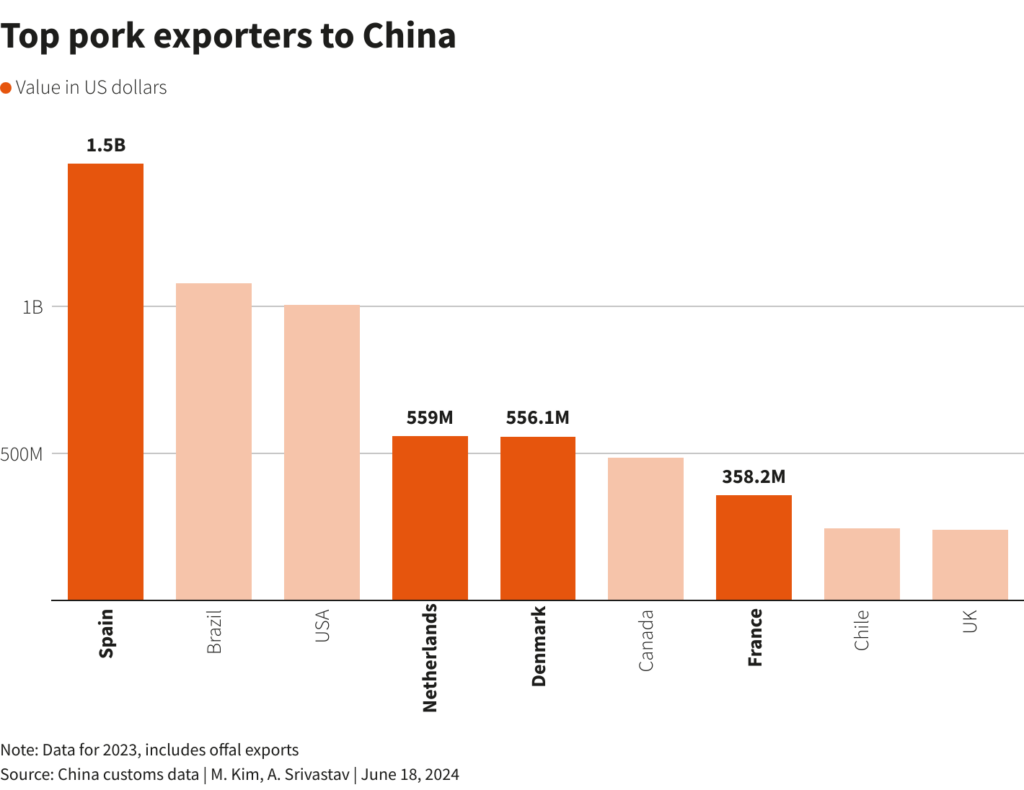
China EU pork import duties have recently taken center stage in global trade discussions, as the Chinese government has announced its decision to impose anti-dumping tariffs on pork imports from the European Union. This action has sparked a significant EU trade dispute, highlighting the complexities of international relations in the agricultural sector. The newly established duties, ranging from 4.9% to 19.8%, differ notably from the temporary pork tariffs that had been in place, which were as high as 62.4%. This move comes in response to an investigation by Chinese authorities that identified substantial damage to the domestic pork industry due to what was deemed dumping of EU products. As major producers like Spain and France face these new pork import regulations, the ramifications of this policy shift will reverberate throughout the marketplace for both regions, influencing pricing, availability, and competition.
In recent developments, the regulations governing pork imports from the European Union to China have taken a decisive turn with the introduction of new tariffs. This shift is rooted in broader arguments about fair competition and trade practices. The imposition of anti-dumping measures reflects ongoing tensions that are symptomatic of a larger trade imbalance between Europe and China, exacerbating calls for protective measures among European producers. The situation highlights the critical intersection of agricultural policies and geopolitical relations, revealing how duties and tariffs serve as tools in international negotiations. As both sides navigate this complex landscape, the implications of these pork import duties will likely reshape market dynamics and bilateral relations moving forward.
China’s New Anti-Dumping Duties on EU Pork Imports
In a significant development, China has announced the imposition of anti-dumping duties on pork imports from the European Union for a period of five years. These duties, which range from 4.9% to 19.8%, will replace the temporary levies that had been in effect since September. This measure reflects China’s assertion that European pork exports have been unfairly priced, causing substantial harm to its domestic producers. The updated tariff rates are notably lower than the previous temporary levels, which exceeded 15%, signaling a somewhat mitigated stance but still aiming to protect domestic interests against what the authorities label as dumping practices.
The decision to lower the rates, while still applying duties, highlights the ongoing struggles within China’s pork industry, especially in light of rising domestic production costs and increased competition. The spokesperson for the commerce ministry emphasized that the investigation concluded the presence of dumping and provided a fair basis for the new duties. With the reduction of duties from previous highs, China aims to strike a balance between protecting its local market and maintaining healthy trade relations with the EU, particularly given the bloc’s critical role in providing pork to one of the world’s largest consumers.
The Impact of EU Trade Dispute on Pork Tariffs
The trade dispute between the EU and China has escalated recently, with each side leveraging tariffs as a tool to combat perceived economic imbalances. European nations have increasingly criticized China’s approach to trade, particularly concerning its policies that they feel hinder fair competition. The imposition of these new pork import duties is seen as a retaliatory measure against the EU’s potential tariffs on Chinese electric vehicles, which has further strained relations. Policymakers in Europe assert that failings in the economic relationship are compelling compelling enough to warrant a significant response.
As the situation develops, it remains to be seen how these tariffs will affect trade flows and diplomatic relations between the two regions. European producers who export pork to China are concerned that the new duties will directly impact their competitiveness and revenue in the Chinese market, critical for long-term sustainability. This is reflective of the broader concerns surrounding anti-dumping duties and how they can disrupt established trade agreements, leading to more intense negotiations and potential retaliatory measures from both sides.
Analyzing China EU Pork Import Regulations
The evolving landscape of China-EU trade has spotlighted significant regulations surrounding pork imports. China’s regulatory framework has increasingly come under scrutiny, as the government actively seeks to protect its domestic pork industry amid fluctuating global markets. The new pork import regulations, highlighted by the newly imposed anti-dumping duties, seek to address self-sufficiency within China while also responding to pressure from local producers who argue that their livelihoods are at stake.
As China continues to develop stricter pork import regulations, it raises questions about compliance for EU exporters. The complexities of navigating these regulations signal a need for producers to recalibrate their operations to align with the changing legal landscape. Furthermore, the EU must strategize how to present their case against allegations of dumping, possibly re-evaluating pricing strategies and market positions to ensure that their exports can sustain a profitable market share despite increasing tariffs.
The Economic Consequences of Pork Tariffs on EU Producers
The implementation of pork tariffs by China presents a multifaceted economic challenge for EU producers who rely on exports for revenue. The immediate consequence of these duties will likely manifest as increased costs for exporters, potentially leading to elevated prices for Chinese consumers or diminishing demand for EU pork altogether. As pork is a staple in Chinese cuisine, any disruption in import flows can have far-reaching effects, not only affecting EU countries like France and Spain but also altering price dynamics within China’s domestic market.
Moreover, producers are facing stiff competition from local Chinese farms, which are becoming increasingly efficient through technological advancements and better resource management. To remain competitive, EU producers must adapt by demonstrating the quality of their products while potentially exploring alternative markets to mitigate reliance on the Chinese market. Support from governmental bodies will also play a crucial role in helping these producers navigate the challenging landscape brought forth by the imposition of new tariffs.
Future of EU-China Trade Relations Amidst Pork Tariffs
Looking ahead, the future of EU-China trade relations remains tenuous, particularly in light of these new pork tariffs. The imposition of such duties is indicative of deeper-rooted issues that span beyond pork, encompassing trade disputes affecting various sectors, including technology and manufacturing. As both sides approach negotiations over broader trade agreements, the stakes are high, and the resolve to protect national interests may curb productive discussions.
Experts suggest that both the EU and China need to pursue dialogue aimed at resolving these ongoing disputes rather than resorting to tit-for-tat tariff measures. A constructive approach could lead to mutual benefits, fostering healthier export-import relationships while addressing the underlying concerns that spur these trade tensions. Greater cooperation and a willingness to compromise on both ends may be essential in steering the trade dynamics towards a more stable and fruitful partnership.
EU’s Strategic Response to Trade Imbalances with China
In light of the ongoing trade imbalances with China, the EU has begun to contemplate a strategic response that could reshape its trade policies significantly. The introduction of stringent tariffs on imports from China, including electric vehicles, is one of the primary tools under consideration. Analysts note that while these measures aim to address the imbalance, they could further exacerbate trade tensions, potentially triggering a cycle of retaliatory tariffs that would harm both regions economically.
As EU leaders gather to discuss future trade policies, it is essential for them to consider not only the short-term implications of implementing tariffs but also the long-term impact on their trading relationship with China. A more balanced approach, possibly including incentives for trade and investment, could pave the way for constructive dialogue and mutual economic growth. Thus, a recalibration of existing trade agreements may be necessary to foster a collaborative atmosphere conducive to resolving trade disputes.
Pork Import Regulations Affecting Global Trade Dynamics
The imposition of pork import regulations by China has broader implications than just bilateral trade; they influence global trade dynamics as well. As one of the world’s leading pork consumers, China’s policies can disrupt not only EU exporters but also affect global supply chains and pricing structures. With China redirecting its pork import sources and targeting producers in other regions, a ripple effect could emerge in the global market—one that could disadvantage those economies that traditionally rely on exporting to China.
Furthermore, this shift indicates a potential change in consumer preferences within China itself, as producers explore alternatives to EU pork. As such changes occur, it becomes imperative for exporting nations to remain adaptable and responsive to these shifts. New partnerships and trade agreements with emerging markets could provide a buffer against the consequences of stringent pork import regulations, ensuring long-term market access and growth potential for exporters.
Navigating the Complexities of the EU Pork Market
Navigating the EU pork market requires an understanding of both the regulatory landscape and consumer preferences. As Europe continues to export significant volumes of pork to China, EU producers must be cognizant of the challenges posed by changing trade dynamics and tariffs. Successful navigation involves not only compliance with regulations imposed by importing countries like China but also savvy marketing strategies to appeal to consumers who may be more price-sensitive in light of increased tariffs.
Moreover, EU producers could benefit from capitalizing on the growing demand for sustainably sourced and ethically produced pork. By enhancing the quality of their offerings and assuring consumers of their production methods, EU exporters can create a competitive edge even with the additional duties in play. As they adapt to these challenges, the capacity for innovation and resilience among EU pork producers will be crucial in maintaining their foothold in international markets, particularly in China.
The Role of Policy in Shaping the Future of EU Pork Exports
Policy will play an instrumental role in determining the future pathways for EU pork exports to markets like China. As political tensions linger amidst trade disagreements over pork tariffs and dumping allegations, EU policymakers must strive to create an environment where trade policies can evolve in a manner that promotes cooperation rather than conflict. Strategies that involve building consensus on fair trade practices will be vital for ensuring the sustainability of exports while addressing the concerns raised regarding dumping and market access.
Furthermore, it is essential for EU nations to collaborate with industry stakeholders to effectively address the challenges imposed by new regulations. This could involve developing industry standards that not only meet the expectations of importing countries like China but also resonate among consumers concerned about food safety and quality. Consequently, proactive policy frameworks that support innovation and responsiveness will be paramount as the EU navigates the complexities of maintaining its significant pork exports globally.
Frequently Asked Questions
What are the current China EU pork import duties?
China has recently announced new anti-dumping duties on European Union pork imports, which will range from 4.9% to 19.8%. This change follows temporary duties that were significantly higher, between 15.6% and 62.4%. These new duties will come into effect from December 17.
How do the China EU pork import tariffs impact European producers?
The China EU pork import tariffs directly affect European producers by increasing the cost of exporting pork to China. For instance, notable companies like Groupe Bigard and Danish Crown will face duties of 9.8% and 18.6%, respectively. This can reduce their competitive edge in the Chinese market.
What is the reason behind the EU trade dispute regarding pork imports in China?
The EU trade dispute regarding pork imports in China stems from allegations of dumping, where China claims EU pork imports are sold at unfairly low prices, harming its domestic industry. This assertion has led to the imposition of anti-dumping duties as a protective measure.
What is the significance of China’s pork import regulations for the EU?
China’s pork import regulations are significant for the EU as they potentially alter the dynamics of trade between these regions. With the new anti-dumping duties, EU exporters may face increased challenges in accessing the large Chinese market, which is a crucial destination for European pork.
How do anti-dumping duties affect the relationship between China and the EU?
The imposition of anti-dumping duties on EU pork imports can strain the relationship between China and the EU, as it reflects deeper trade tensions. This is compounded by broader economic disputes, highlighting an unbalanced trade relationship and the EU’s push for better reciprocity in trade practices.
What actions might the EU take in response to China’s pork import duties?
In response to China’s pork import duties, the EU may consider implementing its own tariffs on Chinese goods or initiating further trade negotiations to rectify perceived imbalances. European leaders have indicated a willingness to adopt strict economic measures if the trade relationship does not improve.
Which European countries are significantly impacted by the new China EU pork import duties?
Countries like France and Spain are significantly impacted by the new China EU pork import duties, as they have major exports of pork products to China. For example, France exported 115,000 tons of pork to China in 2024 and will now face considerable tariffs.
How could future relations between China and the EU influence pork tariffs?
Future relations between China and the EU could greatly influence pork tariffs, as ongoing negotiations and trade agreements may lead to adjustments in duty rates. If both parties work towards resolving trade imbalances, it’s possible that tariffs could be reduced or eliminated altogether.
What are the implications of the increased pork tariffs on Chinese consumers?
The increased pork tariffs may lead to higher prices for pork products in China, impacting Chinese consumers. As the duties raise costs for European suppliers, these expenses may be passed down to consumers, which could alter purchasing behaviors within the market.
What is the broader context of the China EU pork import duties amid global trade tensions?
The broader context of the China EU pork import duties reflects heightened global trade tensions, particularly surrounding issues like subsidies and unfair competition. These tariffs are part of a larger pattern of retaliatory measures between China and the EU, highlighting complex economic relationships shaped by international politics.
| Key Point | Details |
|---|---|
| Imposition of Duties | China will impose anti-dumping duties on EU pork imports for five years. |
| Duty Rates | Duties will range from 4.9% to 19.8%, lower than temporary rates of 15.6% to 62.4%. |
| Trade Dispute Background | The dispute is due to perceived economic imbalances and EU tariffs on Chinese goods. |
| Investigation Findings | A probe by China concluded that EU pork imports were ‘dumped’. |
| Impact on EU Producers | Major producers like Groupe Bigard and Danish Crown face duties of 9.8% and 18.6% respectively. |
| Consumer Market | China is the world’s largest pork consumer, importing significant quantities from Spain and France. |
| Political Context | Tensions are exacerbated by issues such as China’s stance on Russia’s invasion of Ukraine. |
Summary
China EU pork import duties have been a significant development in international trade relations, marking a five-year period of anti-dumping tariffs on imported pork from the European Union. This action has emerged amidst a wider economic tussle, highlighting the imbalance in trade and pushing both sides toward protectionist measures. With these new duties set against a backdrop of additional trade disputes, the situation signals ongoing volatility in EU-China relations, impacting producers and consumers alike.