
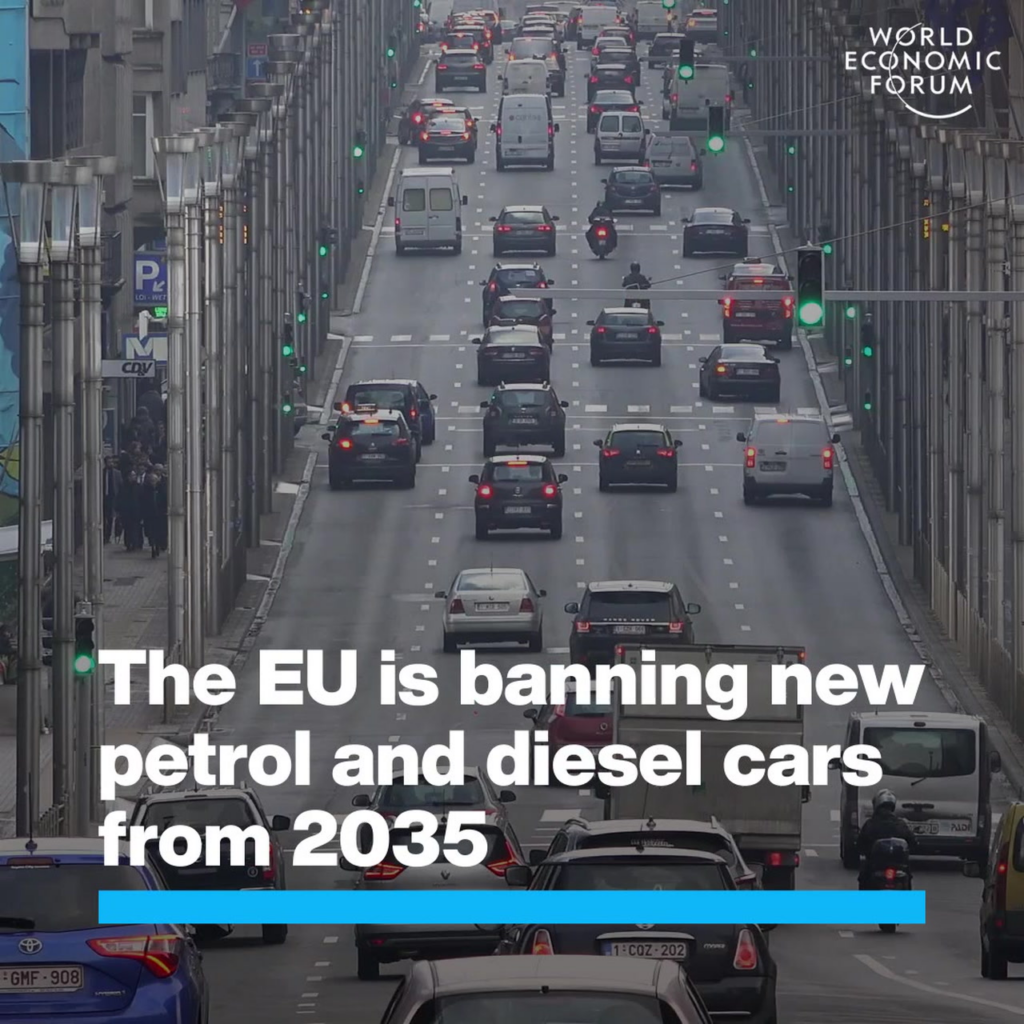
The recent EU petrol and diesel car ban has stirred significant debate across Europe, as the bloc’s ambitions to combat climate change evolve. Initially celebrated as a landmark achievement in the automotive sector in 2023, the ban faced backlash that led to its retraction. Now, automakers are required to achieve a 90% reduction in emissions from new cars instead of the original goal of 100%, amidst escalating competition from Chinese manufacturers. This shift reflects the EU’s delicate dance between climate commitments and economic viability, as it aims to bolster electric vehicle sales in Europe while still supporting its struggling automotive industry. As the EU green ambitions continue to unfold, the automotive sector must navigate new regulations alongside its emissions reduction goals.
In the wake of changing policies, the retraction of the ban on petrol and diesel vehicles marks a pivotal moment for Europe’s car manufacturers and environmental strategy. This adjustment, referred to as the 2023 EU car ban rollback, signifies a reconsideration of how best to address climate change while fostering growth in the automotive sector. As the focus shifts towards supporting manufacturers, emissions reduction strategies are now being tailored to accommodate a range of combustion and hybrid vehicles. This balancing act showcases the complex relationship between sustainability efforts and market pressures, as electric vehicle adoption remains a critical factor in achieving climate objectives. With a broader scope of regulatory measures, the EU aims not only to enhance the transition to greener alternatives but also to combat rising challenges in the automotive landscape.
The EU’s Petrol and Diesel Car Ban: A Shift in Strategy
The European Union’s initial commitment to enforce a ban on new petrol and diesel cars by 2035 was hailed as a groundbreaking move towards sustainable transportation. This decision, part of the 2023 EU car ban initiative, was intended to significantly curtail the emissions from the automotive sector, aligning with the EU’s broader climate change ambitions. However, this ambitious target has recently been softened in response to lobbying from automakers and economic pressures, highlighting the ongoing tension between industrial growth and environmental sustainability.
As the EU retracts its definitive timeline for phasing out combustion engines, it simultaneously sets a new benchmark, requiring a 90% reduction in exhaust emissions for new vehicles compared to 2021 levels. Although the primary goal of the ban has been diluted, it reflects a pragmatic approach to balancing the EU’s green ambitions with the needs of a struggling automotive sector, showcasing the complex dynamics of policy-making in the context of climate change.
Impact of the 2035 Ban Retraction on Electric Vehicle Sales in Europe
The retraction of the EU’s petrol and diesel car ban has substantial implications for electric vehicle (EV) sales across Europe. As manufacturers are now permitted to continue selling a limited number of combustion-engine vehicles past 2035 while offsetting their emissions, the anticipated surge in electric vehicle adoption might be tempered. Recent industry statistics revealed that, as of 2025, only 16% of new cars sold are battery-powered, a figure that could stagnate further without decisive legislative support for EV infrastructure.
To overcome barriers such as high initial costs and inadequate charging infrastructure, France, Spain, and other EU countries argue that a clear commitment to phasing out combustion engines is essential. Without the pressures of the once-strict petrol and diesel car ban, the transition to electric vehicles in the EU may lag, hindering the bloc’s ability to achieve its climate objectives and in turn compromising the overall momentum towards reducing carbon footprints in the automotive sector.
Environmentalists warn that the dilution of these emissions targets could result in continued reliance on fossil fuels, ultimately undermining years of advocacy for a greener automotive landscape. Consequently, policymakers must consider how to incentivize EV adoption amidst relaxing restrictions on traditional vehicle production.
Navigating EU Green Ambitions Amidst Economic Pressures
The EU’s green ambitions are facing unprecedented challenges as the economic pressures on the automotive sector compel stakeholders to reevaluate the path to sustainability. The recent policy shifts signify an attempt to balance economic viability and environmental goals, as stakeholders argue that auto industry stability is essential for broader economic health. Advocates for the automotive sector maintain that stringent regulations could lead to job losses and factory closures, prompting the EU to adopt a more lenient approach.
As the EU embarks on this new strategy, it remains crucial to ensure that the rollback on emissions targets doesn’t jeopardize the progress made towards its climate change objectives. Advocates emphasize that any easing of restrictions on emissions must be paired with robust support for technological advancements in clean energy and electric vehicles. The commission’s observation to adapt strategies allows for necessary flexibility to navigate the complexities of fostering a green economy.
Mitigating Emissions Through Innovative Measures
In response to the revised cars ban, the EU has introduced innovative measures that aim to mitigate emissions while preserving market viability. For instance, the proposal to allow automakers to maintain a limited number of combustion-engine vehicles grants flexibility, albeit with new emissions offset requirements. The initiative ties in with the broader context of automakers’ emissions reduction efforts, requiring companies to engage in sustainable practices, such as adopting low-carbon steel in manufacturing.
These measures highlight the European Commission’s intent to support manufacturers while steering them towards greener solutions. By upholding emission goals through compensatory methods such as carbon credits, the EU is not abandoning its commitments but rather restructuring how those commitments are achieved within the realities of market demands.
Support Mechanisms for Europe’s Automotive Industry
The EU’s recognition of the automotive industry’s struggles has led to the introduction of support mechanisms designed to assist manufacturers during this transitional phase. As the sector contemplates new strategies following the retraction of the petrol and diesel car ban, proposals such as ‘super credits’ for small electric cars aim to incentivize the production of affordable EVs. This approach aims to facilitate the achievement of emissions targets while counterbalancing revenue losses from traditional vehicle sales.
Additionally, the plan includes proposed financial assistance for battery manufacturers within Europe to bolster local industries crucial to EV production. Granting €1.5 billion in interest-free loans, the EU is demonstrating its commitment to fostering a robust electric vehicle market while ensuring the sustainability of its automotive sector. These measures are essential in helping car manufacturers transition smoothly towards a greener future.
The Role of Corporate Responsibility in the Automotive Transition
As the EU pushes for more stringent emissions standards amidst the recent policy shifts, corporate responsibility becomes paramount for automakers looking to align their strategies with the EU green ambitions. Companies must actively seek to reduce their carbon footprints, engage in transparency, and invest in sustainable technologies to remain competitive in a rapidly changing market. This focus on corporate responsibility is vital for maintaining consumer trust and achieving long-term viability in a post-combustion engine era.
The automotive sector’s ability to innovate in fuel-efficient technologies and electric vehicles reflects a growing recognition of the need to address climate change. Firms that prioritize sustainability can tap into the burgeoning demand for cleaner, greener vehicles, positioning themselves advantageously within the EU market. As the automotive shift progresses, it is imperative that manufacturers balance profitability with responsible practices that emphasize environmental stewardship.
The Importance of Infrastructure Development for EV Adoption
The shift towards electric vehicles hinges significantly on the development of robust infrastructure. As highlighted by the EU’s current situation, inadequate charging facilities hinder the adoption of EVs, underlining the essential role that infrastructure plays in facilitating this change. A comprehensive network of charging stations is crucial for alleviating consumer concerns related to charging accessibility, range anxiety, and overall confidence in transitioning to electric vehicles.
Without substantial improvements to infrastructure, such as increased availability of fast chargers across the EU, the goals of emissions reduction envisioned by the 2023 EU car ban will remain elusive. It is important for European governments and the European Commission to collaborate closely with automakers and energy providers to create a supportive ecosystem that fosters the growth of electric vehicles, ensuring multifunctional strategies that prioritize convenience, reliability, and sustainability.
Global Implications of the EU’s Automotive Policy Changes
The reevaluation of the EU’s automotive policies does not only impact the internal market but also resonates globally. As the EU shifts focus towards a more lenient stance on petrol and diesel vehicles, countries around the world observe and react to these changes, considering their implications for international trade and environmental policies. The adjustment reflects the reality of an interconnected global automotive industry, where decisions in one region can influence market dynamics elsewhere.
Countries like China and the United States, which are also advancing their electric vehicle agendas, will be watching how the EU balances economic growth with sustainability. The response from global competitors may signal shifts in production strategies, investments in clean technology, and the overall competitive landscape. Ultimately, how the EU navigates this complex territory could set precedents for sustainable automotive practices on a worldwide scale.
Future Prospects for the European Automotive Sector
The future of the European automotive sector is entwined with the ability of stakeholders to innovate and adapt in the face of policy changes and market fluctuations. With the EU’s current strategy focusing on reducing emissions while offering concessions to traditional manufacturing, the path forward encompasses both opportunities and challenges. Industry leaders must embrace technological advancements and accelerate electric vehicle production to compete effectively within a rapidly evolving landscape.
Looking ahead, the commitment of automotive players to produce environmentally friendly vehicles will determine the sector’s success. Balancing the dual pressures of meeting emissions targets and ensuring economic viability requires strategic foresight, collaborative efforts, and a strong focus on sustainability that aligns with the EU’s climate commitments. With strategic investments in innovative solutions, the automotive industry can help steer Europe towards a greener future.
Frequently Asked Questions
What is the current status of the EU petrol and diesel car ban after the 2023 changes?
The EU petrol and diesel car ban, originally set for full implementation by 2035, has been adjusted. Instead of an outright ban, automakers must now reduce exhaust emissions by 90% from 2021 levels, allowing limited sales of new petrol and diesel cars and hybrids beyond 2035. This change focuses on supporting the automotive sector while still aiming to meet climate objectives.
How does the 2023 EU car ban affect automakers and their emissions reduction targets?
Under the revised 2023 EU car ban, automakers are required to cut emissions by 90% compared to 2021 levels. This represents a downgrade from the former 100% reduction goal. Additionally, manufacturers can offset emissions through carbon credits from using low-carbon materials and alternative fuels, allowing some flexibility in achieving these targets.
What implications does the EU green ambitions oversight have on climate change in the automotive sector?
The EU green ambitions continue to prioritize climate change mitigation, albeit with a more pragmatic approach. While the ban on new petrol and diesel cars is softened, the focus remains on reducing overall emissions in the automotive sector. Critics argue that this compromise may hinder the transition to electric vehicles and slow progress in reducing greenhouse gas emissions.
Why did the EU retract the full petrol and diesel car ban originally set for 2035?
The EU retracted the full petrol and diesel car ban to alleviate pressures faced by the automotive sector, especially in light of competition from China and challenges in the transition to electric vehicles. This decision was influenced by lobbying from automakers and complaints regarding job cuts and manufacturing concerns, aiming to balance economic growth with environmental goals.
What measures are in place to support electric vehicle sales in Europe amidst the changes to the car ban?
To promote electric vehicle sales in Europe, the EU plans to incentivize manufacturers by providing ‘super credits’ for small affordable EVs, adjusting emission target deadlines, and allocating €1.5 billion to support battery production. Businesses will also have to meet minimum targets for greener vehicle fleets to stimulate demand for zero- or low-emission vehicles.
How significant is the role of road transport emissions in the context of the EU petrol and diesel car ban?
Road transport is responsible for about 20% of total greenhouse gas emissions in Europe, with 61% of these emissions stemming from vehicle exhaust. The revised EU petrol and diesel car ban reflects the need to address this significant source of emissions while balancing the transition to more sustainable transportation options.
What are the proposed strategies for balancing economic growth and EU green ambitions in the automotive sector?
The EU’s strategy for balancing economic growth with green ambitions includes easing certain regulations on emissions while promoting electric vehicle adoption. Measures such as emission credits for electric vehicle sales, financial support for battery manufacturers, and flexible targets for vehicle emissions help retain a focus on climate change without jeopardizing the automotive industry’s viability.
What technologies will remain available to automakers post-2035 under the new EU car ban policy?
Post-2035, automakers will still be permitted to sell a limited number of petrol, diesel, and plug-in hybrid vehicles but will need to offset their emissions. This allows continued access to combustion-engine technologies while progressively transitioning to electric vehicles and fulfilling emission reduction commitments.
| Key Point | Details |
|---|---|
| Retraction of Ban | The EU retracted the ban on new petrol and diesel cars by 2035, shifting focus to support the automotive sector. |
| Emissions Reduction Target | Automakers must reduce exhaust emissions by 90% from 2021 levels, down from the proposed 100%. |
| Manufacturers Allowed Polluting Vehicles | A limited number of polluting vehicles can still be sold if offset with carbon credits. |
| Industry Support Measures | The EU introduced additional measures, like ‘super credits’ for small electric cars, to support the auto industry. |
| Concerns Over EV Transition | Critics warn that abandoning the ban may slow down the transition to electric vehicles and harm the green agenda. |
| Green Fleets Mandate | Companies will be required to ensure that at least 30% of new vehicle acquisitions are zero- or low-emission. |
Summary
The EU petrol and diesel car ban was seen as a major step towards addressing climate change, but the recent retraction of this planned ban highlights the need to balance environmental goals with economic realities. The EU is now aiming for a 90% reduction in emissions from new vehicles instead of a complete ban by 2035. This significant shift reflects the increasing pressure on the automotive industry amidst economic challenges, while critics warn it could hinder progress towards electric vehicle adoption and compromise the EU’s environmental objectives.