
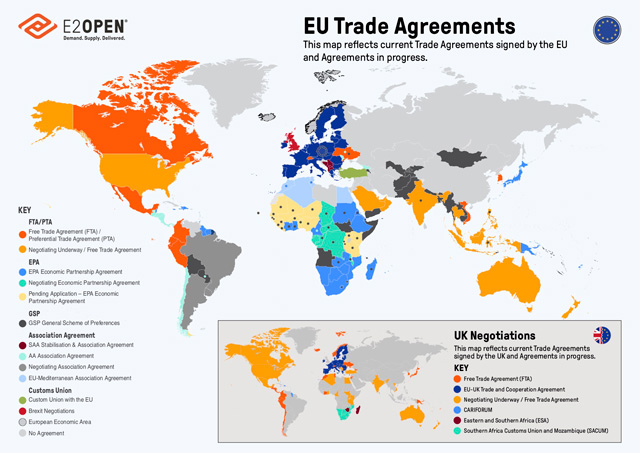
The EU South America Free Trade Agreement is sparking intense debate and concern, particularly among European farmers who fear for their livelihoods amidst the impending changes. This landmark deal aims to eliminate tariffs on nearly all goods traded between Europe and South America over the next 15 years, a move that supporters argue could strengthen trade relations and create opportunities in the global market. However, recent farmers’ protests in Brussels underscore the anxiety surrounding the agreement, as many worry it may undermine European agriculture, leading to significant economic disruptions. The controversial Mercosur agreement, which involves countries like Brazil, Argentina, and Uruguay, could reshape food supply chains and agricultural exports, but at what cost? As opposition grows within European nations, the outcome of this trade pact remains precarious, prompting ongoing discussions about the future of EU trade deals and their implications for local farmers and producers.
The South American Free Trade Agreement with the EU, often referred to as the Mercosur agreement, has emerged as a pivotal topic in international trade discussions. This extensive treaty seeks to foster economic ties by progressively reducing tariffs between the continents, while raising questions about the protection of local industries and agricultural standards. Detractors, particularly within European agricultural sectors, express apprehension that such trade agreements could diminish their competitive edge in favor of cheaper imports from South America. As farmers in Brussels rally against these developments, the broader implications for EU trade relations with Latin America and global economic dynamics are increasingly under scrutiny. This trade initiative, long in negotiation, highlights the intricate balance between promoting free trade and safeguarding domestic agricultural interests.
Farmers Protest Against the EU-South America Free Trade Agreement
In Brussels, a significant protest erupted as farmers took to the streets to voice their opposition to the EU-South America Free Trade Agreement. With tractors blocking roads and fireworks lighting the skyline, the demonstrations underline a growing concern among European agricultural workers. The protesters emphasized how the agreement threatens their livelihoods by setting the stage for reduced tariffs over the next 15 years, potentially flooding the market with cheaper South American agricultural products. This dynamic could severely undermine local farming practices and lead to significant job losses within the agricultural sector.
The protest not only highlights the discontent among farmers but also mirrors a larger political struggle against economic globalization, which many fear prioritizes profit over environmental sustainability and food safety. Farmers argue that while free trade can enhance markets, it comes at a severe cost to local agricultural practices and rural communities. The looming threat of such a comprehensive trade deal reignites fears over the EU’s approach to trade negotiations, particularly in relation to the potential influx of agricultural products from nations like Brazil and Argentina, whose farming standards may differ substantially from those in Europe.
Political Tensions Surrounding the Mercosur Agreement
The EU-Mercosur agreement has become a focal point of contention within European politics, as evidenced by the diverse reactions from member states. France and Italy have been vocal in their opposition, fearing that the agreement could compromise local agricultural standards and intensify the rise of populist movements within the EU. Particularly in France, concerns are heightened about how these changes could bolster the far-right factions that leverage economic anxieties to gain political traction. Farmers’ unions are mobilizing significant support against the deal, reflecting the sentiment that these trade agreements require not only economic consideration but also a safeguarding of cultural and social values affected by international trade.
Significantly, Italy’s Prime Minister Giorgia Meloni has taken a cautious stance on the signing of the agreement, advocating for adequate protections for the Italian agricultural sector. Her government’s resistance might provide the leverage needed to force the EU leaders to reconsider provisions that affect farmers across Europe. As debates swirl around the potential ramifications of the Mercosur agreement, the political climate is charged. The EU must navigate the delicate balance between fostering international trade relations and protecting its own industry from external competition, making this an exceptionally critical moment in European agricultural policy.
Implications of the EU-South America Trade Relations on Agriculture
The ramifications of extensively negotiated trade agreements like the EU-South America Free Trade Agreement extend far beyond simple tariff reduction. Critics argue that such agreements risk diluting stringent European agricultural regulations aimed at safeguarding consumer health and environmental sustainability. For instance, the rise of South American agricultural exports could mean increased competition for European farmers who are bound by stricter environmental regulations, which could be seen as unfair in a global market. This imbalance raises critical questions about the future of European agriculture, as farmers grapple with the prospect of competing against less regulated agricultural products.
Moreover, the EU’s trade relations with South America come at a time when climate change poses unprecedented challenges to agriculture. The urgency for Europe to maintain high standards for food quality and sustainability is paramount, particularly as citizens become increasingly aware of how agricultural practices affect both health and the environment. As the EU engages in this free trade agreement with Mercosur countries, it will need to focus on integrating measures that promote sustainable farming practices within these new trade dynamics. Without such frameworks, the EU risks undermining its own agricultural sector while inadvertently promoting practices that may not align with its environmental goals.
Navigating Geopolitical Competition in Latin America
The EU’s engagement with South America is not merely about economic benefits; it also represents a broader geopolitical strategy amid rising competition from powers like China and the United States. As the EU seeks to solidify its influence in Latin America, it must recognize that the support for emerging markets in regions like Mercosur is intertwined with global power dynamics. Agathe Demarais, a prominent analyst, argues that failing to effectively ratify the EU-Mercosur trade agreement may push these nations closer to China’s economic model, which could shift the balance of regional influence and trade opportunities.
Thus, it is crucial for the EU to strike a dual balance: the desire for open markets and trade development while ensuring that regional alliances do not open avenues for less favorable economic policies. As Brazil’s President Lula de Silva seeks to solidify his political success through favorable agreements, the EU must carefully balance its own agricultural priorities against the need for deeper economic integration with South America. Understanding these geopolitical nuances will be vital as the EU presses forward in negotiations and seeks to establish stronger ties across the Atlantic.
Economic Benefits vs. Environmental Concerns in Free Trade Agreements
Supporters of the EU-South America Free Trade Agreement argue that the economic benefits could outweigh the potential downsides, claiming that it would create new opportunities for job creation and increase market accessibility for European products in South America. The sheer scale of the proposed agreement—potentially connecting 780 million consumers—offers significant prospects for growth. Proponents emphasize that by reducing tariffs, the agreement could foster closer trade ties, making European companies more competitive in the Latin American market.
However, these economic arguments often clash with pressing environmental concerns that arise in conversations about free trade. Many critics question whether the proposed trade deal will lead to the perpetuation of practices detrimental to the environment, such as deforestation and the use of chemicals in agriculture. The challenge lies in ensuring that both sides of the trade agreement uphold environmental standards that match Europe’s rigorous expectations. Striking this balance between economic development and environmental preservation will be a key concern for stakeholders as they navigate the complexities of the agreement.
Local Reactions to the Free Trade Agreements: Farmers’ Perspectives
From the grassroots level, the farmers’ protests in Brussels are a direct reflection of local sentiments toward globalization and free trade. Farmers express deep-seated fears that the EU-South America Free Trade Agreement might undermine their livelihoods and the cultural heritage associated with European agricultural practices. Agricultural workers feel threatened by the prospect of cheaper imports from South America, which could depress local prices and push many farmers out of business. The protests indicate a broader struggle for recognition and support for local food systems against the backdrop of global market forces.
Many farmers advocate for a re-evaluation of how trade agreements are negotiated, calling for more transparency and inclusiveness in the process. This desire for greater involvement stems from the recognition that while free trade may present short-term economic gains, the long-term implications on food security, rural economies, and traditional farming practices must be prioritized. These farmers push for an active role in shaping the terms of trade agreements that directly impact their way of life, emphasizing the need for policies that are developed with their input rather than imposed upon them.
The Role of Political Alliances in Shaping Trade Policies
In the context of the EU-Mercosur agreement, political alliances within the European Union play a crucial role in determining the fate of trade policies. Countries like Italy and France are forming coalitions to press for changes to ensure the protection of their agricultural sectors, showcasing how inter-state alliances can reshape the discourse surrounding international trade agreements. These alliances emphasize the importance of collective bargaining power, where smaller nations can band together to influence larger economic policies at the EU level.
Political dynamics within the EU also reflect the rising tensions around globalization and trade presented by the populist movements in various member states. This backdrop raises awareness among policymakers that public sentiment should not be ignored when negotiating vital agreements. The gathering clouds of opposition against the Mercosur agreement within the EU suggest that without strong political alliances advocating for farmers’ interests, the agreement’s implementation could spiral into a contentious issue with far-reaching implications for European trade policy.
Addressing Concerns Over Environmental Standards in Trade Deals
As discussions surrounding the EU-South America Free Trade Agreement continue, the discourse increasingly includes a call for stringent environmental standards in agricultural production. Critics urge that any agreement must compel South American countries to adhere to higher environmental regulations regarding farming practices and sustainability. There is a growing recognition that environmental protection must not be sacrificed in the name of free trade. As Europe confronts its climate responsibilities, ensuring that partners in trade agreements can meet similar standards is essential for worldwide ecological efforts.
This increasing emphasis on ecological considerations has led to proposals from various EU member states advocating for enhanced monitoring of agricultural goods entering from Mercosur countries. These suggestions seek to guarantee that products meet rigorous European health and safety standards, addressing public concerns about the potential influx of harmful agricultural practices. If properly implemented, these protective measures can create a framework that upholds environmental integrity while also allowing for beneficial trade relationships between Europe and South America.
The Future of EU-Mercosur Trade Relations and Agricultural Policy
Looking ahead, the interaction between the EU and Mercosur nations hinges on a delicate balancing act; nurturing agricultural trade while safeguarding local interests remains a top priority. As the agreement moves toward finalization, European leaders will need to determine how to incorporate provisions that protect agricultural jobs and ensure that farming practices remain sustainable and aligned with the EU’s environmental ambitions. This approach will not only shape the future relationship with South America but also redefine the EU’s agricultural policy framework in the context of global trade.
A critical element for the future will be ongoing communication and collaboration between policymakers, farmers, and advocacy groups to ensure that the realities of agricultural life are factored into trade negotiations. Transparency and inclusivity in policymaking will be key to fostering a trade environment that benefits all stakeholders, paving the way for a balanced and equitable approach to international trade that respects local traditions and economic realities. Only time will reveal how effectively the EU-Mercosur Free Trade Agreement navigates these complex challenges to foster a thriving transatlantic relationship.
Frequently Asked Questions
What is the EU South America Free Trade Agreement and how does it affect European agriculture?
The EU South America Free Trade Agreement, specifically the Mercosur agreement, aims to eliminate tariffs on a wide range of goods traded between Europe and South America over the next 15 years. This gradual removal of tariffs is causing significant concerns among European farmers, as many fear it will jeopardize their livelihoods by increasing competition from South American agricultural products.
Why are farmers protesting against the EU South America Free Trade Agreement in Brussels?
Farmers in Brussels are protesting against the EU South America Free Trade Agreement due to fears that the deal will threaten their livelihoods by lowering tariffs on imports from South America, particularly from Mercosur countries like Brazil and Argentina. The protests, including roadblocks and fireworks, reflect widespread anxiety about the impact of the agreement on European agriculture.
What are the political implications of the EU South America Free Trade Agreement for Europe?
The EU South America Free Trade Agreement has significant political implications as it may bolster far-right sentiments among agricultural communities in Europe. Concerns about the agreement are leading some EU nations, particularly France and Italy, to push for safeguards to protect local farmers and potentially delay the signing of the Mercosur deal, showing a growing divide within the EU about trade relations.
How does the EU South America Free Trade Agreement relate to global trade dynamics?
The EU South America Free Trade Agreement, particularly the Mercosur agreement, is crucial in the context of global trade dynamics as it represents a strategic effort by Western nations, including the EU, to counter China’s influence in Latin America. This trade deal aims to enhance economic ties with South American countries, offering a viable alternative to reliance on China and the US, thereby reshaping trade relations on a global scale.
What are the expected outcomes if the EU South America Free Trade Agreement is signed?
If the EU South America Free Trade Agreement is signed, it is expected to create a substantial trading bloc representing 780 million consumers and comprising a quarter of the global GDP. Proponents argue it could enhance competitiveness and economic cooperation between Europe and South America, while critics warn it may undermine environmental standards and adversely affect the EU’s agricultural sector.
What actions are EU leaders considering regarding the EU South America Free Trade Agreement?
EU leaders are currently considering various actions regarding the EU South America Free Trade Agreement, including potential amendments to the deal based on the concerns raised by member states like France and Italy. Discussions are ongoing about implementing safeguards for the agricultural sector and ensuring regulatory measures are in place before finalizing the Mercosur agreement.
How long has the EU South America Free Trade Agreement been in the making?
The EU South America Free Trade Agreement has been in negotiation for an extended period, spanning over 25 years. This lengthy process reflects the complexities involved in aligning the interests of the diverse nations within the EU and the Mercosur bloc, highlighting the challenges of achieving comprehensive trade agreements.
| Key Points | Details |
|---|---|
| Protests by Farmers | Farmers blocked roads in Brussels to protest the EU-South America Free Trade Agreement due to fears of economic threats to their livelihoods. |
| Impact on Agriculture | The agreement aims to eliminate tariffs on goods traded with South America, which farmers believe will give South American producers an unfair advantage. |
| Political Implications | Some EU countries, like Italy and France, are hesitant about signing the agreement and are concerned about rising far-right support due to economic fears. |
| Geopolitical Context | The agreement is seen as a strategic move against China’s influence in Latin America and aims to create a counterbalance to U.S. protectionism. |
| Urgency to Finalize Agreement | Brazil’s President Lula and other South American leaders are under pressure to finalize the deal quickly amid political uncertainties. |
| Opposition within the EU | With countries like Italy and France expressing opposition, EU Commission President von der Leyen needs significant support to finalize the deal. |
Summary
The EU South America Free Trade Agreement is a pivotal agreement set to reshape trade relations between Europe and South America. While it promises to open up markets and enhance economic cooperation, significant pushback from European farmers highlights the delicate balance needed to protect local industries. As the EU navigates political tensions and economic concerns, the agreement’s potential to create a strong economic alliance against global powers like China remains a critical point of discussion.