
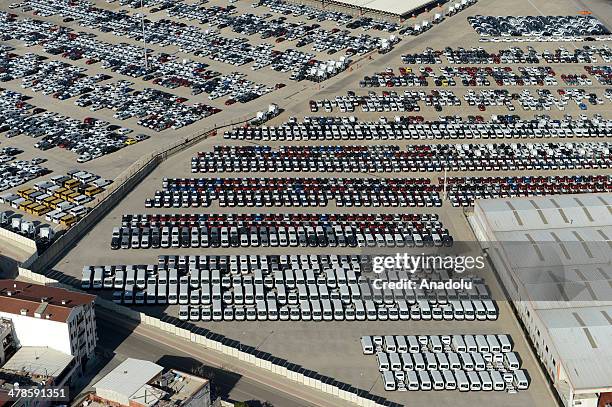
The Renault Bursa plant stands as a beacon of innovation in the realm of automotive manufacturing, strategically located in Turkey’s bustling Bursa region. This state-of-the-art factory is not just the heart of Renault’s operations in Turkey; it plays a pivotal role in the European car production landscape. With 5,600 skilled employees and a fleet of 800 robots, it efficiently churns out the brand’s top-selling models while maintaining a remarkable speed of one vehicle per 56 seconds on the assembly line. This impressive output highlights the advancements in robotic manufacturing in cars and reflects Turkey’s growing prominence as a key player in the global automotive industry. The facility’s maximum production capacity of 390,000 units per year underscores its vital contribution to meeting the demand for quality vehicles in the European market.
Renault’s manufacturing hub in Bursa is a significant player in the automotive sector, showcasing the blend of technology and craftsmanship in vehicle production. As a prominent facility in Turkey, it serves as a critical point in the car-making process, bridging European demands with efficient production practices. The integration of advanced machinery and a skilled workforce sets this factory apart, exemplifying modern assembly line techniques that resonate with international standards. Moreover, the strategic location within a vibrant industrial ecosystem further enhances its role in automotive logistics and supply chain management. This impressive facility not only signifies Renault’s commitment to quality but also highlights Turkey’s potential in the global automotive arena.
Overview of the Renault Bursa Plant
The Renault Bursa plant is a cornerstone of automotive manufacturing in Turkey, strategically located to serve as a critical hub for vehicle production. With a workforce of 5,600 employees and the precision of 800 robotic units, this facility epitomizes modern manufacturing. Not only is it critical to Renault’s global supply chain, but it also supports the local economy through job creation and technological advancement. The plant’s location helps it tap into a vast network of suppliers, including giants like Stellantis and Toyota, which enriches the automotive manufacturing ecosystem in the region.
Every 56 seconds, a new Renault vehicle rolls off the assembly line, showcasing the efficiency and advanced logistics of the Bursa plant. The facility boasts a maximum production capacity of 390,000 vehicles per year, emphasizing its role as a leading player in Bursa car production. The integration of robotic manufacturing in cars demonstrates Renault’s commitment to technological advancement, allowing for higher precision and reduced production times. This relentless pace, combined with the employee-operated systems, not only meets the European Union’s demand for vehicles but also sets a benchmark for other manufacturing plants globally.
The Role of Robotics in Renault’s Operations
Robotic manufacturing has revolutionized operations at the Renault Bursa plant, enhancing productivity and consistency while reducing human error. The facility utilizes over 800robots, which are integral to various stages of production, from assembly to quality control. These robots work alongside skilled workers, enabling a harmonious blend of human expertise and advanced technology. The result is a highly efficient assembly line that produces best-selling models swiftly to meet market demands.
With the help of these sophisticated robots, Renault has been able to maintain a continuous flow of production. By allowing robots to handle repetitive tasks, the human workforce can focus on quality assurance and complex problem-solving, enhancing the overall manufacturing process. This hybrid approach not only boosts efficiency but also ensures a safer working environment by minimizing the risk of workplace accidents associated with manual labor.
Employee Experience at Renault Bursa
Working at the Renault Bursa plant offers employees unique advantages, notably competitive wages that are above the current net minimum wage in Turkey. This competitive pay structure is vital, especially when industrial labor costs in the region are markedly lower than in Western Europe, making Turkey an attractive destination for automotive manufacturing. The company’s commitment to investing in its workforce ensures higher employee satisfaction and retention, fostering a culture of continuous improvement and productivity.
Moreover, Renault has embraced digital transformation by providing its employees with state-of-the-art technology, such as connected tablets. These devices empower workers to perform their tasks efficiently while staying connected with the entire supply chain process. The rotation of shifts fosters a dynamic work environment, ensuring that employees are well-adapted to various roles and responsibilities within the production line, enhancing their skill set and adaptability.
Global Impact of the Renault Bursa Plant
The global automotive landscape is continually evolving, and the Renault Bursa plant plays a pivotal role in this transformation. As one of the key players in the automotive manufacturing industry, this facility contributes significantly to Renault’s international operations. The plant supports the European market’s growing demand for affordable yet reliable vehicles, thereby solidifying Renault’s presence in a highly competitive field. By facilitating a robust production output, the Bursa plant not only serves the needs of its parent company but also enhances the automotive industry in Turkey.
Additionally, the strategic positioning of the Renault factory in Turkey allows it to capitalize on logistical benefits, reducing shipment times to European markets. This efficiency ensures that Renault can rapidly respond to consumer trends and demands, maintaining their competitiveness. The plant acts as a bridge, linking various regional suppliers to the larger global supply chain, demonstrating the vital role of such manufacturing hubs in a globalized economy.
Future Outlook for the Renault Bursa Plant
As Renault continues to navigate the complexities of the automotive industry, the Bursa plant is expected to evolve alongside emerging technologies and consumer preferences. With an increasing focus on sustainable practices, the facility is likely to explore innovative production methods that align with global trends toward electric vehicles and eco-friendly manufacturing. This foresight will not only help Renault stay ahead of its competitors but also contribute positively to environmental sustainability.
Investing in research and development at the Bursa plant will also be critical. As automotive manufacturing shifts towards automation and smarter technologies, Renault aims to enhance its manufacturing capabilities through collaborations with tech firms. The integration of advanced robotics and AI in car production will enable Renault to optimize its assembly lines, further streamlining operations and raising efficiency standards, positioning the Bursa plant as a model for future automotive manufacturing.
Bursa Plant’s Contribution to the Local Economy
The Renault Bursa plant has a significant impact on the local economy, serving as a major employer and contributor to Turkey’s automotive sector. With thousands of jobs directly associated with the plant, it provides opportunities for skilled workers and creates a ripple effect in the local community. The presence of the plant has stimulated local businesses, from suppliers to service providers, creating a thriving environment for economic growth in the region.
Moreover, as the plant continues to expand its operations, community development initiatives are also likely to grow. The commitment to corporate social responsibility ensures that Renault plays a positive role in local development, whether through direct investment in community projects or by fostering new skills and training programs that nurture the local workforce.
Quality Control Measures at Renault Bursa
Quality control is paramount at the Renault Bursa plant. The facility adheres to stringent quality assurance protocols that guarantee each vehicle meets Renault’s high standards before it reaches the market. This commitment to excellence is supported by advanced inspection technology and a dedicated team focused on ensuring that every aspect of the manufacturing process is scrutinized. These measures not only enhance product reliability but also reinforce customer loyalty—a crucial factor in the competitive automotive sector.
Included in the quality control process is the integration of robotic systems, which perform consistent and precise inspections throughout the assembly line. The combination of human oversight and robotic accuracy ensures nothing slips through the cracks, safeguarding the integrity of the final product. This meticulous attention to detail reinforces Renault’s reputation for producing reliable vehicles, a vital aspect for maintaining market share in the automotive industry.
Sustainability Initiatives at Renault Bursa
Sustainability is becoming increasingly important in the automotive industry, and the Renault Bursa plant is taking significant strides to reduce its environmental footprint. The facility actively evaluates its operational practices to implement eco-friendly measures, such as reducing energy consumption and minimizing waste throughout the production process. By adopting sustainable practices, Renault not only commits to environmental responsibility but also aligns itself with the growing consumer demand for green solutions.
In addition to eco-friendly production methods, the Bursa plant is exploring the use of alternative materials and recyclable components in its vehicles. These initiatives reflect a broader shift within the automotive sector toward sustainability. By focusing on creating more environmentally friendly vehicles, Renault aims to contribute positively to the fight against climate change while preparing for future regulatory changes that may affect the automotive landscape.
Innovations in the Renault Assembly Line
Innovation drives growth in the automotive manufacturing sector, and the Renault assembly line at the Bursa plant exemplifies this principle. By continuously integrating cutting-edge technology and modern manufacturing practices, Renault is able to enhance its production efficiency and adaptability to changing consumer needs. The use of smart manufacturing systems allows for real-time monitoring and adjustments, ensuring the lines produce high-quality vehicles quickly and effectively.
The implementation of Lean manufacturing principles further optimizes the Renault assembly line. This approach focuses on minimizing waste, maximizing productivity, and improving overall efficiency. As the automotive landscape evolves, the Bursa plant remains at the forefront of innovation, consistently seeking ways to refine its processes while maintaining high standards of quality, which ultimately benefits both the company and its customers.
Frequently Asked Questions
What is the Renault Bursa plant known for in the automotive manufacturing industry?
The Renault Bursa plant is known for its high production efficiency, where a Renault vehicle is produced every 56 seconds. With 5,600 employees and 800 robots, this facility plays a crucial role in Renault’s automotive manufacturing strategy, producing up to 390,000 units annually.
How many vehicles does the Renault factory in Turkey produce per year?
The Renault factory in Turkey, located in Bursa, has a maximum production capacity of 390,000 vehicles per year, catering to the demand for Renault’s best-selling models in the European market.
What kind of technologies are utilized in the Renault assembly line at the Bursa plant?
The Renault assembly line at the Bursa plant employs advanced robotic manufacturing technologies, with 800 robots operating alongside a dedicated workforce of 5,600 employees to ensure high efficiency and precision in car production.
What is the significance of the Renault Bursa plant in relation to other automotive manufacturers?
The Renault Bursa plant is strategically situated within a significant ecosystem of automotive manufacturers, including Stellantis and Toyota, which supports the regional supply chain and meets the European Union’s growing demand for new vehicles.
What type of working conditions can employees expect at the Renault Bursa plant?
Employees at the Renault Bursa plant benefit from competitive wages, which are 5% to 6% higher than Turkey’s minimum wage. They work in three shifts, utilizing high-tech connected tablets, and enjoy a collaborative work environment enhanced by robotic manufacturing.
How does the Renault Bursa production facility contribute to Renault’s global operations?
The Renault Bursa production facility is integral to Renault’s global operations, providing a significant number of vehicles to the European market and utilizing a combination of automotive manufacturing best practices and cutting-edge technology to maintain competitiveness.
What are the labor cost advantages of the Renault Bursa plant compared to France?
Labor costs at the Renault Bursa plant are approximately four times lower than those in France, enabling the company to maintain efficient production while offering better wages than the national minimum wage in Turkey.
How does Renault ensure quality control in its Bursa car production?
Renault maintains strict quality control in Bursa car production through advanced robotic systems and trained personnel who monitor every stage of the assembly line, ensuring that each vehicle meets the brand’s high-quality standards.
| Key Point | Details |
|---|---|
| Employee Count | 5,600 employees work at the Renault Bursa plant. |
| Robots Used | The facility utilizes 800 robots in its production line. |
| Production Frequency | A vehicle comes off the assembly line every 56 seconds. |
| Maximum Production Capacity | The plant can produce up to 390,000 vehicles annually. |
| Working Hours | Operations run 24/7, with three shifts per day. |
| Wage Comparison | Wages are 5% to 6% higher than Turkey’s minimum wage of €447/month. |
| Industrial Labor Cost | Labor costs are four times lower than in France. |
| Location Benefits | The plant is strategically positioned near manufacturers like Stellantis and Toyota. |
Summary
The Renault Bursa plant stands as a model of modern automotive production in Turkey, with its impressive workforce and advanced robotics facilitating the assembly of top-selling models. The strategic location within an ecosystem of manufacturers further enhances its operational efficiency, allowing Renault to meet the European Union’s growing demand for vehicles. With significant production capabilities and competitive labor costs, the Renault Bursa plant exemplifies the blend of technology and skilled labor crucial for success in today’s automotive industry.