
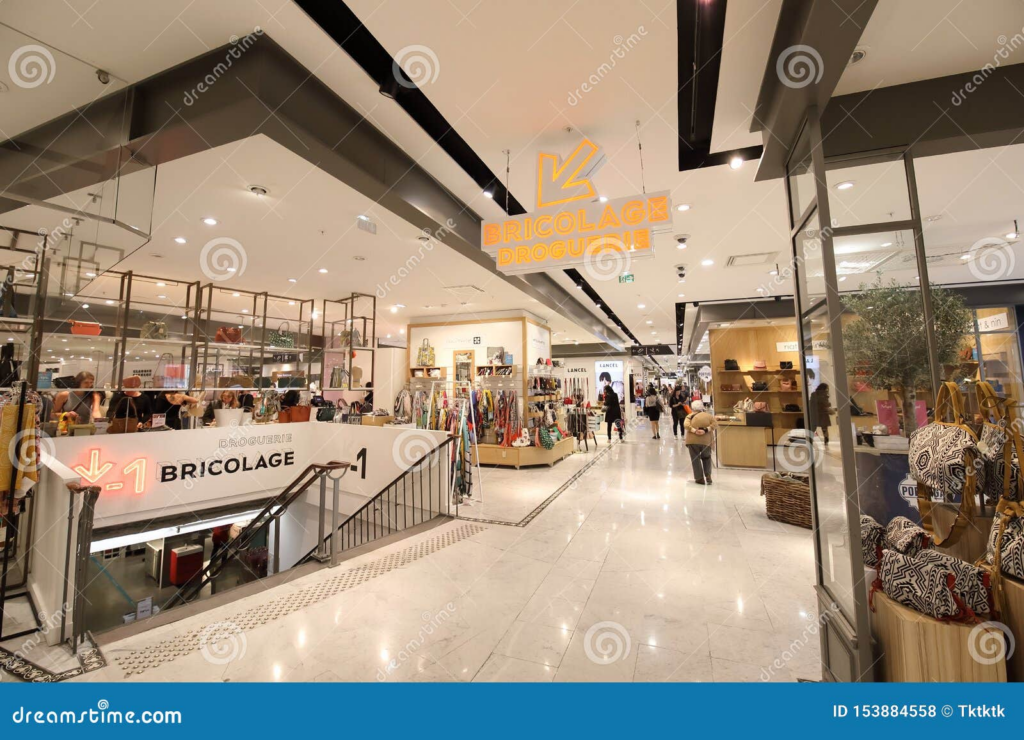
The BHV department store, an iconic Paris shopping destination, has recently made headlines with its tumultuous journey involving a crucial building acquisition from Galeries Lafayette. Frédéric Merlin, the controversial head of BHV, found himself unable to fulfill the terms of the acquisition agreement made two years prior, leaving many to speculate about the future of this beloved institution. With plans now stalling, the building will instead be sold to an anglophone player recognized for their prowess in real estate management, marking a significant turn in the store’s ownership narrative. BHV, located in the heart of Paris, has been a cornerstone of urban retail, attracting around 13 million visitors each year. As the dust settles on this unexpected outcome, the future of BHV’s operations remains under the watchful eye of both the public and industry experts.
In the realm of retail commerce, the recent developments surrounding the BHV department store reflect the complexities of real estate negotiations within Paris. This storied shopping venue’s anticipated building transaction with Galeries Lafayette highlights how influential figures, such as Frédéric Merlin, navigate the delicate balance of asset management and commercial strategy. As the iconic building on Rue de Rivoli becomes the subject of new ownership discussions, it’s essential to consider how this transition will impact both local shoppers and the broader Parisian retail landscape. With a proposed takeover by a distinguished foreign investor, BHV’s future operations are poised for transformation amidst the bustling culture of French shopping. Such changes underscore the dynamic nature of urban retail evolution, where heritage meets modern investment challenges.
Frédéric Merlin’s Ambition for the BHV Department Store
Frédéric Merlin has always been a figure of ambition in the retail sector, especially when it comes to the BHV department store. His vision was to transform BHV into an even more attractive shopping destination in Paris, contributing to the city’s vibrant commercial landscape. Merlin’s pursuit of acquiring the iconic building that houses the department store was a key part of his strategy. However, the recent announcement that the acquisition will not go through highlights the complexities he faces in the competitive world of real estate management.
Despite his best efforts, Merlin’s inability to finalize the purchase agreement with Galeries Lafayette raises questions about the future of BHV. With the building now being shopped to a different buyer, it is unclear how this will impact the operational strategies at BHV. While Merlin and his team at SGM (Société des Grands Magasins) have stated they will continue to run the store, the uncertainty of ownership might affect their long-term plans for expansion and branding.
The Impact of Galeries Lafayette’s Exclusive Negotiations
The decision by Galeries Lafayette to engage in exclusive negotiations with an anglophone player for the sale of the BHV building marks a significant shift in the Paris retail landscape. This new investor is expected to bring recognized expertise in real estate asset management, which could revitalize the iconic shopping experience in the French capital. This move not only reflects the competitive dynamics between retailers but also the demand for innovative management practices in the retail real estate sector.
For shoppers, this change could signal new opportunities for enhancements at BHV, especially with an investor who is experienced in managing high-profile properties. As the store attracts around 13 million visitors each year, maintaining and potentially improving its status as a leading Paris shopping destination is critical. The incoming buyer’s vision for the BHV building may incorporate modern marketing strategies, better customer service models, or enhanced amenities to maintain its desirability in a rapidly evolving retail market.
The Future of Real Estate Management in Paris
The intricacies of real estate management are increasingly coming to the forefront in Paris, highlighted by the recent events surrounding the BHV department store. As the city continues to be a premier shopping destination, the need for effective management of high-end retail properties has never been more essential. The anticipated acquisition of the BHV building by a savvy investor could be viewed as a case study in the evolving landscape of Parisian retail and real estate.
With ongoing changes in consumer behavior and shopping habits, the importance of strategic real estate management is vital. Investors and management firms must adapt to these shifts while ensuring retail locations like BHV continue to thrive. The outcome of the Galeries Lafayette negotiations may set a precedent for future real estate transactions, emphasizing the need for strategic partnerships and innovative management solutions in the Paris retail scene.
Challenges Faced by SGM in the BHV Acquisition
SGM (Société des Grands Magasins), led by Frédéric Merlin, faced significant challenges in securing the funding necessary for the acquisition of the BHV building. The projected budget of around €300 million proves to be a substantial hurdle, particularly in the competitive real estate environment of Paris. Despite Merlin’s intentions and plans to elevate the BHV experience, the financial realities have created a barrier to ownership.
The setback witnessed by SGM also sheds light on the volatility present in real estate acquisitions, especially in major urban centers like Paris. With other powerful players in the market, securing fiscal backing becomes a daunting task. As SGM approaches this obstacle, the prospect of remaining a tenant under a new ownership model might shift their operational strategies significantly, compelling them to rethink how they market and manage BHV moving forward.
Potential Implications for Parisian Retail
The ongoing saga of the BHV department store’s building acquisition has broad implications for the Paris retail scene. The potential change in ownership could influence not only the future of BHV but also the strategies adopted by other retailers in the area. The focus on bringing in an investor with extensive real estate management expertise suggests a trend towards professionalization in the oversight of retail properties in Paris.
As retail continues its evolution, shops like BHV must keep pace with consumer expectations and market changes. The strategic direction taken by the incoming buyer may lead to a revitalization of BHV’s offerings, impacting competition among established retailers across the city. This auspicious transition could serve as a blueprint for reimagining retail spaces in Paris, balancing historical significance with modern consumer engagement.
The Role of Iconic Parisian Stores in Tourism
Iconic stores like BHV play a vital role in attracting tourists to Paris, serving as not just shopping locations, but cultural landmarks. The foot traffic generated by visitors seeking the unique Parisian shopping experience significantly contributes to the local economy. With the potential change in ownership, there is an opportunity for the new investor to capitalize on BHV’s historic legacy and enhance its value as a tourist destination.
Understanding the role of these retail giants in tourism can lead to innovative marketing strategies that cater to both local shoppers and international visitors. Historical ties and unique offerings can set BHV apart from its competitors. The vision of a new management team could focus on creating memorable experiences that entice more guests to visit, reinforcing the store’s reputation as a must-visit locale within the vibrant landscape of Paris.
Real Estate Trends in the Parisian Market
The recent shift involving the BHV department store building underscores broader trends in the real estate market within Paris. The engagement of an anglophone investor suggests a potential influx of foreign capital and ideas into the French retail scene. With the rise of e-commerce, traditional retail spaces must adapt, leading to innovative rethinking of how properties are managed, marketed, and operated to attract both new investments and consumers alike.
As Paris positions itself competitively on the global stage, embracing such trends in real estate becomes crucial. The management expertise brought by new investors could catalyze the transformation of iconic sites like BHV into more versatile retail environments. Such developments might also influence urban planning and the future layout of commercial spaces in Paris, as stakeholders aim for a harmonious blend of heritage and modernity.
BHV’s Historical Significance in Retailing
BHV has a long-standing history as a cornerstone of the Parisian retail landscape, blending tradition with modern shopping experiences. Since its establishment, it has evolved to cater to the diverse needs of consumers, reflecting the changing trends in shopping. However, with the current uncertainty regarding its ownership, questions arise regarding how the store will navigate its rich heritage while embracing the future.
The historical significance of the BHV department store offers a unique narrative that can be leveraged to attract customers. As it faces ongoing challenges, capturing the essence of Paris’s vibrant retail history while implementing modern retail practices could set BHV apart in a crowded marketplace. The balance between maintaining its unique character and adapting to contemporary retail demands will be crucial in determining the store’s longevity and success.
The Competitive Landscape of Paris Retail
The competitive dynamics of the Paris retail market are continually evolving, with players constantly vying for consumer attention. The situation surrounding the BHV department store exemplifies the pressures faced by retailers in such a bustling environment. Maintaining relevance in this context requires adaptive strategies that not only address immediate financial concerns but also long-term brand positioning.
Understanding the competitive landscape of Paris involves recognizing the influence of significant players like Galeries Lafayette. As they engage in strategic negotiations, retailers such as BHV must innovate to enhance customer loyalty and differentiate their offerings. The pathway to success involves navigating intricate relationships within the market, balancing competition with collaboration to ensure a sustainable retail future.
Frequently Asked Questions
What major change is affecting the BHV department store in Paris?
The BHV department store, a famous Paris shopping destination, is currently undergoing a significant transition as Frédéric Merlin, its manager, failed to finalize the acquisition of the building from Galeries Lafayette. This development has sparked interest in the future of the department store.
Who is Frédéric Merlin in relation to the BHV department store?
Frédéric Merlin is the managing director of the BHV department store. Recently, he faced challenges in securing funds to acquire the building housing the store from Galeries Lafayette, which could impact the operations and future management of this iconic Paris landmark.
What does the acquisition of the BHV building imply for real estate management in Paris?
The intended acquisition of the BHV building involves an anglophone investor with expertise in real estate management, signaling a potential shift in property ownership strategies in Paris. This could influence how iconic shopping destinations like the BHV operate in the future.
How many visitors does the BHV department store attract annually?
The BHV department store is a popular shopping destination in Paris, attracting approximately 13 million visitors each year. Its strategic location on Rue de Rivoli contributes to its status among both locals and tourists.
What is the significance of the BHV building in Parisian shopping culture?
The BHV building is historically significant in Parisian shopping culture, having served as a hub for both locals and visitors. Its potential acquisition by a new investor raises questions about the future of this beloved department store and its role in the French capital’s retail landscape.
What steps is SGM taking following the acquisition setback of the BHV building?
Following the setback in acquiring the BHV building, SGM (Société des Grands Magasins) expressed optimism about the new buyer entering exclusive negotiations. They remain focused on finalizing the deal that would allow them to continue operating the BHV department store as a premier shopping destination.
| Key Point | Details |
|---|---|
| BHV Department Store Acquisition | Frédéric Merlin’s company, SGM, fails to buy the BHV building from Galeries Lafayette. |
| New Negotiations | Galeries Lafayette is negotiating with an unnamed anglophone investor for the sale. |
| Financial Issues | SGM could not secure the necessary €300 million funding for the acquisition. |
| Future Operations | Despite the acquisition failure, SGM will continue to operate BHV under the new agreement. |
Summary
BHV department store recently faced a significant setback when its boss, Frédéric Merlin, could not secure the purchase of the iconic Parisian store’s building from Galeries Lafayette. This development impacts the future of the beloved retail destination, known for attracting millions of visitors annually. As negotiations now shift to an unnamed anglophone investor, SGM still aims to continue its operations at BHV, indicating that while ownership may change, the legacy of this historic department store will endure.