
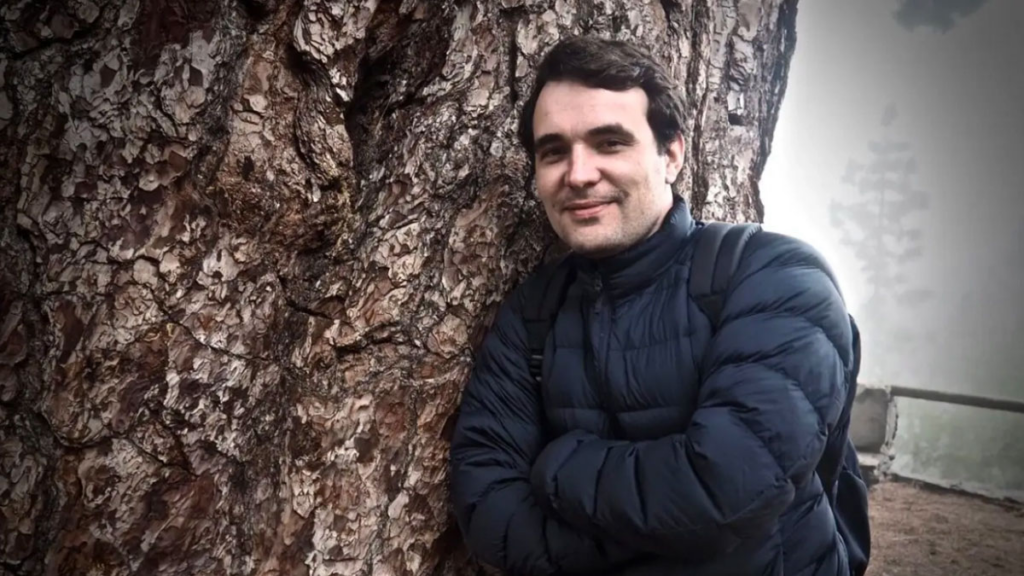
Christophe Gleizes, a 36-year-old French journalist imprisoned in Algeria, has found his life placed on hold in Tizi Ouzou prison. Arrested while covering local sports news, he faces a troubling seven-year sentence for allegedly ‘glorifying terrorism.’ The sentence has sparked widespread concern for the implications of free speech and journalistic integrity. As he awaits his appeal hearing on December 3, the lack of communication has become a poignant struggle, with only a fraction of the nearly 200 letters sent by loved ones actually reaching him. Through the walls of his 10-square-meter cell, Christophe’s passion for writing serves as a lifeline, allowing him to express his thoughts and maintain his connection with the outside world in an increasingly isolating environment.
The saga of Christophe Gleizes highlights the plight of a detained reporter facing severe consequences in a politically charged atmosphere. With his recent sentencing drawing attention, this French journalist’s experience in Algeria raises questions about the broader challenges of press freedom and expression under authoritarian regimes. As Gleizes navigates his time in prison, the emotional weight of letters from his family underscores the importance of maintaining human ties amidst adversity. Moreover, the narrative surrounding his situation reflects the larger context of journalists confronting oppressive conditions while striving to fulfill their commitment to uncovering the truth. This compelling story, filled with themes of resilience and the power of written words, brings to light critical issues regarding the safety and rights of those who report from the frontlines.
The Arrest of Christophe Gleizes: A French Journalist’s Ordeal
Christophe Gleizes, the French journalist currently imprisoned in Algeria, found himself in the crosshairs of the authorities while covering a seemingly mundane topic: a local football club. His arrest in Kabylie came as a shock to many, particularly because it underscored the volatile environment for press freedom in the region. Charged with ‘glorifying terrorism,’ Gleizes faces severe consequences—seven years behind bars—that reflect an alarming trend against journalists who dare to report critically or engage with sensitive issues. This case raises significant questions about the boundaries of expression and the risks faced by journalists in Algeria.
With each passing day spent in Tizi Ouzou prison, the reality of his situation becomes increasingly stark. The impact of this imprisonment is not just on Christophe Gleizes but resonates widely with fellow journalists and advocates for human rights. Although he was merely fulfilling his duties as a reporter, the charges brought against him illustrate the fraught relationship between the government and media within Algeria. As he prepares for his appeal on December 3, the stakes are high, not only for him but for the future of journalism in the country.
Life Behind Bars: The Challenges of Imprisonment
Life in Tizi Ouzou prison is anything but easy for Christophe Gleizes. Being confined to a small 10-square-meter cell with another inmate presents numerous challenges for anyone, let alone someone accustomed to a career that requires freedom of movement and thought. Communication with the outside world is severely restricted, and despite the numerous letters sent by loved ones, only a fraction has made it to him. This inefficient correspondence system adds to the frustrations of life in prison, where every word from the outside carries immense emotional weight.
In a setting where solitary dreams and hopes can wither away, Gleizes has turned to creative outlets such as poetry and journal writing. His mother, Sylvie Godard, highlights that these activities keep him tethered to his passion for writing. Nonetheless, the sporadic communication and the emotional strain of limited contact exacerbate the hardship of serving a lengthy sentence. The act of writing, while a solace for Gleizes, also emphasizes the stark absence of support that many prisoners face, turning the act of letter writing into an even more precious lifeline amid despair.
The Role of Letter Writing in Prison
For Christophe Gleizes, letters are more than mere paper; they symbolize connection and hope during a time of isolation. With only about 10 out of 200 letters reaching him, the struggle to maintain those connections becomes profoundly evident. Each letter serves as a reminder of life outside the prison walls, providing comfort and emotional sustenance to a man enduring the hardships of incarceration. Letter writing is an age-old practice among prisoners, yet for Gleizes, it takes on an especially poignant significance as it keeps him linked to his family and friends, reminding him that he is not forgotten.
Moreover, his family’s efforts to send letters illustrate the enduring bonds of love and support that thrive even against the backdrop of imprisonment. Sylvie Godard’s reflections on her son’s love for writing shine through in her recounting of his efforts to write biographies of family members during the holiday season. These gestures reveal not only his resilience but also the human ability to maintain relationships and find meaning, even within restrictive environments. The letters exchanged between Gleizes and his family lay bare the emotional currents at play, offering a glimpse of hope that transcends the prison’s concrete walls.
Christophe Gleizes’ Appeal Trial: A Foreboding Future
As Christophe Gleizes awaits his appeal trial on December 3, the uncertainty of his future looms large. Sentenced to seven years for charges that many deem exaggerated, his case has garnered attention from human rights organizations and media advocates globally. This prominent case hails attention not only on the specifics of Gleizes’ situation but also sheds light on broader issues related to press freedom and political repression in Algeria. Each passing day fuels the urgency for expedited justice and highlights the dire need for reforms that safeguard journalistic freedoms.
The impending appeal represents more than just a legal battle for Gleizes; it embodies a struggle for dignity in the face of unfounded accusations. Supporters urge a reassessment of the charges against him, asserting that the context of his work should be understood rather than criminalized. Throughout this process, friends and family remain steadfast, hopeful that the judicial system will correct an apparent injustice that they believe has kept an innocent man from pursuing his passion for journalism. The outcome of this trial could set a crucial precedent that impacts future generations of journalists in Algeria.
The Impact of Imprisonment on Family Dynamics
The family of Christophe Gleizes is silently bearing the weight of his imprisonment. Sylvie Godard, his mother, describes her struggles with the loss of regular communication and the heartache of not being able to embrace her son in person during such trying times. The emotional toll of having a family member incarcerated cannot be understated, particularly as familial bonds are tested by distance and the stress of uncertainty. Gleizes’ younger brother, Maxime, for instance, reflects on how the absence of his brother during significant moments, like weddings, shapes family celebrations into bittersweet reminders of loss.
Families of imprisoned individuals often carry an invisible burden. The disconnection resulting from imprisonment introduces layers of grief, as they attempt to maintain relationships while navigating the complexities of the prison system. Sylvie’s reflections on her son’s creative expressions serve as a reminder that despite physical separation, emotional ties can still be preserved through communication and shared memories. The assertion that Gleizes wrote a reinterpretation of Romeo and Juliet underscores his adaptability and commitment to staying connected with his family during his enforced separation.
Emotional Resilience: Writing as a Coping Mechanism
In prison, emotional resilience becomes a critical component of survival, and for Christophe Gleizes, writing has emerged as a primary coping mechanism. It allows him to channel his thoughts, feelings, and experiences in a way that counters the loneliness of confinement. Writing poetry and maintaining a journal not only aid in processing his current circumstances but also reconnect him with his identity as a journalist—a role that he clings to even behind bars. Such creative acts can foster a sense of purpose and hope, reminding him that his voice still holds value, despite physical imprisonment.
The ability to write allows Gleizes to transform his frustration into art, turning confinement into a canvas for his thoughts. This emotional resilience manifests in his desire to keep the art of storytelling alive, even when faced with significant adversity. Letters to his family and journal entries serve as a testament to his spirit and his unwavering dedication to the craft of writing—a discipline that has shaped his life for over 15 years. As he navigates the impossibilities stemming from his situation, Gleizes’ unwavering commitment to writing stands as a source of strength, showcasing the power of art in the darkest of times.
Press Freedom in Algeria: A Life-Threatening Reality
The imprisonment of Christophe Gleizes is a stark reminder of the precarious landscape of press freedom in Algeria. Many within the international community view the government’s actions as a systematic attempt to muffle dissent and silence independent voices. The charge of ‘glorifying terrorism’ is perceived by many as a blanket statement used to stifle journalists who report on sensitive issues or engage in critical discussions. The fact that Gleizes faced a seven-year sentence highlights the dangerous environment in which journalists must operate, where reporting on everyday matters can have life-altering consequences.
This ongoing trend poses severe challenges to emerging journalists in Algeria and those who aspire to uphold the values of free expression. As advocates for press freedom rally around Gleizes, their efforts bring attention to the need for urgent reforms to protect journalists from baseless allegations and unjust imprisonment. The international response to Gleizes’ situation may set a precedent for how future cases are handled, influencing the broader media landscape in Algeria. In the current climate, preserving journalistic integrity while advocating for rights remains vital to confronting oppressive narratives.
Letters From Tizi Ouzou: A Glimpse into Prison Life
Christophe Gleizes’ journey through Tizi Ouzou prison is vividly captured in the letters he receives from family, reflecting both the harsh realities of confinement and the deep bonds that persist amid adversity. Each letter serves as a window into the world outside the prison walls, offering him glimpses of family milestones, societal shifts, and personal messages of love and support. The disparity between the number of letters sent and those received underscores the gap created by imprisonment, and his reliance on these sporadic correspondences illustrates the emotional lifeline they provide.
Through these letters, Gleizes finds affirmation of his purpose and the motivations that drive his passion for journalism. They form a crucial part of his narrative, reminding him of his identity and the life that awaits him beyond the confines of Tizi Ouzou prison. Consequently, writing back not only becomes a therapeutic outlet but also a means of fostering hope among his family members who eagerly await any word from him. This exchange becomes more than a mere communication; it embodies resilience, illustrating how the act of sharing stories can bridge the chasm of confinement.
Frequently Asked Questions
Who is Christophe Gleizes and what led to his imprisonment in Algeria?
Christophe Gleizes is a 36-year-old French journalist who has been imprisoned in Tizi Ouzou, Algeria, for over five months. He was arrested while covering a football club and sentenced to seven years in prison for ‘glorifying terrorism’ and possessing propaganda publications deemed harmful to national interests.
What were the charges against Christophe Gleizes that resulted in his seven-year prison sentence?
Christophe Gleizes was charged with ‘glorifying terrorism’ and ‘possessing publications aimed at propaganda harmful to the national interest.’ These charges led to his conviction and a hefty seven-year sentence, highlighting the strict regulations regarding free speech in Algeria.
How is Christophe Gleizes maintaining communication while imprisoned in Tizi Ouzou?
Christophe Gleizes has been able to write letters and maintain a journal despite his imprisonment. However, only about 10 out of over 200 letters sent by family have reached him due to restrictions imposed by prison staff in Tizi Ouzou.
What impact has Christophe Gleizes’ imprisonment had on his family?
His imprisonment has been profoundly challenging for his family, particularly for his mother, Sylvie Godard, who struggles with the lack of communication. Christophe’s passion for writing is a source of strength for him, and he has continued composing letters and poems from prison.
When is the appeal trial for Christophe Gleizes scheduled to take place?
Christophe Gleizes’ appeal trial is scheduled for December 3, when he will seek to challenge the seven-year prison sentence imposed on him for ‘glorifying terrorism’.
What creative works has Christophe Gleizes undertaken while incarcerated?
While in Tizi Ouzou prison, Christoph Gleizes has written poems, letters, and a reinterpretation of Romeo and Juliet, which reflects his enduring connection with family despite his absence. His writings have become a vital means of expression during his imprisonment.
How has Christophe Gleizes’ story highlighted issues related to freedom of the press?
The case of Christophe Gleizes emphasizes the challenges faced by journalists in Algeria, where laws against ‘glorifying terrorism’ can severely restrict free speech and press freedom, leading to harsh penalties for those who express dissenting views.
| Key Point | Details |
|---|---|
| Detention Background | Christophe Gleizes has been detained in Tizi Ouzou, Algeria, for over five months after being arrested while covering a football club. |
| Sentence | He was sentenced to seven years in prison for ‘glorifying terrorism’ and ‘possessing publications harmful to the national interest.’ |
| Communication Issues | Only around 10 of the 200 letters from loved ones have reached him, highlighting significant restrictions on communication. |
| Personal Writing | Despite the challenges, he continues to write poems, letters, and keeps a journal, which has been an important part of his life for 15 years. |
| Family Connections | His family maintains communication through writing, and he wrote a reinterpretation of Romeo and Juliet for his brother’s wedding. |
| Upcoming Appeal | Christophe’s appeal trial is scheduled to begin on December 3, as his family and supporters await justice. |
Summary
Christophe Gleizes remains a poignant example of the struggles faced by journalists in oppressive environments. His imprisonment in Algeria highlights the severe penalties imposed on expression, particularly in politically charged situations. As the appeal date approaches, the hope is that the judicial system will recognize the unjust treatment he has endured, allowing his voice to echo beyond the prison walls and contribute to the freedom of expression around the world.