
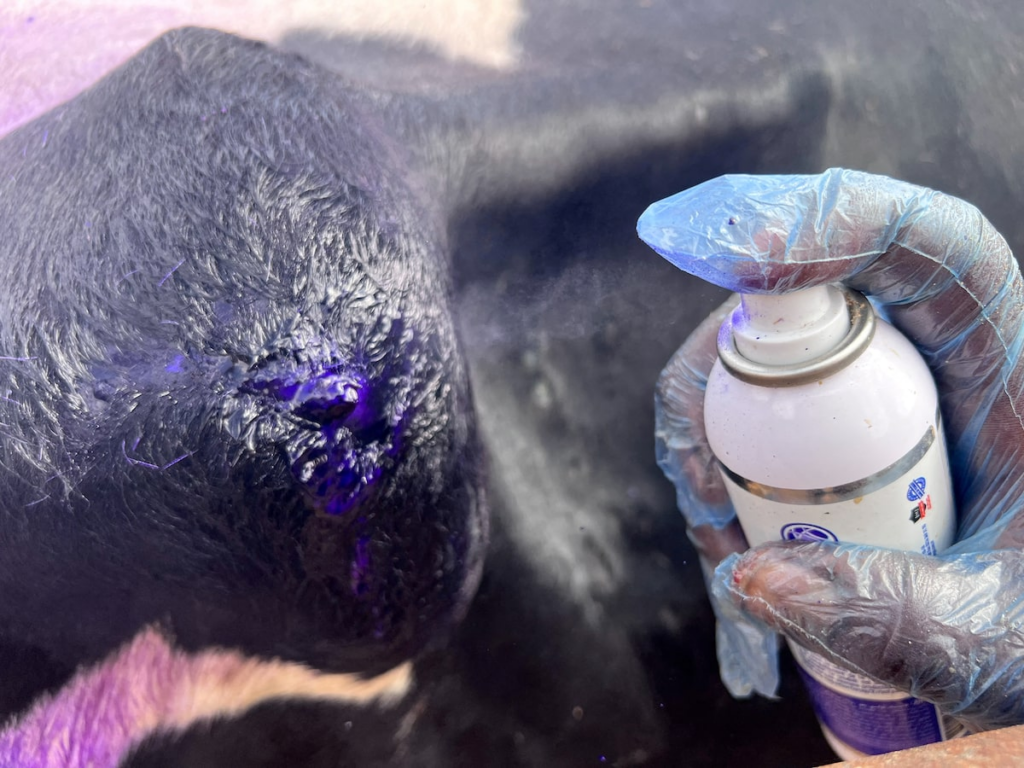
France is currently grappling with the serious issue of lumpy skin disease, a contagious condition affecting cattle health across the nation. Recently, Prime Minister’s discussions with key agricultural unions have aimed to address the growing concerns stemming from the outbreak and its implications for farmers. These negotiations have unfolded against a backdrop of tensions fueled by the potential impact of an EU trade agreement, which adds further complexity to the situation. The unrest was significantly ignited by protests in Bordes-sur-Arize, where farmers rallied to prevent the slaughter of infected herds, prompting governmental action. As France seeks to reinforce the stability of its agricultural sector, understanding the consequences of this lumpy skin disease outbreak is crucial for the future of cattle farming in the country.
As the epidemic of contagious nodular dermatitis continues to spread, France’s cattle industry faces immense pressure from both governmental and agrarian perspectives. The farming community’s distress has mobilized around recent protests that protest against the government’s handling of this animal health crisis. Advocacy groups within the agriculture sector are vehemently voicing their concerns over the impact of both the disease and potential trade agreements with the EU. A rising collective sentiment amongst farmers illustrates a call for urgent action, especially from regions like Bordes-sur-Arize, where clashes have intensified. This critical juncture highlights the need for effective strategies to manage disease outbreaks while respecting the livelihoods of those reliant on agricultural outputs.
Understanding France’s Current Lumpy Skin Disease Crisis
Lumpy skin disease (LSD) has recently emerged as a significant concern for France’s cattle health, impacting the livelihoods of farmers across the country. The disease, known as contagious nodular dermatitis, has prompted widespread anxiety amid the agricultural community. With outbreaks reported in several departments, farmers are worried about the potential loss of their cattle, which is not only devastating on a personal level but also poses risks to the agricultural economy as a whole. The ongoing situation highlights the urgent need for effective management strategies to contain the spread of this disease.
In recent discussions, the French government has thrown its support behind farmers, yet critics argue that insufficient action has been taken to effectively manage the outbreak. The complexities of livestock health and trade regulations make it imperative for authorities to act decisively. Farmers fear that as lumpy skin disease spreads, it could lead to even stricter regulations on cattle trade within the EU – a situation that could have dire consequences for local agricultural operations.
Agricultural Unions and the Push for Change
The reaction from agricultural unions in France has been vocal and assertive. Groups like Coordination rurale and Confédération paysanne have rallied farmers to raise their voices against the government’s handling of the lumpy skin disease outbreak. Their frustration culminated into protests, particularly seen in Bordes-sur-Arize, where farmers sought to prevent the culling of infected herds. This level of activism underscores the growing discontent among the farming community, who feel that their voices have not been adequately heard in discussions surrounding cattle health.
As protests continue to unfold, the prime minister’s meetings with these agricultural unions reflect an effort to mediate tensions. However, with no significant changes announced, farmers are left questioning the government’s commitment to their welfare. The impact of these dialogues is crucial; as the agricultural sector faces challenges from lumpy skin disease, the unions assert that immediate and effective policy changes are needed to protect farmers and uphold cattle health throughout France.
Exploring the EU Trade Agreement’s Effects on Farmers’ Challenges in France
The recent postponement of the EU trade agreement between the European Union and Mercosur countries has been a temporary win for farmers, but the implications of trade deals under these circumstances are complex. French farmers are cautious that while trade liberalization could open new markets for beef exports, it also risks flooding local markets with imports, potentially driving down prices amidst current challenges like the lumpy skin disease outbreak. Farmers are concerned that ill-timed trade agreements could worsen their situation, especially when they are already grappling with diminished livestock health and market volatility.
Agricultural unions are advocating for more stringent regulations that protect local cattle farmers from market pressures brought on by international trade agreements. They argue that the management of lumpy skin disease should take precedence over trade interests, ensuring that local farmers retain fair pricing and market access while dealing with the consequences of disease outbreaks. The balance between protecting local agriculture and pursuing global trade opportunities remains a contentious issue that exemplifies the broader struggles within the French agricultural framework.
The Underscored Importance of Cattle Health in Agricultural Policy
Cattle health is at the core of sustainable agricultural policy in France. The lumpy skin disease outbreak serves as a critical reminder of how quickly public health challenges can impact the farm economy and food security. The intensity of the current lumpy skin disease crisis emphasizes the need for authorities to develop comprehensive, proactive measures that can mitigate such outbreaks in the future. Farming unions are insisting that the government invests significantly in biosecurity measures to protect livestock health and prevent similar situations from arising.
Beyond immediate action, the agricultural sector requires long-term strategies to improve resilience against disease outbreaks. The French government must engage in collaborative efforts with farmers and agricultural unions to create effective health management plans. This will include enhancing vaccination programs, creating awareness around cattle health issues, and ensuring that farmers have access to resources that can aid in maintaining the health of their herds, thereby safeguarding the entire agricultural economy from diseases like lumpy skin.
Protests and Public Sentiment Regarding Lumpy Skin Disease
The outbreak of lumpy skin disease has galvanized public sentiment, leading to significant protest actions across France. Farmers, feeling neglected and undervalued by government actions, initiated demonstrations with heightened fervor since the emergence of the disease. Reports indicate that thousands of farmers have participated in protests, rallying to advocate for better management and prevention strategies regarding cattle health. This demonstrates a rising tide of activism within the agricultural sector, showcasing their determination to address pressing issues head-on.
The protests that began in Bordes-sur-Arize represent a microcosm of a larger movement among the agricultural community. Tensions have been exacerbated by perceived inaction from the government, prompting farmers to voice their frustrations publicly. Protesters emphasize that without adequate support and a collaborative approach towards managing lumpy skin disease, the long-term viability of their livelihoods remains in jeopardy. Therefore, it is essential for policymakers to listen and act accordingly, ensuring that the voices of the agricultural sector are not ignored.
Government Responsiveness to Farmers’ Urgency
The French government’s engagement with agricultural unions signals an acknowledgment of the urgent need to address farmers’ concerns amid the lumpy skin disease outbreak. The prime minister’s efforts to mediate and call for a Christmas truce indicate an understanding of the critical juncture at which the agricultural community stands. However, the effectiveness of these gestures will rely heavily on the actual implementation of strategies that prioritize cattle health and alleviate the farmers’ burdens.
Farmers are calling for concrete action rather than symbolic gestures. The discourse must translate into policies that offer real solutions to the ongoing challenges, including financial assistance, disease management guidance, and an improvement in communication between the government and agricultural stakeholders. Only with meaningful dialogue and adequate responses can trust be rebuilt between the government and the farming community, addressing the grievances raised by the protests surrounding lumpy skin disease.
Lessons from the Lumpy Skin Disease Outbreak in France
The lumpy skin disease outbreak provides an opportunity for the French agricultural sector to reassess its preparedness for future health crises. Each disease outbreak can inform better strategies for managing livestock health, ensuring that farmers are equipped with the knowledge and tools necessary to protect their herds. The lessons learned from this event can guide a more proactive approach, leveraging past experiences to implement more effective biosecurity measures and health protocols.
Furthermore, this outbreak could prompt a reevaluation of agricultural policies that safeguard farmers against market fluctuations and health threats. As the EU trade agreements evolve, there is a chance for the French government to position its farming industry in a manner that prioritizes sustainability and resilience, addressing not just the immediate responses to diseases like lumpy skin but also the overarching economic structures that affect their operations. The outcome of the current protests and dialogues can act as a catalyst for positive change in the sector.
The Role of Cattle Health in Agricultural Sustainability
Cattle health is essential for sustainable agriculture, particularly in a country like France, where livestock farming constitutes an integral part of the economy and culture. The lumpy skin disease crisis underscores the need for an agricultural framework that prioritizes animal health as a key indicator of sustainability. Ensuring healthy cattle populations not only supports food security but also sustains the economic stability of farming communities.
To achieve lasting sustainability, the French agricultural sector must embrace integrated health management practices that address not only symptoms but also underlying causes of disease outbreaks. This includes fostering a culture of preventive care, education around cattle health risks, and creating partnerships among farmers, veterinarians, and agricultural experts. By establishing a holistic approach that champions cattle health, France can enhance its agricultural resilience and prepare for future challenges.
Future Directions for Managing Livestock Diseases in France
Looking ahead, France must adopt innovative strategies for managing livestock diseases such as lumpy skin disease. This will require investments in disease research, vaccination programs, and farmer education initiatives. Agricultural unions play a vital role in advocating for these necessary changes, ensuring that the voices of farmers resonate within policy-making discussions. Their input can help shape effective management plans that not only respond to current maladies but also anticipate future threats to cattle health.
Additionally, collaboration at both the national and European levels will be crucial for managing livestock diseases. As France navigates its relations with the EU amidst trade policy discussions, integrating cattle health concerns into broader agricultural policies can help create a sustainable and resilient farming sector. Engaging with agricultural unions to collectively address these strategies will ensure that the interests of farmers are regarded and prioritized, paving the way for healthier livestock and a more secure agricultural future.
Frequently Asked Questions
What is lumpy skin disease and how does it affect cattle health in France?
Lumpy skin disease (LSD) is a viral infection affecting cattle, causing skin nodules, fever, and reduced milk production. In France, the recent outbreak has raised concerns about cattle health and led to significant unrest among farmers.
How is the French government addressing the lumpy skin disease outbreak among cattle?
The French government is actively working to manage the lumpy skin disease outbreak by holding meetings with agricultural unions, assuring farmers of their support, and postponing trade agreements that could exacerbate the situation.
What impact does the lumpy skin disease outbreak have on agriculture unions in France?
The lumpy skin disease outbreak has mobilized agriculture unions in France, leading to protests and demands for better support and management of cattle health issues amidst the crisis.
What was the outcome of the EU trade agreement concerning lumpy skin disease in France?
The French government, with Italy’s support, successfully postponed the signing of the EU-Mercosur trade agreement, considering the ongoing lumpy skin disease outbreak and its implications on cattle health and agriculture in France.
What prompted the protests in Bordes-sur-Arize related to lumpy skin disease?
Protests in Bordes-sur-Arize were sparked by efforts from agriculture unions to prevent the slaughter of cattle infected with lumpy skin disease, highlighting the frustration of farmers over the handling of the outbreak.
How has the public reacted to the management of lumpy skin disease in France?
The public, particularly farmers, have reacted with outrage to the handling of the lumpy skin disease outbreak, leading to numerous protests across the country as they demand better support and communication from the government.
What measures are being taken to prevent lumpy skin disease spread in France?
To prevent the spread of lumpy skin disease in France, authorities are working closely with farmers, enhancing monitoring measures, and seeking to maintain open communication with agriculture unions.
| Key Points |
|---|
| The French Prime Minister aims for holiday truce with farming unions amid lumpy skin disease outbreak. |
| Meetings with agricultural leaders on December 19 aim to de-escalate tensions regarding lumpy skin disease management. |
| Farmer protests have documented significant unrest due to the disease and trade agreements affecting agriculture. |
| Protests started after attempts to stop slaughter of infected cattle, highlighting deep concerns within the agricultural community. |
| 110 protest actions recorded recently, indicating rising anger among farmers in response to government actions. |
| Government warns against blockades that may disrupt holiday travel during the festive season. |
Summary
France lumpy skin disease is a significant challenge for the French agricultural sector, prompting the government to seek a truce with farming unions during the holiday season. The Prime Minister’s meetings with agricultural leaders have highlighted the dissatisfaction among farmers regarding the management of the outbreak, contributing to ongoing civil unrest. As protests escalate, it is crucial for the government to address farmers’ concerns effectively to ensure both the health of livestock and the stability of the agricultural community.