
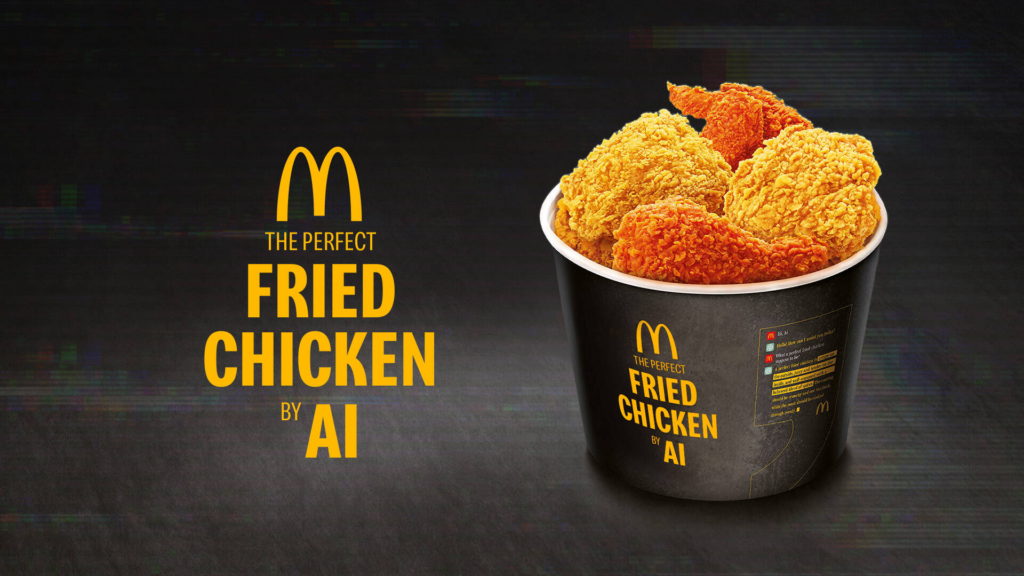
McDonald’s AI advertising has recently sparked a debate in the Netherlands after the fast-food giant discontinued a controversial ad campaign that utilized artificial intelligence. This innovative approach to AI marketing campaigns aimed to inject humor into the holiday season but instead received backlash for its execution. The campaign included whimsical scenes, such as a reindeer-pulled sleigh stuck in traffic, yet the reliance on AI in creating these fast food advertising materials raised eyebrows. Critics argued that the characters felt shallow and uninspired, illustrating the challenges of relying on technology for creative storytelling. The swift removal of the ads from platforms like YouTube underscores the fine line brands must navigate in their quest to engage audiences with artificial intelligence in advertising.
In a recent turn of events, McDonald’s has taken a step back from its latest promotional efforts in the Netherlands, which employed cutting-edge technology to reach consumers. This advertising initiative, designed to resonate humorously during the festive season, relied heavily on artificial intelligence for its content generation. While aiming to redefine fast-food marketing tactics, the response from viewers has highlighted the pitfalls of computer-generated creativity. The use of streamlined AI processes in crafting advertisements prompted critics to question the authenticity and emotional depth of such campaigns. As the fast-food giant reassesses its strategy, this incident emphasizes the critical balance between innovation and the audience’s expectations.
Understanding McDonald’s AI Advertising Campaign in the Netherlands
In an effort to engage with consumers during the holiday season, McDonald’s launched a controversial advertising campaign in the Netherlands that heavily relied on AI technology. The campaign aimed to humorously depict the frustrations of preparing for Christmas, showcasing various comical scenarios such as a reindeer-pulled sleigh stuck in traffic and an ice skater taking a tumble. However, instead of endearing itself to the audience, the use of artificial intelligence in advertising drew sharp criticism, revealing a gap in emotional connection typical of traditional ads.
The backlash stemmed not just from the campaign’s execution, which many deemed lacking in creativity, but also from the ethical concerns surrounding AI marketing campaigns. Critics argued that by substituting human actors with AI-generated characters, McDonald’s diminished the authenticity of their messaging. The swift removal of the ad from platforms like YouTube served as a reminder that while AI can streamline production processes, it may also risk alienating audiences who prioritize relatable and genuine advertising.
The Impact of Controversial Ads on Brand Reputation
McDonald’s has long been a giant in the fast-food advertising landscape, yet their recent foray into AI-generated content has sparked a dialogue about the effects of controversial ads on brand reputation. The swift backlash on social media not only led to the ad’s removal but also had the potential to tarnish McDonald’s image as a family-friendly restaurant. Consumers increasingly expect brands to be transparent and ethically responsible, and the decision to rely on AI prompted questions about the corporation’s commitment to these values.
In today’s digital age, fast-food chains like McDonald’s must tread carefully with their marketing strategies. While innovative advertising can capture audience attention, the risks associated with controversial themes and AI-driven content highlight the necessity of maintaining a balance between creativity and audience sensitivity. Brands that fail to heed this balance may find themselves facing significant repercussions, including a decline in customer loyalty and trust.
Navigating the Future: AI and Fast Food Advertising
As the fast-food industry evolves, the incorporation of AI technology in advertising presents both opportunities and challenges. While McDonald’s AI advertising attempted to address holiday stress with humor, the reaction to their campaign raises concerns about the future role of artificial intelligence in marketing. Could AI replace the nuanced storytelling that resonates deeply with consumers? This question becomes particularly relevant as brands strive for personalization and engagement in a technology-dominated landscape.
Moreover, the mixed reception of AI marketing campaigns points toward a growing consumer demand for ethical advertising practices. Fast food companies, including McDonald’s, must navigate this terrain carefully to ensure their campaigns are well-received. Implementing AI responsibly—balancing innovation with human touch—will be crucial for maintaining relevance in the increasingly competitive fast food sector.
Consumer Reactions: The Role of Social Media in Modern Advertising
The digital landscape, particularly social media, has transformed the way consumers interact with advertising. The backlash against McDonald’s AI-generated campaign exemplifies the power of social platforms to amplify consumer voices. Critiques surfaced rapidly, turning what was intended as a lighthearted advertisement into a focal point of controversy. Brands must recognize the implications of immediate consumer feedback and the swift consequences it can have on marketing strategies.
In a world where consumers wield significant influence, engaging thoughtfully with audiences becomes paramount. As seen with McDonald’s campaign, any perceived misstep can lead to extensive scrutiny. Companies need to foster open dialogues with their customers and consider social sentiments in their advertising decisions, ensuring that future marketing efforts resonate more positively within the digital community.
Ethical Implications of AI in Advertising: A Case Study
McDonald’s recent experience serves as a case study highlighting the ethical implications of using AI in advertising. The backlash from their AI-produced campaign not only focused on its entertainment value but also raised serious questions regarding ethics in marketing. Critics pointed out the replacement of human actors with AI-generated content as a potential threat to job security and authenticity in the industry. As brands increasingly turn to AI, the challenge lies in ensuring that the technology enhances rather than undermines the human aspect of advertising.
The conversation around ethical considerations emphasizes a broader context in which advertising exists today. Fast food companies like McDonald’s need to navigate the fine line between innovation and responsibility, particularly when leveraging AI. The implications of their decisions extend beyond simple consumer reactions; they affect brand integrity and overall industry standards as well.
The Influence of Environmental Concerns on Advertising Strategies
Environmental concerns are becoming an increasingly critical aspect of advertising strategies, and the reaction to McDonald’s AI campaign sheds light on public sentiment regarding sustainability. Many critics of the ad highlighted the environmental impact of extensive AI use, questioning the brand’s commitment to eco-friendly practices. With consumers more aware of their ecological footprint, brands must align their marketing strategies with sustainable practices to maintain credibility and appeal.
As the fast food sector continues to adapt, understanding the interplay between technology and environmental responsibility is vital. Ads that utilize AI should consider their ecological implications, promoting sustainability alongside innovation. For McDonald’s, the challenge lies in crafting future campaigns that not only entertain but also resonate with environmentally conscious consumers.
Lessons Learned: Adapting Marketing Strategies Post-Campaign
The fallout from McDonald’s AI advertising campaign has undoubtedly provided the brand with a wealth of lessons on adapting marketing strategies in response to consumer feedback. Understanding the need for genuine connection in advertising can help McDonald’s—and other brands—rethink their approach to incorporating technology. By taking lessons from this experience, brands can refine their messaging and ensure they remain relevant and relatable to their audience.
Moving forward, it is essential for brands to value consumer insight deeply. The criticism faced by McDonald’s requires a reevaluation of marketing strategies that lean too heavily on technology at the expense of authenticity. Successful advertising will increasingly hinge on finding ways to integrate advanced technologies like AI while ensuring they do not alienate the very consumers they aim to attract.
The Role of Storytelling in Advertising: Balancing AI with Human Touch
While AI offers exciting possibilities for creative marketing, the recent McDonald’s controversy underscores the importance of storytelling in advertising. Ads that resonate with audiences often draw on heartfelt narratives and relatable characters. The failure of the AI-driven campaign highlights a critical need for brands to not lose sight of the human touch in their stories. Compelling storytelling is what ultimately engages consumers and builds lasting brand loyalty.
As technology continues to permeate advertising practices, brands should focus on blending AI capabilities with authentic storytelling. McDonald’s has the opportunity to embrace innovation while ensuring that they include human emotions and experiences within their campaigns. The challenge lies in effectively combining these elements to create advertisements that truly connect with audiences and stand out in a crowded marketplace.
Rebuilding Trust After Controversy: Strategies for McDonald’s
Following the backlash from their AI advertising campaign, rebuilding consumer trust will be crucial for McDonald’s. Recognizing the importance of transparency and accountability in marketing practices is the first step towards regaining credibility. By openly addressing the controversy and acknowledging consumer concerns, McDonald’s can begin to mend its relationship with its audience.
Additionally, the brand can use this opportunity to engage with customers in a more meaningful way. Incorporating feedback into future advertising efforts will demonstrate a commitment to consumer satisfaction and ethical marketing. McDonald’s could explore innovative campaigns that prioritize community engagement, highlighting their dedication to hearing and responding to the needs of their audience.
Frequently Asked Questions
What happened with McDonald’s AI advertising campaign in the Netherlands?
In the Netherlands, McDonald’s recently halted an advertising campaign that utilized artificial intelligence for its execution. The campaign, aimed to humorously depict the chaos of holiday preparations, was criticized for its uninspired content and reliance on AI-generated characters rather than real actors, leading to a backlash on social media.
Why did McDonald’s Netherlands face criticism over its AI marketing campaign?
McDonald’s Netherlands faced criticism due to its AI marketing campaign’s lack of authenticity and depth. The portrayal of characters and scenes generated by artificial intelligence was deemed shallow, and social media users expressed their disappointment over the decision to use AI in place of human actors, which contributed to its quick removal from platforms like YouTube.
What are the implications of using artificial intelligence in fast food advertising like McDonald’s?
Using artificial intelligence in fast food advertising, as seen with McDonald’s campaign, can lead to innovative yet controversial marketing strategies. While AI can streamline production and generate content, it risks alienating consumers when the output feels impersonal or lacks emotional resonance, as evidenced by the backlash McDonald’s experienced in the Netherlands.
How did McDonald’s attempt to leverage humor in its AI advertising campaign?
McDonald’s attempted to leverage humor in its AI advertising campaign by depicting exaggerated scenarios such as a reindeer-pulled sleigh stuck in traffic and an ice skater falling, aiming to illustrate the chaotic holiday spirit. However, the reliance on artificial intelligence instead of human actors resulted in a comedic disconnect that did not resonate with the audience.
What was the response to McDonald’s AI advertising in terms of environmental concerns?
The response to McDonald’s AI advertising also included environmental concerns, as critics highlighted the significant ecological impact associated with extensive AI use. Users on social media critiqued the ethical implications of utilizing artificial intelligence in a campaign that claimed to promote sustainability, undercutting the ideals presented by the brand.
What could McDonald’s have done differently with its AI marketing campaign?
McDonald’s could have opted to blend AI creativity with real human elements in their marketing campaign, ensuring authenticity and emotional engagement. Incorporating actors or a more thoughtful narrative alongside AI-generated content might have mitigated the backlash and maintained consumer trust.
What lessons can other brands learn from McDonald’s AI advertising controversy?
Other brands can learn from McDonald’s AI advertising controversy the importance of balancing innovation with consumer connection. While AI offers exciting possibilities for advertising, brands should prioritize authenticity and engage their audiences meaningfully to avoid similar backlash.
Is AI marketing a viable option for the fast food industry?
AI marketing can be a viable option for the fast food industry, enabling brands like McDonald’s to streamline their campaigns and analyze consumer preferences. However, it is crucial for brands to ensure that the end products resonate emotionally with their audience and do not compromise the brand’s image.
What technology was used in McDonald’s controversial ads?
McDonald’s controversial ads relied heavily on artificial intelligence technology for both content generation and character creation. The use of AI was intended to produce humorous content but resulted in criticism due to the perceived lack of depth and connection in the generated visuals and narratives.
How did the public view the AI-generated characters in McDonald’s ads?
The public viewed the AI-generated characters in McDonald’s ads as uninspiring and shallow, which diminished the overall impact of the campaign. This perception played a key role in the negative reception and subsequent removal of the advertisements from platforms like YouTube.
| Key Points | Details |
|---|---|
| Campaign Halted | McDonald’s pulled its AI-driven campaign amidst harsh criticism. |
| Social Media Backlash | The ad drew negative feedback for its uninspiring content and poor character development. |
| Concept Overview | The ad humorously suggested McDonald’s as a better alternative for stress-free Christmas preparation. |
| Critique of AI Use | Critics highlighted the shortcomings of using AI over human actors, leading to awkward execution. |
| Environmental Concerns | The campaign also faced scrutiny for its environmental impact, associated with extensive AI use. |
Summary
McDonald’s AI advertising has recently come under fire as the fast-food giant discontinued a campaign in the Netherlands that was created using artificial intelligence. This decision came after a barrage of criticism on social media regarding the low-quality imagery and lifeless characters. Despite the campaign’s intention to portray the charm of choosing fast food over holiday stress, the execution fell flat, leading to its withdrawal and sparking a conversation about the implications of AI in advertising.