
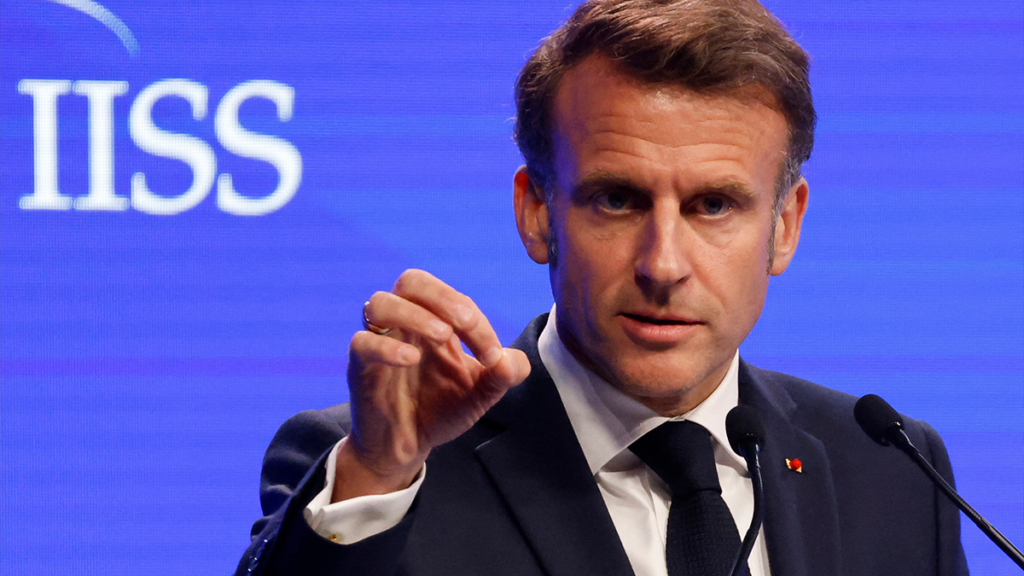
In a bold move, Macron warns China tariffs could soon be on the table if the country fails to act on its substantial trade surplus with the European Union. The French President conveyed this message during an interview with Les Echos, expressing his concern about the growing imbalances in China EU relations that have resulted in a staggering trade deficit exceeding €300 billion in 2024. Macron’s warning highlights the urgency for a unified EU trade policy that addresses these disparities, especially given the European industry’s vulnerability to external pressures. As the debate around tariff policy in Europe intensifies, many speculate that measures akin to those taken by the United States may be on the horizon. With Macron’s warning echoing across the continent, the implications for European industries could be significant, raising questions about how the EU will balance protection and competitiveness in the face of such challenges.
French President Emmanuel Macron has sounded a crucial alert regarding potential tariffs on Chinese imports, emphasizing the urgent need for action to rectify the significant trade imbalance between Europe and China. As concerns mount over the EU trade surplus, this strategic warning could reshape China EU relations and influence the broader tariff framework across the continent. The impacts of these tariff considerations extend beyond mere numbers; they encompass the stability and future of the European industrial landscape. With Germany’s position complicating collective decision-making within the EU Commission, Macron’s call for strong measures seeks to ensure that European industries are shielded from aggressive foreign competition while maintaining a competitive edge in the global market. The evolving nature of this trade dialogue has far-reaching implications, potentially altering the course of economic interactions in an increasingly interconnected world.
Macron Warns China Tariffs Are Possible
French President Emmanuel Macron has explicitly addressed the looming possibility of implementing tariffs on Chinese imports if the country does not mitigate its considerable trade surplus with the European Union. His warning serves as a strategic maneuver to compel China to engage more constructively in discussions aimed at balancing trade relations. During an interview with Les Echos, Macron emphasized that strong measures would be necessary if China continues to disregard the trade imbalance, which has alarmingly surpassed €300 billion. This potential policy shift underscores the growing tensions surrounding EU trade dynamics and the imperative to safeguard European interests.
Macron’s insistence on framing the tariffs in a collective EU approach also highlights the challenges of unity among member states. While he recognizes the complexity of reaching consensus, especially with Germany’s strong trade links to China, he underscores the need for a unified stance against perceived unfair practices. The President’s remarks suggest a pivotal moment for China-EU relations, wherein the European bloc must navigate its trade strategies while maintaining cohesion among its members. The outcome of these discussions could significantly influence the future of European industry and its competitive landscape.
The Impact of EU Trade Surplus on Relations With China
The substantial trade surplus that the EU has with China has become a focal point of international discussions, especially in light of the ongoing trade negotiations. Macron’s assessment of the surplus amplifies concerns that European industries are at risk of being overshadowed by China’s aggressive market strategies. The imbalance affects not only trade numbers but also fosters a narrative of dependency on Chinese goods. Consequently, this could have profound implications for the future of China-EU relations, as Europe grapples with the need for resilience in its industrial sectors while avoiding isolationism.
Moreover, the relationship between the EU and China is intricate, characterized by a mix of cooperation and competition. Macron’s call for a reevaluation of import policies reflects the necessity for Europe to reassess its stance in the global trading system. With China seeking to deepen its influence within European markets, EU policymakers must carefully balance tariffs and trade policies to protect local industries, especially in sectors like machinery and automobiles, which have faced unparalleled competition. Addressing the trade surplus is not just about imposing tariffs; it’s about ensuring a sustainable and equitable trading environment.
EU Industry at Risk: Macron’s Concerns
Macron has proactively raised alarms regarding the potential vulnerabilities of European industries stemming from the trade dynamics with China. As imported Chinese goods flood the European market, industries such as automotive manufacturing and machine tools could face substantial volatility, risking economic stability. The French President articulated that without decisive action from both Chinese authorities and European policymakers, the threat to local industries could escalate to a critical status, rendering parts of the European economy at risk of decline.
The implications of Macron’s statements extend beyond economics; they represent a call to fortify European industry against external pressures. By advocating for protective measures, including potential tariffs, Macron aims to safeguard not just jobs, but the innovation capacity of the European continent. He recognizes that the EU must adopt a strategic framework that encompasses both protection against predatory behaviors and the promotion of competitive investments. This dual approach ensures that Europe remains an attractive market while fostering an environment ripe for domestic growth.
Tariff Policy in Europe: A Unified Response Required
The collective nature of tariff policy within the European Union presents a unique challenge as leaders seek to create a cohesive response to China’s trade practices. Macron’s warnings emphasize that individual member states lack the authority to impose tariffs autonomously; thus, a unified bloc response is essential. This dependency on collective decision-making necessitates robust dialogue among EU nations, particularly as disparities in trade relationships may impede consensus. The complexity of political alignment among member states, including Germany’s significant ties to China, complicates this endeavor yet underscores its importance for the integrity of the EU’s trade policy framework.
Navigating tariff policy within Europe also calls for nuanced discussions around the consequences of protectionist measures on the overall economy. Macron’s acknowledgment of the need for simultaneous protective measures alongside competitive initiatives is indicative of the delicate balance required. As policymakers deliberate on potential tariffs, they must also consider the long-term implications for EU industries and bilateral relations with China. Aligning both protectionist and market-friendly strategies could facilitate a robust framework, ensuring that the EU not only defends its interests but also thrives in a competitive global marketplace.
Towards a Balanced Trade Policy in EU-China Relations
The quest for a balanced trade policy in EU-China relations is becoming increasingly imperative, as highlighted by Macron’s recent statements regarding tariffs. A balanced approach would entail protecting strategic industries while encouraging fair competition and mutual investments. Macron advocates for a dual strategy where accepted tariffs could serve not only as a warning but as a tool to foster dialogue aimed at establishing more equitable trading practices. This perspective is vital for reshaping future economic interactions and ensuring that European industries can thrive amidst foreign competition.
Moreover, Macron’s vision for fostering Chinese investments in Europe is integral to creating a symbiotic trading atmosphere. By welcoming direct investments, Europe could harness the technological advancements and capital that Chinese firms offer. However, this must come with safeguards to prevent predatory practices that undermine European companies. The balancing act between encouraging investment and protecting local industries is no small feat, yet it is essential for ensuring that the benefits of trade are equitably shared within the EU, thereby enhancing the overall resilience and competitiveness of European markets.
Responding to US Protectionism: Lessons for Europe
Macron’s reflections on the effects of US protectionism demonstrate critical insights for Europe’s trade strategy with China. As US tariffs have redirected a significant volume of Chinese goods towards European markets, EU industries find themselves in a precarious situation that requires careful navigation. The European Union must learn from these developments, recognizing that protectionism in one region can have far-reaching consequences in another. Macron’s concern about being ‘caught in the middle’ underscores the urgency of crafting a resilient economic policy that can withstand external pressures from both sides of the Atlantic.
Responding to US-driven trade shifts also calls for creating robust support systems for vulnerable sectors within the EU. Macron’s assertion that it is a matter of ‘life and death’ for European industry speaks volumes to the need for a proactive stance against unfair trade practices. By developing a framework for cooperation with other nations, while simultaneously erecting necessary protective barriers, Europe can position itself as a formidable player in the global market. This will require not only strategic policy-making but also unified engagement among member states to preserve the integrity of European interests amid global trade uncertainties.
The Future of EU-China Relations: Challenges Ahead
The future of EU-China relations faces numerous challenges as the bloc grapples with how to effectively manage its trade surplus concerns. Macron’s warning about potential tariffs reflects a pivotal point in diplomatic relations, emphasizing the importance of recalibrating terms to facilitate fair competition. The growing trade deficit calls for strategic initiatives that can reinforce the European industry while addressing the influx of Chinese products. Navigating these complexities necessitates comprehensive strategies that consider economic realities on both sides.
Moreover, the road ahead for EU-China relations requires a careful balancing act that involves both dialogue and critical assessments of trade policies. As Macron has articulated, collective decision-making within the EU is paramount for ensuring cohesive and effective action. The interplay between protecting member state interests and fostering positive interactions with China will define the trajectory of this relationship. By proactively addressing challenges while fostering a spirit of cooperation, Europe can ensure that it not only mitigates potential risks but also capitalizes on opportunities for growth and innovation.
China’s Ambitions and Their Impact on European Industry
As China continues to expand its influence globally, its ambitions pose both opportunities and risks for European industry. Macron has underscored the need for vigilance regarding China’s pursuits in penetrating key sectors of the European market. The potential for Chinese interests to shift towards dominating machine tools and automobile industries necessitates that Europe remains alert and prepared to respond strategically. Understanding these ambitions is crucial for EU leaders as they navigate the complexities of trade agreements and seek to protect their industries from potential exploitation.
Consequently, establishing a framework for monitoring and assessing Chinese investments in Europe becomes essential. Macron emphasized encouraging direct Chinese investments while simultaneously safeguarding against hegemonic approaches that could jeopardize local businesses. Balancing openness with proactive protectionistic policies will be vital in ensuring that Europe remains competitive and resilient against emerging challenges from a rapidly evolving global landscape. This approach not only aims to protect European industries but also seeks to foster a collaborative environment that can lead to mutual benefits.
The Role of Tariffs in Shaping Trade Future for Europe
Tariffs play a significant role in influencing trade dynamics and shaping the future for Europe, particularly as Macron raises concerns about the trade deficit with China. The discussion around implementing tariffs could set a precedent within the EU, signaling a shift towards a more protectionist stance in response to perceived unfair competition. As EU leaders deliberate on possible tariff measures, the implications of such actions on the broader trade landscape and relationship with China will need careful consideration. The balance between protecting local industries and promoting free trade will be pivotal in determining the effectiveness of these policies.
Additionally, the imposition of tariffs may catalyze further negotiations around trade agreements, prompting discussions on how to create a more equitable trading environment. By embracing strategic tariffs as part of the broader trade policy, the EU can utilize these measures as leverage to negotiate terms that can benefit both parties. As the global economy continues to evolve, understanding the intricate relationship between tariffs and trade policies will be crucial for Europe to adapt and thrive in a competitive marketplace.
Frequently Asked Questions
What did Macron warn regarding China tariffs and the EU trade surplus?
French President Emmanuel Macron warned that if China does not address its significant trade surplus with the European Union, the EU may impose tariffs on Chinese imports. This situation arises from a trade deficit exceeding €300 billion, prompting concerns for European industries.
How does Macron’s warning affect China-EU relations?
Macron’s warning about potential tariffs reflects increasing tensions in China-EU relations, as European leaders are alarmed by China’s trade surplus. The possibility of tariffs could further strain these relations, especially if collective EU action follows Macron’s statements.
What might be the impact on European industry if tariffs are imposed on Chinese goods?
Imposing tariffs on Chinese goods may protect some vulnerable sectors of the European industry, like machine tools and automobiles, but could also lead to increased costs for consumers and potential retaliatory measures from China. Macron emphasizes the need for a balanced approach.
What is Macron’s position on tariff policy in Europe concerning China?
Macron underscored that France cannot unilaterally impose tariffs on China; any tariff policy must be decided collectively through the EU Commission. This collaborative approach is essential for addressing the challenges posed by China’s trade practices.
How does US protectionism influence Macron’s views on tariffs and China?
Macron noted that US protectionism has redirected Chinese goods toward Europe, exacerbating the situation for European industries. His warning on China tariffs points to a need for Europe to adopt strong measures to protect its market from increased competition.
What steps does Macron propose regarding Chinese investments in Europe?
Macron advocates for increased Chinese direct investments in Europe while warning against allowing Chinese firms to operate with predatory ambitions. He stresses the importance of safeguarding European industries while promoting competitiveness in the market.
Why is reaching a consensus among EU members difficult for tariff policies?
Reaching consensus among EU members on tariffs is challenging due to differing national interests, notably Germany’s significant trade ties to China. Macron has acknowledged that not all members align with his position, complicating potential policy decisions.
What areas of European industry does Macron express concern over regarding China’s ambitions?
Macron has specific concerns about China’s ambitions impacting the European machine tool and automobile industries. He fears that without intervention, these sectors may face severe competition that could undermine their viability.
What did Macron mean by saying European industry faces a question of ‘life and death’?
By stating that it’s a ‘life and death’ question for European industry, Macron emphasized the urgent need to protect key sectors from the adverse effects of China’s trade practices, particularly in light of the growing trade imbalance.
How do Macron’s statements align with broader EU trade strategies?
Macron’s statements on tariffs align with broader EU trade strategies aimed at ensuring fair trade practices and protecting European industries. His warning highlights the EU’s intention to address imbalances in trade relationships, particularly with China.
| Key Point | Details |
|---|---|
| Warning to China | Macron indicates tariffs could be imposed if China does not address its trade surplus with the EU. |
| EU Trade Deficit | EU’s trade deficit with China surpassed €300 billion in 2024, raising alarms. |
| Collective Decision-Making | Individual EU member states cannot impose tariffs; decisions must be made collectively. |
| Germany’s Position | Macron notes Germany is not completely aligned with France’s stance on tariffs. |
| US Protectionism Impact | US protectionist measures have diverted Chinese goods to Europe, complicating the situation. |
| Call for Balance | Macron advocates for a balanced approach: protecting vulnerable sectors while enhancing competitiveness. |
Summary
Macron warns China tariffs could be on the horizon if the country fails to address its significant trade surplus with the European Union. As the trade deficit between the EU and China continues to rise dramatically, Macron’s call for action reflects both urgency and the complexities of EU trade policies. The need for collective decision-making among EU members and particularly Germany’s hesitant alignment positions the situation precariously. Furthermore, the impact of US protectionism has only added to the urgency of these discussions. Ultimately, Macron emphasizes the necessity of a balanced approach to safeguard Europe’s industrial interests while promoting fair competition.