
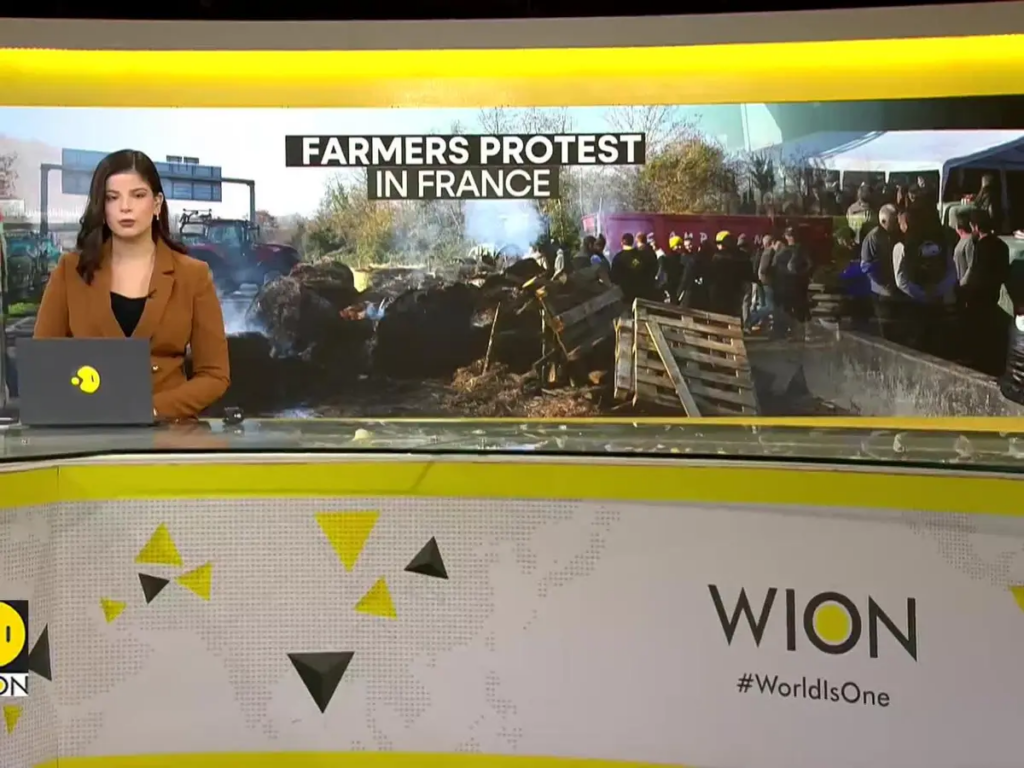
The recent French farmers protest captured global attention as their frustrations boiled over due to critical issues affecting the agricultural sector. Farmers took to the streets in droves, rallying against the impacts of lumpy skin disease on their cattle, and expressing discontent over the EU-Mercosur agreement, which threatens local farming practices. Additionally, the proposed fertilizer tax and amendments to the Common Agricultural Policy have further fueled the unrest among these agrarians, who feel their livelihoods are at stake. With agri-cooperatives across the EU rallying for support, the collective voice of French farmers has become an urgent plea for reform and attention from policymakers. This protest is not just about one issue; it embodies a broader struggle for the future of sustainable farming in Europe.
In recent days, farmers in France have staged mass protests, highlighting deep-seated concerns over several agricultural policies and international agreements. The discontent stems from various factors, including health crises affecting livestock and proposed changes in trade agreements, such as the controversial EU-Mercosur pact. Additionally, adjustments to the agricultural subsidy system and the introduction of a new fertilizer levies have only amplified the tensions felt by many in the farming community. Farmers have united under the banner of agri-cooperatives, seeking to amplify their voices and advocate for fair practices within an increasingly competitive market. This unrest signifies not just local dissatisfaction but reflects a more extensive struggle within the agricultural landscape of Europe.
French Farmers Protest: Voices of Discontent
On Thursday, the streets of Brussels echoed with the chants of French farmers protesting against multifaceted threats to their livelihood. This protest was ignited by the current outbreak of lumpy skin disease, which has led to widespread culling in cattle herds across France. Farmers articulated their frustrations not just over the disease but also regarding the EU-Mercosur agreement and the changes set to impact the Common Agricultural Policy—a central pillar of EU agricultural regulation. The anger was palpable as they gathered to demand accountability and to spotlight their challenges, illustrating a deep-seated fear of being undermined by large international agreements that do not prioritize local farmers’ welfare.
These protests represent more than a momentary outburst; they reflect a growing rift between the agrarian community and EU policymakers. The farmers’ movement, fueled by the support of agri-cooperatives in the EU, seeks to raise awareness around sustainable farming practices and the need for equitable trade agreements. Many farmers believe that current policies, including the proposed fertilizer tax, threaten their ability to produce food affordably while maintaining organic and sustainable practices. The clout of farmers in numbers has become a vital force in resisting regulations perceived as harmful.
Impact of Lumpy Skin Disease on French Agriculture
The outbreak of lumpy skin disease has become a significant hurdle for French agriculture, leading to not only economic losses but also emotional distress among farmers. The disease, which affects cattle, has prompted mass culling, generating fear about the livestock’s future and the sustainability of farming practices. Farmers argue that the government’s response has been inadequate and that more needs to be done to prevent such diseases from decimating herds. Additionally, they stress that international agreements must take into account the biosecurity measures needed to protect local agriculture.
Moreover, the implications of lumpy skin disease extend beyond immediate health concerns. They reverberate throughout the agricultural sector, affecting everything from milk and meat production to export opportunities. With the prospect of the EU-Mercosur agreement looming, which would open markets for products from South America, French farmers worry that they will be unable to compete if local regulations and health issues are not adequately addressed. Therefore, the need for a concerted effort to manage such diseases and create favorable trade conditions becomes critical.
EU-Mercosur Agreement: Consequences for French Farmers
The postponed signing of the EU-Mercosur agreement has become a hot-button issue within the farming community in France. Farmers argue that this proposed trade pact poses a threat to their livelihoods, as it may allow for competition from cheaper South American agricultural imports under less stringent regulations. This concern is intensified by the current challenges posed by lumpy skin disease; farmers feel that with their herds at risk, they cannot afford to see their market share eroded further by products that do not meet the same high standards they uphold.
In light of this uncertainty, the protests have become an essential platform for farmers to voice their demands for fair trade practices and robust support from the EU. The cancellation of the treaty’s signing is perceived as a temporary victory, yet many farmers recognize that the structural issues plaguing European agriculture need long-term solutions, including adjustments in the Common Agricultural Policy that can provide them with adequate support. Thus, the protests are not solely about immediate grievances but reflect a desire for systemic change that protects European farming against external pressures.
The Future of Common Agricultural Policy Amidst Protests
The farmer protest movement in France has reignited discussions around the Common Agricultural Policy (CAP), which plays a vital role in supporting sustainable farming and rural development across Europe. Farmers are calling for reforms that not only address current issues, such as disease outbreaks like lumpy skin disease but also adapt to the changing economic landscape influenced by globalization and trade agreements like the EU-Mercosur deal. Amidst their protests, they seek assurances that future policies will prioritize the health and safety of consumers while supporting farmers in their efforts to engage in environmentally sustainable practices.
Moreover, the CAP has historically provided financial support to farmers, but with tensions rising over new agricultural regulations and proposed taxes, many feel that these provisions may not be sufficient. As farmers rally together, their collective message is that they require robust and fair support systems that acknowledge the unique challenges posed by international competition and climate change. By amplifying their voices through protests, they aim to influence policymakers to uphold regulations that protect local agricultural interests while ensuring food security across Europe.
Resistance Against Proposed Fertilizer Tax
One of the significant focal points of the recent protests is the proposed new fertilizer tax, which many farmers believe could be detrimental to their operations. Farmers argue that this tax would impose an additional financial burden on already struggling farms, especially those affected by lumpy skin disease and adverse market conditions. They advocate for a more balanced approach that considers the diverse farming practices and the essential role of fertilizers in maintaining crop yields and soil health while transitioning towards sustainable practices.
In rejecting the proposed fertilizer tax, farmers emphasize the need for support mechanisms that would enable them to invest in environmentally friendly alternatives without jeopardizing their economic viability. The protests represent a collective stance against potential regulations that may disproportionately impact smaller farms and undermine the agricultural community’s capacity to adapt. By mobilizing in significant numbers, farmers underline their commitment to advocating for policies that foster sustainability while securing their livelihood.
Solidarity Among Agri-Cooperatives in the EU
The recent protests in Brussels showcased the unity and solidarity among agri-cooperatives across the EU, demonstrating that farmers are not isolated but rather part of a broader movement advocating for fair agricultural policies. Organizations like Copa-Cogeca have played a pivotal role in uniting voices of farmers and agri-cooperatives, ensuring that their concerns regarding the EU-Mercosur agreement and the Common Agricultural Policy are heard at higher echelons of power. This collaborative spirit highlights the importance of collective bargaining and advocacy in prioritizing agricultural interests.
As farmers navigate the complexities of international and domestic pressures, the role of agri-cooperatives becomes increasingly vital in promoting the need for sustainable practices and equitable trade agreements. These organizations serve not only as a platform for advocacy but also provide resources and networking opportunities that empower farmers to influence policy decisions effectively. The solidarity showcased during these protests is a testament to the resilience of the farming community in pursuing their rights and ensuring their voices are integral to agricultural policy-making in the EU.
Navigating the Challenges of European Agriculture
The ongoing challenges facing European agriculture are multifaceted, with farmers dealing with disease outbreaks, proposed taxes, and international agreements that could undermine their livelihood. As protests intensify, it becomes clear that farmers are not only pushing back against immediate threats but are also advocating for a long-term vision of sustainable agriculture. The future of farming in Europe hinges on addressing these interconnected issues while fostering an environment that allows both traditional and innovative agricultural practices to thrive.
Furthermore, the landscape of European agriculture is changing rapidly, with factors such as climate change, globalization, and technological advancements playing significant roles. Farmers advocate for policies that are flexible enough to adapt to these evolving conditions while ensuring food security for future generations. By participating in protests and speaking out, they aim to highlight their vital role in maintaining the agricultural fabric of the EU and the necessity for supportive measures to navigate these challenges.
Coping with Environmental Changes in Agriculture
With the increasing prevalence of environmental challenges such as climate change and disease outbreaks like lumpy skin disease, French farmers face an uphill battle in maintaining their agricultural practices. The urgency to adopt more resilient and eco-friendly farming methods is becoming paramount. Farmers are calling for policies that support research and development in sustainable agriculture and provide incentives to adopt new technologies that enhance productivity without compromising environmental integrity.
Navigating these changes requires a multifaceted approach, combining cooperation among farmers, agri-cooperatives, and policymakers. It is through collaboration that best practices can be identified and disseminated, ensuring that the agricultural community can adapt effectively to the changing climate. As protests unfold, the underlying message remains clear: the future of agriculture in Europe depends on collectively addressing these pressing environmental issues through informed policies and practices.
The Role of Policymakers in Supporting Farmers
As French farmers continue to protest against unfavorable conditions, the role of policymakers becomes increasingly critical. It is essential for decision-makers to recognize the unique challenges that local farmers face, especially concerning international agreements like EU-Mercosur and the implications of the proposed fertilizer tax. Engaging with farmers and understanding their perspectives is paramount to crafting policies that are equitable and beneficial for all stakeholders involved in agriculture.
Policymakers must also ensure that the strategies put forward are transparent and take into account the diversity of agricultural practices and the economic realities farmers grapple with daily. By fostering an environment of collaboration and dialogue, it is possible to create a strong framework that not only supports farmers’ needs but also promotes the sustainability goals set forth by the EU. The ongoing protests are a reminder of the essential need for cooperation between farmers and legislators to ensure the resilience and vitality of the agricultural sector.
Frequently Asked Questions
What triggered the recent French farmers protest related to lumpy skin disease?
The recent French farmers protest was primarily triggered by an outbreak of lumpy skin disease among cattle, which has led to the culling of infected herds. This health crisis intensified the discontent among farmers, as it highlighted their struggles with livestock diseases.
How is the EU-Mercosur agreement connected to the French farmers protest?
The EU-Mercosur agreement has sparked significant opposition among French farmers, who fear that the trade deal will undermine local agricultural standards and worsen their economic situation. The protest saw farmers demonstrating against its upcoming signing, which they believe could further harm their livelihoods.
What changes to the Common Agricultural Policy are farmers protesting?
Farmers are protesting proposed changes to the EU’s Common Agricultural Policy (CAP), which they argue could reduce their financial support and destabilize their income sources. They demand that CAP policies better protect local agriculture and ensure fair competition within the EU.
Is there a proposed fertilizer tax contributing to the French farmers protests?
Yes, a proposed new fertilizer tax has been a significant point of contention during the French farmers protests. Farmers argue that this tax would impose an additional financial burden on them, compounding the challenges they face with rising costs in agriculture.
What role do agri-cooperatives play in the French farmers protest?
Agri-cooperatives in the EU are actively involved in the French farmers protest, as they represent the collective voice of farmers. They are advocating for better policies and support from the EU, opposing measures that could threaten the sustainability of farming practices in France.
What was the impact of lumpy skin disease on the farmers’ protest in Belgium?
The outbreak of lumpy skin disease significantly impacted the farmers’ protest in Belgium, as it represented their immediate challenges. Farmers used this crisis to rally support against broader issues, including the EU-Mercosur agreement and changes to agricultural policies.
How did law enforcement respond to the farmers’ protest in Brussels?
In Brussels, law enforcement responded by significantly expanding the security area and deploying hundreds of police officers, including riot control units. Although the protest was peaceful for the majority of its duration, law enforcement intervened towards the end.
What was the turnout for the farmers’ protest in Belgium, and how does it reflect their concerns?
The turnout for the farmers’ protest in Belgium was reported to be about 10,000 participants, according to organizers, highlighting the widespread discontent among farmers regarding issues like lumpy skin disease, the EU-Mercosur agreement, and agricultural policy changes.
| Key Points | Details |
|---|---|
| Protest Movement | Intensified protests by French farmers over various issues including lumpy skin disease. |
| Lumpy Skin Disease | Outbreak among cattle leading to increased farmer discontent and herd culling. |
| EU-Mercosur Agreement | Farmers protested against the EU-Mercosur free trade agreement; its signing postponed. |
| Common Agricultural Policy | Opposition to changes in the EU’s agricultural policies. |
| Fertilizer Tax | Proposed new tax on fertilizers contributing to the protests. |
| Protests Scale | Demonstration in Brussels attracted approximately 10,000 participants according to organizers. |
| Law Enforcement Response | Peaceful protests were monitored by a large police presence; intervention occurred later. |
Summary
The French farmers protest has emerged as a significant movement, reflecting the discontent among agricultural workers over multiple pressing issues. The intensifying unrest is largely driven by factors such as lumpy skin disease affecting cattle, and opposition to EU trade agreements and agricultural policies. The postponement of the EU-Mercosur agreement amidst these protests highlights the farmers’ demands and concerns. This protest signifies not only a response to immediate agricultural challenges but also broader discontent with EU policies, making it clear that the fight for French farmers’ rights is ongoing and critical.