
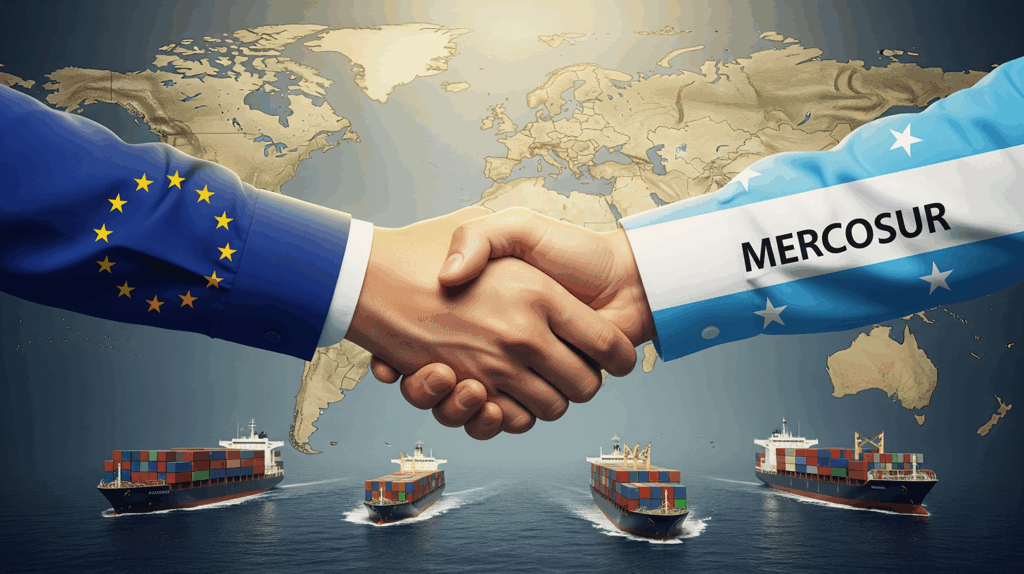
The EU-Mercosur deal has long been a topic of intense debate within European circles, particularly in France, where it represents both a diplomatic opportunity and a political minefield. As the European Union gears up to finalize this ambitious trade agreement with the Mercosur bloc, comprising Brazil, Argentina, Paraguay, and Uruguay, the implications for French agriculture remain contentious. French President Emmanuel Macron’s hopes of securing a favorable deal for domestic farmers have been met with significant pushback, leading to fears about possible repercussions for local markets. Despite the promise of enhanced trade relations and economic growth, concerns linger about the potential flooding of European markets with South American agricultural products. The recent tensions surrounding the France-Mercosur agreement highlight the complexities of EU trade negotiations and the delicate balance leaders must find in addressing both international partnerships and national interests.
The trade pact between the European Union and Mercosur presents an intricate web of challenges and opportunities for stakeholders involved. Also referred to as the Mercosur bloc, it encompasses four South American countries seeking enhanced commercial ties with Europe. As negotiations unfold, the ramifications for French agriculture and the broader EU market are under scrutiny, igniting a heated discourse among policymakers and constituents alike. With the Macron EU deal serving as a focal point for both support and dissent, it is imperative to consider the controversy that accompanies this high-stakes agreement. The implications of such an accord extend far beyond mere economic gain, delving into the heart of France’s agricultural identity and the future of European trade dynamics.
Understanding the EU-Mercosur Deal: A Diplomatic Challenge for France
The EU-Mercosur deal represents a significant culmination of 25 years of negotiations between the European Union and four South American countries: Brazil, Argentina, Paraguay, and Uruguay. As this trade agreement approaches its finalization, it has sparked intense debate in France regarding its implications for the agricultural sector. Despite the EU’s optimistic stance on the economic benefits this agreement promises, many in France remain skeptical, fearing a potential influx of agricultural products that could undermine local farmers. This skepticism has been fueled by political rhetoric as the Macron administration grapples with the fallout from a perceived betrayal of French agricultural interests.
The response of the Macron government to domestic concerns about the EU-Mercosur deal has been mixed at best. While attempts to secure concessions for French farmers were made, the urgency of finalizing the agreement overshadowed these efforts. As Italy’s support for the deal solidified, France found itself struggling to maintain a united opposition stance, casting doubt on its diplomatic strategy. As public sentiment grows increasingly wary, there is a distinct lack of effective communication from French leadership regarding the necessary adaptations and safeguards that should accompany such a deal, further deteriorating trust in government.
Impact of the EU-Mercosur Agreement on French Agriculture
The implications of the EU-Mercosur agreement for French agriculture are profound and complex. Opponents of the deal argue that it poses a significant threat to key sectors within the agricultural community by potentially flooding the market with cheaper imports, particularly beef and sugar, from South America. These fears have been exacerbated by the broader context of the agricultural crisis in France, which has left many farmers feeling vulnerable and unsupported. While the EU has placed strict import quotas on certain goods, the concerns linger around how these volumes will affect local prices and livelihoods.
Moreover, the worries surrounding environmental impacts and compliance controls have not been sufficiently addressed in the public discourse. Critics argue that the assurances surrounding the handling of imports from Mercosur countries lack transparency, leaving French farmers uncertain about the long-term viability of their products in a competitive marketplace. The public backlash not only reflects economic fears but also a deeper apprehension about food sovereignty and the identity of French agricultural practices amidst globalization. This growing discontent is a clear signal that the government needs to engage in better dialogue with stakeholders to navigate the complexities of this agreement.
Political Ramifications of the Mercosur Deal in France
The political fallout from the EU-Mercosur deal could have lasting effects on the French government and President Macron’s administration. With mounting opposition from within France and the looming threat of a crisis in the agricultural sector, the strategy employed by Macron may be seen as a miscalculation. The inability to unify the French political landscape against a common cause has raised questions about the direction of France’s foreign policy and its commitment to protecting national interests amidst global trade agreements. This critical juncture demands a reevaluation of how international partnerships, like that of the EU-Mercosur agreement, are pursued.
The confrontation between Macron’s vision for a robust European Union and the realities faced by domestic constituents creates a chasm that political adversaries are eager to exploit. With elections approaching, political parties are likely to capitalize on farmers’ grievances and the government’s perceived failures, making the discussion surrounding the Mercosur deal not just about trade, but about France’s position in Europe and the stability of the current administration. This ongoing discourse could significantly shape future EU trade negotiations, as France navigates its diplomatic relationships while trying to safeguard its agricultural integrity.
The Role of French Public Opinion in Trade Negotiations
French public opinion plays a pivotal role in shaping discussions around international trade agreements like the EU-Mercosur deal. The prevailing sentiment among citizens, particularly those in the agricultural sector, has been marked by skepticism and anxiety over economic impacts. Many French citizens express concerns about the potential for increased competition from South American imports, leading to calls for greater protection of local producers. As politicians harness these sentiments, public perception becomes a powerful tool in negotiating terms that reflect domestic needs and priorities.
In times like these, where EU trade negotiations are in flux, the French government must navigate these waters carefully to align the interests of its citizens with broader economic goals. Engaging the public through transparent dialogue and addressing specific concerns will be vital for garnering support. There’s also an opportunity here for the government to educate the populace on the economic potential of such agreements, thereby shifting the narrative towards a more constructive discourse. However, without adequate engagement and responses to complaints, public mistrust could hinder future negotiations and influence the effectiveness of France’s role within the EU.
Navigating the Controversies Surrounding the EU-Mercosur Agreement
The controversies surrounding the EU-Mercosur agreement have been amplified by the tensions between economic ambitions and environmental concerns. Critics highlight the potential for increased deforestation linked to agricultural expansion in Brazil, alongside the inadequate measures taken to ensure sustainable practices. As the EU aims to position itself as a leader in environmental standards, reconciling these values with trade agreements becomes a critical issue. The French public remains highly attuned to such contradictions, making it imperative for the government to advocate for rigorous environmental scrutinies in the negotiations.
Furthermore, the perceived imbalance of power between the EU and Mercosur countries stirs unease among the French populace. The belief that local farmers are at a disadvantage in this dynamic exacerbates fears of exploitation and economic decline. As various sectors of the French economy brace for potential shifts, the call for heightened scrutiny on sustainable practices and fair trade principles resonates strongly. Addressing these controversies head-on and establishing safeguards could help legitimize the EU-Mercosur agreement, turning potential backlash into a constructive dialogue around responsible trade.
Future Prospects of EU-Mercosur and Its Implications
Looking ahead, the future prospects of the EU-Mercosur agreement will largely determine the landscape of international trade relations for the European Union. As globalization continues to influence economic strategies, the success or failure of this agreement may signal broader trends in EU trade policy. If the negotiations conclude favorably, it could serve as a template for future agreements, bridging partnerships with Latin America and reinforcing the EU’s presence in global trade dynamics. On the other hand, a contentious outcome may lead to a reevaluation of how the EU engages with non-European trading partners.
For France, the repercussions of the EU-Mercosur deal could extend beyond agricultural concerns, influencing its diplomatic credibility and positioning within the EU framework. The commitment to uphold standards that benefit European farmers while maintaining open exchanges with global partners hangs in the balance. Thus, the ongoing dialogue surrounding the deal serves as a litmus test not only for trade negotiations but for political cohesiveness and economic resilience in the face of challenges posed by international market shifts.
Macron’s Leadership and the EU-Mercosur Debate
President Macron’s leadership is under scrutiny as the EU-Mercosur debate unfolds. His promise to protect French agricultural interests while engaging in international trade agreements has come into question, especially with dissent growing amongst farmers and political factions. The approach to the EU-Mercosur agreement highlights the delicate balance Macron must maintain—a feat that requires not only addressing the fears of domestic stakeholders but also crafting a vision that aligns with broader Europe-wide goals. Public trust is eroding, and failing to manage expectations could jeopardize his political future.
As Macron navigates this contentious issue, the discourse around the EU-Mercosur deal offers opportunities for reflection on leadership style and governance. A more inclusive approach that accounts for diverse agricultural voices and priorities could bolster support for trade agreements. The challenge lies in reframing the narrative that surrounds such deals, emphasizing their potential benefits while delivering tangible assistance to those who may suffer. Thus, engaging with the public’s concerns could reinvigorate confidence in Macron’s ability to steer French interests within the complex landscape of international trade.
Lessons Learned from the EU-Mercosur Negotiations
The EU-Mercosur negotiations provide critical lessons in diplomatic strategy and the importance of stakeholder engagement. As European leaders work to approach complex trade agreements, the realization that local sentiments must be addressed cannot be overstated. For France, the debate around the deal has spotlighted the necessity of preparing its agricultural sector for global competition while advocating for sustainable practices. By embracing transparency and fostering collaboration with farmers and constituents, the government can bolster support for future negotiations.
Furthermore, the broader implications of the EU-Mercosur example remind European governments that public perception influences policy outcomes in significant ways. If leaders wish to forge strong partnerships while navigating sensitivities within their own borders, proactive engagement and education are essential. As such, lessons from the EU-Mercosur discussions can enhance not only trade negotiations but also the public’s faith in the political process, setting a precedent for collaborative governance that bridges divides between international aspirations and local realities.
Frequently Asked Questions
What is the EU Mercosur deal and why is it significant?
The EU Mercosur deal represents a major trade agreement between the European Union and the Mercosur bloc, which includes Brazil, Argentina, Paraguay, and Uruguay. This deal, the result of nearly 25 years of negotiations, aims to enhance trade relations, create economic opportunities, and reinforce multilateralism between these regions. It’s significant due to its potential impact on European exports, particularly in sectors such as agriculture and food, amidst ongoing global trade tensions.
What are the main concerns regarding the France Mercosur agreement?
The primary concerns surrounding the France Mercosur agreement include its impact on French agriculture, specifically fears of increased competition from South American beef, chicken, and sugar exports. French farmers worry about the agreement’s potential to undermine local production standards, environmental regulations, and unfair trade practices. Additionally, unresolved issues regarding export compliance checks and environmental impacts have further fueled opposition amongst French stakeholders.
How does the EU trade negotiations affect the French agricultural sector?
The EU trade negotiations with the Mercosur bloc pose both challenges and opportunities for the French agricultural sector. On one hand, there is fear of an influx of less-regulated South American agricultural products competing with local goods, which could strain French farmers. On the other hand, proponents argue that the agreement could open new markets for French agricultural exports, provided that adequate protections and adjustment measures are implemented for affected sectors.
What role does Macron play in the EU Mercosur deal?
French President Emmanuel Macron plays a critical role in the EU Mercosur deal, as he has vocally opposed it due to concerns about its impact on French agriculture. His government sought a blocking minority during negotiations to address these issues, but ultimately, Italy’s support for the agreement undermined this effort. Macron’s management of the deal has been viewed as a diplomatic gamble that risks alienating farmers and affecting his political standing.
What are the implications of the Mercosur bloc controversy for the EU?
The Mercosur bloc controversy highlights the complexities of EU trade policy and the challenges of balancing domestic interests with international trade commitments. As France faces discontent from agricultural sectors, this controversy may weaken the EU’s negotiating position and its ability to pursue further trade agreements. Additionally, the situation underscores the need for the EU to clearly communicate the benefits of such agreements to avoid public backlash and achieve strategic autonomy in global trade.
What measures are proposed to address the concerns of French farmers about the EU Mercosur deal?
Measures to address the concerns of French farmers regarding the EU Mercosur deal include calls for stricter controls on compliance with export standards from South America, enhanced support for sectors negatively impacted by the agreement, and negotiations on safeguards to protect local production from surges in imports. French authorities are also urged to better articulate the potential benefits of the deal to mitigate misconceptions and apprehensions in the agricultural community.
How does the EU Mercosur deal fit into the broader context of global trade?
The EU Mercosur deal is part of a broader strategy by the EU to strengthen its position in an increasingly competitive global trade environment. With rising tariffs from the U.S. and growing Chinese exports, the EU seeks to establish strategic partnerships with Mercosur countries to bolster its economic influence, promote multilateralism, and ensure resource access. This trade agreement is seen as a crucial step in reaffirming the EU’s relevance in international trade negotiations.
| Key Point | Details |
|---|---|
| Finalization Date | January 9, 2026 after EU ambassadors meeting, formal signing on January 12. |
| Diplomatic Setback | France’s attempts to block the deal failed as Italy supported it. |
| Concerns of Farmers | French farmers worried about the impact of the deal on certain sectors. |
| Trade Quotas | Quotas limit South American imports to 1.5% of EU consumption. |
| Environmental Impact | Concerns about imports and environmental standards remain unaddressed. |
| Broader Context | EU needs partners like Mercosur amidst global economic changes. |
Summary
The EU Mercosur deal represents a significant turning point in international trade relations, drawing both support and criticism. As France navigates the final stages of this long-awaited agreement, it faces a complex web of domestic concerns and international pressures. The deal, which has taken nearly 25 years to negotiate, is not just about trade; it encapsulates the broader challenges of adapting to a changing global economic landscape. France’s inability to block the deal has highlighted vulnerabilities within its domestic political framework, especially relating to the agricultural sector. The path forward will require France to communicate effectively to its public about the benefits of this deal, particularly in the face of environmental and trade-related anxieties. Ultimately, the EU Mercosur deal symbolizes a crucial opportunity for the European Union to assert its strategic autonomy and build new partnerships in a rapidly evolving world.