
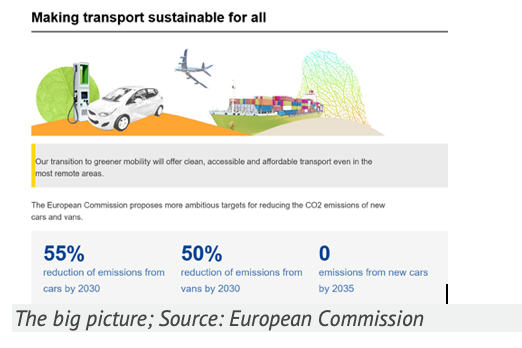
The European Commission’s recent proposal to ease the internal combustion engine ban has sparked significant controversy across the continent. Originally established with the aim of fostering a shift towards a more sustainable automotive sector, this EU ban on combustion engines is now under scrutiny as legislators consider relaxing regulations that were meant to drive investment in electric vehicle transition. With critical deadlines looming for carbon neutrality by 2050, policymakers are struggling to balance economic realities with environmental responsibilities. The decision allows for plug-in hybrid vehicles to remain on the market beyond 2035, which many experts argue could hinder the much-needed acceleration of the automotive industry’s investment in cleaner technologies. As Europe navigates these complex challenges, the implications of such policy changes on emissions reductions and the competitive landscape with global manufacturers will undoubtedly be closely monitored.
In a significant twist, the European Commission is reconsidering its approach towards the sales of new gasoline-fueled vehicles, a move that many view as a setback for the green agenda. However, this shift reflects a growing tension between the aspirations for sustainable transportation and the current challenges faced by the automotive sector. Terms like the transition to electric mobility are becoming increasingly pertinent as policymakers grapple with the implications of allowing continued sales of hybrid and older combustion models. As Europe pushes towards achieving its ambitious carbon neutrality goals, this regulatory change raises questions about the balance between stimulating the automotive market and the urgency of adopting electric alternatives. Ultimately, whether this strategy will revive investment or create a dependency on outdated technologies remains to be seen.
The Impact of the EU Ban on Combustion Engines on Electric Vehicle Transition
The recent shift in the European Commission’s stance on the ban of new internal combustion engine vehicles has raised concerns regarding the future of electric vehicles (EVs) across Europe. By allowing sales of plug-in hybrid vehicles post-2035, the European Union appears to ease the strict transition towards total carbon neutrality by 2050. This decision not only undermines the original goals established by the European Green Deal but also risks stalling the momentum necessary for a robust electric vehicle transition. Cadent investments in clean technologies may dwindle as automakers divert their focus back to combustion engines, impeding the overall automotive industry’s progress towards sustainability.
Moreover, by permitting hybrid vehicles to remain on the market beyond 2035, the EU unintentionally perpetuates a culture of half measures. This raises questions about the EU’s commitment to combatting climate change effectively. The electric vehicle transition is critically dependent on dedicated investments and innovations. If the automotive landscape continues to be dominated by transitional vehicles, the required infrastructure for full electrification, such as charging stations and battery production facilities, may not develop at the necessary pace, further complicating Europe’s path towards carbon neutrality.
Automotive Industry Investment: Challenges and Opportunities
The decision to relax the EU ban on combustion engines signifies a notable shift in the European automotive investment landscape. With the proposed allowances for plug-in hybrids, automakers might feel incentivized to invest less in innovative electric technologies and more in traditional vehicles that have been granted a reprieve. This could hinder the significant capital required for research, development, and manufacturing of fully electric vehicles, impeding progress in reducing CO2 emissions across the continent. As investment patterns shift, the automotive industry may face challenges in retaining market competitiveness against non-EU competitors, particularly as Chinese manufacturers continue to surge forward with their electric offerings.
Conversely, this landscape can also present opportunities if the focus shifts towards developing innovative solutions in the electric vehicle sector. If the EU can harness this transitional period to bolster investments in battery technology and infrastructure, it can create a solid foundation for future growth. Emphasizing automakers to pivot from hybrid solutions to truly electric technologies could position Europe as a leader in sustainable automotive practices and technology. By establishing supportive policies and incentives for innovation in clean technologies, the European Commission can facilitate much-needed investment in the sector.
The Case for Carbon Neutrality by 2050: Feasibility and Strategies
Achieving carbon neutrality by 2050 is an ambitious goal that requires unwavering political will and the cooperative effort of the automotive industry. The recent adjustments to the internal combustion engine ban threaten to undermine these efforts as they offer a pathway for continued reliance on fossil fuels through hybrid technologies. Rather than progressively transitioning to fully electric vehicles, the allowance for combustion engines could slow down the necessary adoption of cleaner alternatives, hindering the EU’s ability to meet its carbon neutrality targets. The imperative for clear and consistent policies is crucial in ensuring the automotive sector aligns its strategies with long-term sustainability goals.
To effectively navigate towards carbon neutrality, the EU needs to develop an integrated strategy that encompasses comprehensive investment in electric vehicle technologies, robust infrastructure development, and the promotion of consumer adoption. Supporting initiatives that incentivize the use of electric vehicles over hybrids, along with enhancing battery production capabilities and increasing the accessibility of charging stations, are fundamental to creating a conducive environment for a successful transition. A deterministic shift towards electric mobility will not only aid in achieving carbon neutrality but will also foster an automotive industry capable of competing globally.
Challenges Faced by the Automotive Sector Post-Pandemic
The European automotive sector is grappling with significant challenges as it emerges from the effects of the COVID-19 pandemic. With sales remaining below pre-pandemic levels and restructuring efforts gaining momentum, the industry’s resilience is being tested. The sector faces fierce competition, especially from Chinese automakers who have rapidly enhanced their position in the global market. The proposed relaxation of the internal combustion engine ban could divert crucial investments needed to restructure and innovate, limiting the sector’s ability to recover and adapt to changing consumer preferences for electric mobility.
Additionally, the sector’s dependency on technology advancements to rejuvenate sales and improve profitability is increasingly evident. As automakers struggle to adapt to an evolving market landscape, the opportunity to leap beyond traditional vehicles into fully electric solutions becomes imperative. By investing in technological innovation and restructuring operations towards sustainable practices, the automotive sector can reclaim its competitive edge while simultaneously addressing the pressing demands for environmental sustainability.
Electric Vehicles and the Future of the European Market
The shift towards electric vehicles is poised to reshape the European automotive market significantly. As traditional combustion engines give way to more environmentally friendly alternatives, market dynamics will evolve. The proposed amendments to the EU combustion engine ban could introduce a delay in this transition, allowing manufacturers to remain reliant on hybrids instead of fully committing to electric innovation. However, the demand for electric vehicles among consumers is surging, and addressing this demand through strategic investments in electric infrastructure will be essential for market stability and growth post-2035.
Furthermore, the willingness of consumers to embrace electric vehicles hinges on the availability of affordable options and sufficient charging facilities. As automakers evaluate their position in a transitioning market, the importance of not only producing electric vehicles but also ensuring they are accessible to the average consumer cannot be understated. By prioritizing this accessibility and enhancing their electric models, manufacturers can capitalize on an emerging market that promises sustainability, efficiency, and vibrant competition.
Navigating the Competitive Landscape: European Automakers vs. Chinese Industry
The current competitive landscape of the automotive industry has become critical, especially as European car manufacturers find themselves contending with the rapid advancements made by their Chinese counterparts. The easing of the EU ban on combustion engines could inadvertently complicate matters for European automakers striving to maintain their market position. While hybrid vehicles may seem like a short-term solution, they mask the urgent need for a full transition to electric powertrains that can keep pace with advancements in the Chinese automotive sector.
Chinese manufacturers have rapidly developed and marketed electric vehicles at competitive prices, making them formidable contenders in the global market. By delaying the transition to fully electric vehicles, the European automotive industry’s ability to compete effectively and innovate could be severely compromised. To confront this challenge, European automakers must swiftly pivot to electric vehicle production and leverage advanced technologies to enhance their offerings, thereby positioning themselves advantageously against rising competition from China.
Strategic Investments in Electric Vehicle Infrastructure
For the successful transition to electric vehicles, the development of a robust infrastructure is essential. Charging stations need to be widely available and accessible to facilitate consumer adoption of electric cars. The proposal allowing hybrids post-2035 could delay significant investments in this type of infrastructure, undermining the progress made towards electric vehicle integration. Investing in charging networks and ensuring interoperability among various manufacturers will be crucial for easing consumer worries about electric vehicle range and availability.
Furthermore, fostering public-private partnerships to fund these infrastructure projects could accelerate the transition to electric mobility. As Europe aims for carbon neutrality by 2050, the enhancement of charging facilities will not only support current electric vehicle owners but also encourage further adoption among potential consumers. A strategic focus on building a comprehensive charging ecosystem can ultimately determine the rate of transition in the European automotive market, guiding both manufacturers and consumers towards a sustainable future.
The Role of Policy in the Transition to Electric Mobility
Policies set forth by the European Commission will play a crucial role in guiding the automotive industry towards a sustainable future characterized by electric mobility. The initial proposition of banning internal combustion engines was a pivotal commitment to significantly reduce carbon emissions. However, the recent relaxation of this ban raises questions about the continuity and efficacy of policy directions. A clear and consistently enforced regulatory framework is essential to ensure manufacturers prioritize investment in electric technologies over hybrids, which can weaken long-term environmental goals.
Moreover, robust policies promoting electric vehicle adoption could harness incentives for consumers while ensuring manufacturers remain accountable for their carbon footprints. By aligning financial support with ambitious emissions reduction targets, the EU can create a system that not only encourages the shift to electric while strengthening its position against non-EU competitors. Effective policy implementation, combined with industry cooperation, will be key to achieving sustainability goals and fostering a thriving electric vehicle market.
Consumer Perception and the Adoption of Electric Vehicles
Understanding consumer perceptions is vital for ensuring the successful adoption of electric vehicles in Europe. Public awareness of the environmental benefits associated with electric mobility, coupled with a growing concern for climate change, positions electric vehicles favorably among eco-conscious consumers. However, misconceptions about the availability of charging infrastructure and the performance of electric vehicles continue to pose barriers to widespread acceptance. The way the industry addresses these concerns can significantly influence consumer decisions in the transitioning automotive market.
Furthermore, it is essential for automakers to actively participate in educational campaigns aimed at demystifying electric vehicles and providing accurate information about their advantages. Promoting real-life experiences and testimonials from electric vehicle owners can alleviate misunderstandings and help potential buyers feel more secure about their investments. As European manufacturers embark on their mission to lead the electric vehicle transition, fostering consumer trust and awareness will be crucial for a successful market transformation.
Frequently Asked Questions
What is the impact of the European Commission’s internal combustion engine ban on the automotive industry?
The European Commission’s internal combustion engine ban, initially set for 2035, aims to facilitate the transition towards carbon neutrality by 2050. However, recent relaxations allow sales of plug-in hybrid vehicles, potentially slowing down investment in fully electric vehicles. This rollback could undermine the incentives to innovate, jeopardizing Europe’s competitiveness against advancing global competitors, particularly from China.
How does the EU ban on combustion engines affect electric vehicle transition?
The EU ban on combustion engines is a critical component of the electric vehicle transition. By setting stringent targets for reducing CO2 emissions, it pushes automakers towards electric mobility. However, the recent decision to allow plug-in hybrids may delay the shift to fully electric vehicles, posing challenges in achieving the EU’s carbon neutrality objectives by 2050.
What changes are being proposed regarding plug-in hybrid vehicles under the internal combustion engine ban?
Under the revised proposals from the European Commission regarding the internal combustion engine ban, automakers would be permitted to continue selling plug-in hybrid vehicles alongside electric cars fitted with gasoline-powered range extenders. This change aims to provide relief to the automotive industry but may compromise the urgency of transitioning to fully electric models.
What are the criticisms of the European Commission’s decision to ease the internal combustion engine ban?
Critics argue that easing the internal combustion engine ban undermines the European Green Deal, delaying significant investments needed for the transition to carbon neutrality by 2050. It is seen as a retreat from ambitious climate goals and could hinder the European automotive industry’s competitiveness against rapidly advancing Chinese rivals.
How might the automotive industry invest in the future despite changes to the internal combustion engine ban?
Despite the changes to the internal combustion engine ban, the automotive industry can still invest in research and development for electric vehicles and innovative technologies. Establishing a new regulatory category for small electric vehicles could stimulate growth and provide a robust framework for operational efficiency, helping to ensure the success of the electric vehicle transition.
What are the implications of the European Commission’s internal combustion engine ban on carbon neutrality goals?
The European Commission’s internal combustion engine ban is a vital part of achieving carbon neutrality by 2050. However, relaxing this ban may dilute efforts to meet CO2 reduction targets, as it allows continued reliance on combustion technologies. A persistent shift towards electric vehicles is necessary to align with these environmental goals.
Is the European Commission’s easing of the internal combustion engine ban beneficial for consumers?
While easing the internal combustion engine ban may provide consumers with more vehicle choices, such as plug-in hybrids, it could hinder long-term benefits associated with fully electric vehicles. The shift towards electric mobility is essential for sustainable consumer options in the automotive market, as it aligns with broader environmental goals.
How does the backtracking on the internal combustion engine ban affect competition with Chinese automotive manufacturers?
The backtracking on the internal combustion engine ban may have negative effects on competition with Chinese automotive manufacturers. While allowing for plug-in hybrids provides temporary relief for European automakers, it risks lagging in electric vehicle innovation and market share, as Chinese companies aggressively market advanced electric solutions.
| Key Points |
|---|
| The European Commission proposes easing the ban on new internal combustion engine vehicle sales from 2035. |
| This decision could slow down investment needed for a rapid transition to electric vehicles. |
| Automakers would still be allowed to sell plug-in hybrid vehicles post-2035. |
| The target for CO2 reduction is lowered from 100% to 90% compared to 2021 levels. |
| Critics argue this move is the EU’s most significant environmental rollback in five years. |
| The car industry is struggling, trying to recover from the impacts of COVID-19 and competition from China. |
| The proposal still needs approval from EU member states and Parliament before it can be enacted. |
Summary
The European Commission’s proposal to ease the internal combustion engine ban reflects a hesitant approach to addressing the challenges facing the automotive industry. As the automotive sector grapples with competition and economic pressures, this adjustment may undermine long-term efforts towards sustainability. A robust strategy for electric vehicle adoption remains crucial to ensure Europe retains its competitive edge in the global market.