
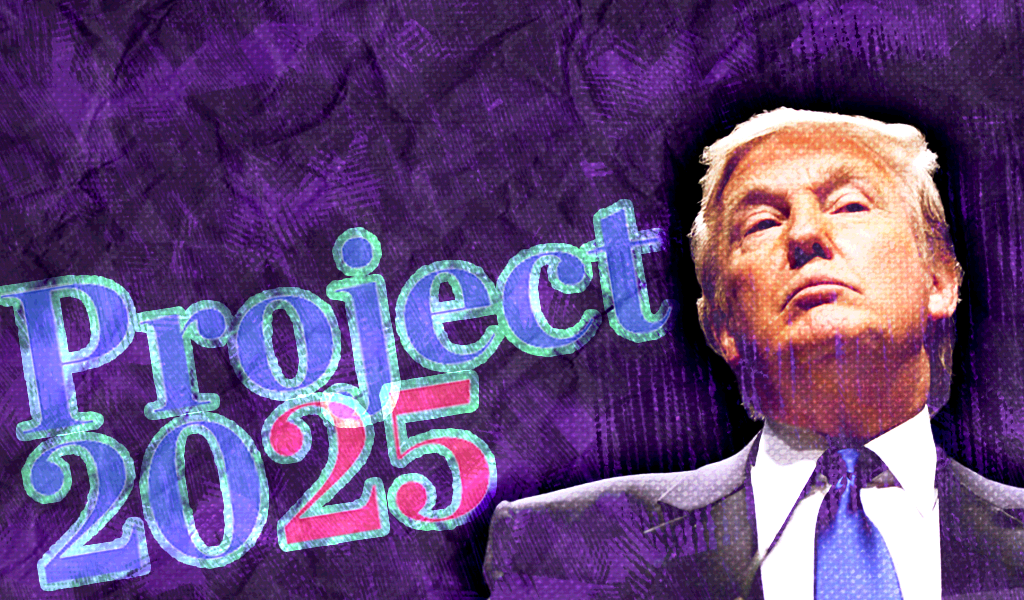
Project 2025 marks a pivotal initiative emerging from the Trump administration, aiming to redefine U.S. National Security and governance strategies. In this provocative moment in history, the Heritage Foundation has unveiled a comprehensive plan that embraces a resurgence of nationalism and conservative values. This robust 920-page report lays out a bold conservative strategy, detailing specific government actions to be enacted upon taking office in January 2025. Among its component strategies are proposed changes in areas such as immigration and energy policy, reflecting the administration’s commitment to hardline stances. As concerns grow around globalism and its perceived detriments, Project 2025 represents a clear response, calling for a fortified America ready to reclaim its power on the world stage.
The 2025 initiative serves as a significant blueprint for a renewed conservative governance style, reflecting the ideological shift favored by proponents of nationalism. This document, crafted by the Heritage Foundation, encapsulates the perspectives of numerous conservative experts, advocating for a strategy that prioritizes American interests across various sectors. Anticipated to influence a multitude of policy areas—from security and education to energy—this project symbolizes a strategic pivot both domestically and internationally. By actively confronting liberal ideologies that dominate the traditional narrative, this plan seeks to redefine societal values through a framework that emphasizes personal responsibility, family cohesion, and a robust national identity. With this comprehensive approach, the initiative aims to resonate deeply within the current political landscape, shaping future discussions on governance and nationalism.
Understanding Project 2025: Strategies for a New Conservative Era
Project 2025 represents a pivotal strategic blueprint from the Heritage Foundation aimed at reinstating conservative governance across various sectors in the United States. It was crafted in 2023 but roots much of its philosophy in the nationalist resurgence that characterized the Trump administration. The report serves not just as an operational manual for policy implementation but as a symbol of a broader conservative ideology that seeks to counteract what its authors describe as a detrimental globalist agenda. Outlined within its 920 pages are directives that emphasize the importance of traditional values and economic nationalism, prioritizing American interests above all else, and targeting perceived threats from liberal elites who advocate for unrestricted globalization.
The strategic nature of Project 2025 reinforces the need for a united conservative front. With specific proposals ranging from national security enhancements to immigration reforms, it provides a detailed framework for the new administration to follow upon assuming office in January 2025. This careful planning showcases the resolve of the Trump administration to reclaim its ideological dominance, leveraging the support of powerful donors and conservative intellectuals connected to the Heritage Foundation. By addressing critical issues such as family stability and local community support, Project 2025 aims to redefine conservative outreach while promoting an aggressive stance against global influences.
The Role of Nationalism in Trump’s Policy Framework
Nationalism has emerged as a central theme within the policy framework pushed by the Trump administration, particularly as articulated in Project 2025. This resurgence of nationalism is characterized by an unapologetic defense of American sovereignty, advocating for policies that protect domestic industries from foreign competition. The report explicitly criticizes globalist liberalism, which it frames as a threat to American jobs, culture, and even national security. The strategies outlined in Project 2025 make clear that if the U.S. is to restore its former glory, it must reject the liberal narrative around free trade and embrace a more isolationist approach fueled by tariffs and protectionist policies.
By promoting a nationalistic agenda, Project 2025 seeks to forge a new identity for conservatives who feel disillusioned by a rapidly changing global economy. It emphasizes the revival of traditional values rooted in hard work and familial structures, arguing that these are essential to mitigating issues such as ‘fatherlessness’ that disproportionately affect minority communities. Through this lens, nationalism is not just an ideological stance but a necessary response to the perceived social fragmentation caused by liberal policies. This strategic pivot marks a significant departure from previous bipartisan approaches, positioning the tax-cutting conservatives as staunch defenders of an ideological and cultural way of life.
Heritage Foundation: The Catalyst for Conservative Strategy
The Heritage Foundation plays an instrumental role in shaping the conservative landscape in America, particularly through initiatives like Project 2025. As one of Washington’s most prominent think tanks, it leverages research and policy proposals to influence Republican administrations and guide their legislative agendas. The foundation’s financial backing from corporations and influential billionaires enables it to mobilize resources effectively, positioning it as a powerhouse of conservative thought. The detailed strategies laid out in Project 2025 reflect extensive research conducted by some of the brightest conservative minds, illuminating the ideological underpinnings of the Trump administration’s policies.
The relationship between the Heritage Foundation and Project 2025 underscores the significance of well-organized conservative strategies in American politics. It illustrates the foundation’s commitment to fostering a long-term vision that extends beyond mere political expediency. The report’s directives on national security, education policy, and economic management are designed not only for immediate political gains but also to entrench conservative values deeply within the fabric of American governance. This strategic convergence of ideology and practice emphasizes the role of think tanks in crafting narratives that resonate with a base increasingly wary of liberal policies.
Confronting Globalist Liberals: Project 2025’s Target Audience
Project 2025 identifies globalist liberals as core adversaries in its quest to reshape the ideological landscape of American governance. These perceived foes are characterized as ineffectual and disconnected from the realities of daily American life, particularly in regards to job losses and community disenfranchisement. By framing globalist liberals as ‘useful idiots,’ the report attempts to galvanize conservative sentiment against policies that promote free trade and globalization, which the authors argue have led to deindustrialization and societal decay. This targeted approach seeks to consolidate conservative support by capitalizing on fears of economic instability and cultural erosion.
In confronting this ideological opponent, Project 2025 adopts an aggressive stance that encapsulates the Trump administration’s broader narrative of nationalism and protectionism. Through heavy tariffs and a commitment to fossil fuels, the Project champions a return to traditional American values that resonate with its base. This ideological battle is not just about policy; it’s about reclaiming American identity and strength in a world that seems to favor liberal ideals. The rhetoric surrounding globalist liberalism serves as a mobilizing tool, urging conservatives to unite and resist influences perceived as threats to their way of life.
Executive Orders: Implementing the Vision of Project 2025
One of the most significant aspects of Project 2025 is its emphasis on the use of executive orders as a means to swiftly implement its proposed policies. The report outlines a clear timetable and framework for these orders, designed to facilitate rapid changes across various government departments upon the next administration’s assumption of power. This mirrors the approach taken by Donald Trump during his presidency, where executive action became a hallmark of his administration’s strategy. By detailing the content and scheduling for these orders, Project 2025 exemplifies a determined effort to maintain momentum and decisively enact conservative reforms.
The reliance on executive orders points to a broader strategy among conservatives to bypass legislative gridlock and push through policies that may not have bipartisan support. This approach not only reflects a tactical maneuvering within the political arena but also highlights the urgency communicated in Project 2025 for addressing pressing national issues. As the next administration prepares to govern, these executive orders will serve as a critical tool for actualizing the conservative vision laid out by the Heritage Foundation, thereby reinforcing its influence in shaping the future of U.S. policy.
Promoting Family Values: A Central Theme in Project 2025
Family values form a cornerstone of the narrative advanced by Project 2025, which emphasizes the importance of traditional family structures in fostering a stable society. The report identifies ‘fatherlessness’ as a significant issue affecting many communities, particularly ethnic minorities, attributing it to the erosion of traditional gender roles championed by liberal ideologies. This commitment to promoting strong family units is not merely a cultural initiative; it reflects an overarching goal of restoring societal cohesion and resilience against perceived threats from globalization and liberalism.
By advocating for conservative family values, Project 2025 aims to position itself as a champion for those most affected by societal changes. This approach seeks to engage and mobilize voters who feel disenfranchised by contemporary narratives that challenge traditional roles. By framing these issues within the context of nationalistic pride and community support, the report helps to reinforce a conservative identity that resonates with many Americans. Thus, the promotion of family values becomes more than just a cultural argument; it is a strategic element of a broader conservative platform aimed at galvanizing grassroots support.
Cultural Hierarchies and Conservative Ideology
Cultural hierarchies are a recurring theme in Project 2025, which posits that the preservation of societal order relies on respecting traditional structures. The report contends that the promotion of cultural norms and values is essential for the stability and security of the nation. By emphasizing the importance of heritage and longstanding practices, the Trump administration seeks to instill pride and unity among its base, positioning itself as the protector of a way of life under threat from liberal ideologies. This commitment to cultural hierarchy reflects a concerted effort to redefine what it means to be American in a rapidly evolving world.
In advocating for these hierarchies, Project 2025 challenges the narratives propagated by liberal counterparts, which often seek to promote inclusivity at the expense of traditional values. This ideological clash is framed as a necessary defense of American identity, reinforcing the idea that the very fabric of society hinges on the appreciation of cultural values. By fostering a sense of pride in heritage and community, the report attempts to unify conservatives around a shared vision of America that resists the fragmentation introduced by globalization and liberal policies.
A Critical Look at U.S. National Security Strategy
The U.S. National Security Strategy articulated by the Trump administration in December 2023 echoes many themes present in Project 2025, particularly the emphasis on aggressive measures to fortify national interests. This alignment underscores the administration’s intention to prioritize national security through a lens of economic nationalism, advocating for policies that protect American jobs and industries from foreign competition. The integration of these principles into formal national security documents signals a shift in U.S. policy that could have profound implications for international relations and trade.
Moreover, this approach to national security distinguishes itself by criminalizing the perceived threats posed by globalist liberalism, often associating such policies with national vulnerability. Project 2025 and the associated national security strategy present a unified narrative that seeks to empower U.S. dominance on the global stage while simultaneously safeguarding domestic interests. This vision suggests a future where national security is tightly intertwined with a broader cultural and economic agenda, reflecting the core beliefs of the conservative movement as championed by the Trump administration.
Frequently Asked Questions
What is Project 2025 and how does it relate to the Trump administration?
Project 2025 is a comprehensive 920-page report published by the Heritage Foundation in 2023, outlining a strategic roadmap for the Trump administration’s expected policies starting January 2025. The project reflects a resurgence of nationalism and outlines key initiatives across various government departments, including national security, immigration, and trade.
How does Project 2025 address U.S. national security?
Project 2025 details a new National Security Strategy that significantly influences U.S. policies, resembling directives from the Trump administration. It emphasizes strong U.S. military power, strategic tariffs, and positioning against perceived globalist threats, thereby aiming to reshape national security paradigms.
What role does the Heritage Foundation play in Project 2025?
The Heritage Foundation is a pivotal conservative think tank that authored Project 2025. It brought together hundreds of experts to formulate strategies aimed at enhancing U.S. nationalism, influencing conservative policies, and laying groundwork for the Trump administration’s agenda.
What are the key elements of the conservative strategy outlined in Project 2025?
Project 2025’s conservative strategy focuses on reasserting U.S. power through tariffs, asset seizures, and promoting traditional values. It aims to combat globalist ideals and emphasizes the importance of family structures, hard work, and cultural hierarchies.
How does Project 2025 view globalization and liberal elites?
Project 2025 critiques globalization and portrays liberal elites as ‘globalist liberals’ who undermine local communities through free trade and globalization policies. The report advocates for a nationalist approach that counters these influences and protects American interests.
What are some of the specific policies proposed in Project 2025?
Specific policies proposed in Project 2025 include aggressive trade tariffs, increased fossil fuel production, and measures to strengthen family structures. It also includes guidelines for executive orders to be enacted by the Trump administration to implement these strategies promptly.
How does Project 2025 propose to deal with economic challenges in the U.S.?
Project 2025 addresses economic challenges by advocating for protectionist measures that prioritize American jobs and industries. The report suggests tariffs and domestic production initiatives to counteract deindustrialization and support local communities affected by globalization.
In what ways does Project 2025 address social issues in America?
Project 2025 tackles social issues by promoting traditional family values and addressing concerns about ‘fatherlessness.’ The report aligns these issues with a broader conservative narrative that criticizes liberal policies for destabilizing family structures in ethnic minority communities.
What impact has Project 2025 already had on Trump administration policies?
Since its release, many policies outlined in Project 2025 have influenced the Trump administration’s actions, with a noticeable consistency in implementing nationalist strategies across various sectors, reinforcing the ideological foundation laid out in the report.
How can we expect Project 2025 to shape the 2024 presidential campaign?
Project 2025 is anticipated to significantly shape the 2024 presidential campaign by framing the discourse around nationalism, security, and conservative family values, thereby guiding candidates aligned with the Trump administration’s vision and its electoral strategy.
| Key Points |
|---|
| In 2025, a backlash against extreme brutality and nationalism erupted, termed the Trump shock. |
| Project 2025, a 920-page report by the Heritage Foundation, outlines a strategy for governance starting January 2025. |
| The report highlights the political, technical, and ideological groundwork for Trump’s administration. |
| It identifies globalist liberals as key adversaries, criticizing their impact on local communities and job losses. |
| Proponents of Project 2025 emphasize U.S. power, tariffs, and fossil fuels to bolster national strength. |
| The report promotes traditional family values and condemns issues like ‘fatherlessness’ linked to liberal ideologies. |
Summary
Project 2025 plays a crucial role in understanding the shifting political landscape as evidenced by the Trump shock of 2025. This comprehensive report provides a roadmap for conservative governance and reflects a deep-seated anger against perceived liberal failures, especially relating to community and family values. By highlighting key ideological stances, Project 2025 offers insight into potential future policies and rallying points for further political mobilization.